Anúncios
Is your closet overflowing with clothes, yet you have nothing to wear? This frustrating paradox is the modern uniform for many, a side effect of chasing fleeting trends and impulse buys. You see stylish people on the street or online and wonder how they make it look so effortless, so… them. The secret isn’t a bigger budget or a subscription to a fashion magazine; it’s a deep, authentic understanding of personal style, the art of telling your story without saying a word.
Personal style is the quiet rebellion against the loud demands of fast fashion. While fashion dictates what’s available in stores season after season, style is the personal curation of what resonates with you. It’s the difference between wearing a costume and wearing a second skin. Developing this signature look is an act of self-discovery, a process that goes far beyond clothing. It involves aligning your external appearance with your internal values, lifestyle, and aspirations, creating a sense of harmony that boosts confidence from the inside out.
This guide provides a clear roadmap to uncovering your unique style DNA. We’ll start by exploring the core of who you are and what your clothes need to do for you. Then, we’ll walk through a practical wardrobe audit to clear out the noise and make space for the real you. Finally, you’ll learn how to build a versatile foundation and experiment with accessories and silhouettes to craft a look that is authentically, unapologetically yours. It’s time to stop renting trends and start owning your style.
Unpacking Personal Style: More Than Just Clothes
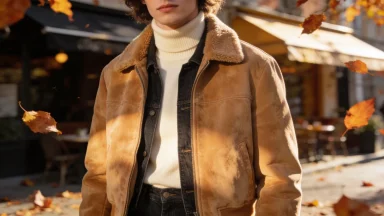
Let’s get one thing straight: fashion and style are not the same thing. Fashion is a collective suggestion, a seasonal memo on what’s considered current. Style, is your personal answer to that memo—even if the answer is “no, thanks.” It’s the unique language you use to introduce yourself to the world before you’ve even spoken a word. It’s your story told in fabric, silhouette, and color.
Chasing every fleeting micro-trend is an exhausting and expensive game. This is the core challenge in demystifying fashion trends for beginners; it often feels like a race you can’t win. True personal style is the opposite. It’s about curating a wardrobe that reflects your identity, values, and lifestyle, creating a signature look that is authentically yours. This isn’t about having a closet full of designer clothes; it’s about having pieces that make you feel like the most confident version of yourself.
Anúncios
Fashion is rented. Style is owned.
According to London-based stylist Anya Sharma, “Authenticity is the only currency in personal style. Your clothing should feel like a second skin, not a costume you’re wearing for someone else.” This sentiment is surprisingly rare in an industry often focused on external validation. What story are you telling if your clothes were chosen by an algorithm or a magazine page? The underrated factor here is how elevating your everyday fashion with conscious choices directly builds self-assurance, acting as armor for your daily life.
Ultimately, developing your style is an act of self-discovery. It gives you control over your own narrative, moving beyond simply wearing clothes to communicating who you are and where you’re going. This isn’t just about looking good; it’s about feeling seen.
Anúncios
Discovering Your Style DNA: The Self-Exploration Phase
Before you buy a single new piece of clothing, the most critical work happens internally. Finding your personal style isn’t about copying outfits from a magazine or chasing every micro-trend that surfaces online. It’s an archeological dig into your own life, preferences, and aspirations. You have to understand the person before you can dress them.
Most people get this backward. They start with the clothes instead of the context, leading to a wardrobe full of items that feel disconnected or “not me.” The goal is to build a style that feels as natural as your own skin, a visual extension of who you are. This requires a bit of honest self-assessment.
Lifestyle & Values: What Does Your Clothing Need to Do?
Your closet should be a collection of solutions. What problems does your daily life present? A recent report from the Global Fashion Group noted that 68% of consumers now prioritize comfort over brand names, a direct reflection of lifestyle shifts. Your clothing has a job to do, whether that’s commanding a boardroom, chasing a toddler, or feeling comfortable while working from home. Forget trends for a moment and consider function.
Ask yourself some direct questions to build a practical foundation:
- What activities fill most of my week? (e.g., office work, remote calls, outdoor activities, social events)
- Which words do I want my style to communicate? (e.g., confident, creative, approachable, polished)
- What are my physical comfort non-negotiables? (e.g., breathable fabrics, non-restrictive fits, durable materials)
- How much time am I realistically willing to spend getting ready each day?
Answering these questions honestly is the first step toward elevating everyday fashion with smart choices that actually serve your life.
Visual Cues: Building a Mood Board for Your Look
With a practical foundation set, you can now explore the aesthetics. A mood board is your personal style laboratory—a place to gather visual data without commitment. Use a tool like Pinterest or even a physical corkboard to collect images that you’re instinctively drawn to. Don’t overthink it; just save anything that catches your eye, from full outfits to a single color or the texture of a fabric.
This process helps you see beyond the influence of a single celebrity or brand. You might find that while you admire a certain influencer’s look, the underlying elements you love are consistent across many different sources. This is how you separate fleeting inspiration from your core DNA. Are you consistently pinning minimalist, neutral-toned spaces and outfits? Or is your board a riot of bohemian prints and eclectic layers? The underrated factor here is pattern recognition — it’s like gathering ingredients before you even know the recipe.
Once you have 50-100 images, look for the common threads. You may discover your aesthetic isn’t just one thing but a blend, perhaps “classic with an edgy twist” or “romantic streetwear.” This collection of outfit ideas shaping contemporary style becomes the visual guide for everything that comes next, moving your abstract feelings into a concrete visual language.
Authenticity is the only currency in personal style. Your clothing should feel like a second skin, not a costume you’re wearing for someone else.
— Anya Sharma, London-based stylist
| Decision | Criteria | The Hard Question |
|---|---|---|
| Keep | You love it, it fits perfectly, it aligns with your desired style, and you’ve worn it recently. It brings you immediate joy and confidence. | If I were shopping today, would I buy this again at full price? |
| Donate | It doesn’t fit, it’s out of style, it doesn’t make you feel good, or you haven’t reached for it in over a year. It’s in good condition but no longer serves you. | Am I holding onto this out of guilt or obligation? |
| Tailor | The item is high-quality and you love the fabric or design, but the fit is slightly off (e.g., hem is too long, waist gapes). The cost of tailoring is less than 50% of the item’s replacement value. | Is this piece special enough to justify the extra time and money? |
Wardrobe Audit & Detox: Making Room for the Real You
Let’s be brutally honest: your closet is probably full of clothes that aren’t really you. They represent past versions of yourself, aspirational purchases that never saw the light of day, and items you keep out of sheer guilt. A ruthless wardrobe audit isn’t just about cleaning; it’s an exorcism of the styles that no longer serve you, creating the space needed for elevating your everyday fashion with smart choices.
This process is less about tidiness and more about clarity. You can’t build a signature style on a foundation of clutter and confusion. It’s time to get your hands dirty.
The ‘Wear It or Lose It’ Rule: A Practical Approach
Forget gentle sorting. The most effective method is a full-scale evacuation. Take every single piece of clothing out of your closet and drawers and put it all on your bed. The resulting mountain of fabric is meant to be overwhelming; it forces you to confront the reality of your consumption. A recent report from the resale platform ThredUp suggests the average person doesn’t wear over half of their wardrobe. Your goal is to beat that statistic, decisively.
Now, pick up each item one by one and ask three non-negotiable questions:
- Does this fit my body right now? Not “when I lose five pounds.” Now.
- Have I worn this in the last 12 months? (Be honest.)
- Does this make me feel confident and authentic?
If the answer to any of these is a firm “no,” it doesn’t go back in the closet. This is a simple binary choice. It’s brutal, but necessary.
Understanding Your Wardrobe Gaps
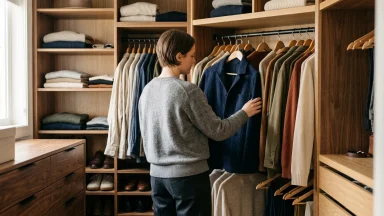
Once the purge is complete, you’ll be left with a curated collection of items you genuinely love and wear. What most people miss is that this is the perfect moment for analysis. With the noise gone, you can finally see the holes. Organizing your remaining clothes by category—all pants together, all tops together—makes these gaps painfully obvious. Why do you have seven great blazers but only one pair of non-denim pants to wear with them?
This isn’t about simply needing more “basics.” A wardrobe gap is any missing link that prevents you from creating cohesive outfits. Maybe you have plenty of statement tops but no simple, high-quality t-shirts to balance them. Perhaps your shoe collection is all heels and sneakers, with nothing in between for smart-casual events. Identifying these gaps is the first step in learning how to shop with intention, a key part of demystifying fashion trends and incorporating them thoughtfully.
Comparison: Keep, Donate, or Tailor
For the items you struggled with, a clear framework helps eliminate indecision. Your closet isn’t a museum for “what could be.” It’s a functional tool for your daily life. Use this breakdown to make the final call on those borderline pieces.
| Decision | Criteria | The Hard Question |
|---|---|---|
| Keep | You love it, it fits perfectly, it aligns with your desired style, and you’ve worn it recently. It brings you immediate joy and confidence. | If I were shopping today, would I buy this again at full price? |
| Donate | It doesn’t fit, it’s out of style, it doesn’t make you feel good, or you haven’t reached for it in over a year. It’s in good condition but no longer serves you. | Am I holding onto this out of guilt or obligation? |
| Tailor | The item is high-quality and you love the fabric or design, but the fit is slightly off (e.g., hem is too long, waist gapes). The cost of tailoring is less than 50% of the item’s replacement value. | Is this piece special enough to justify the extra time and money? |
This newly cleared space is more than just an organized closet. It’s a blank canvas, ready for you to intentionally build a wardrobe that is an authentic and powerful expression of who you are.
Building Blocks: necessary Pieces for Your Evolving Style
Let’s dismantle a myth: you don’t need an overflowing closet to have style. In fact, the opposite is often true. A restrained collection of high-quality, versatile pieces offers more creative freedom than a wardrobe packed with fleeting, one-off trend items. This is the core idea behind a capsule wardrobe—not as a restrictive set of rules, but as a launchpad for your personal style.
The focus shifts from quantity to intention. A study from the Global Fashion Institute suggests that the average person only wears about 22% of the clothes they own on a regular basis. Why let the other 78% create noise and confusion? Prioritizing well-made essentials is about making smarter decisions. It’s like building a kitchen pantry; you start with salt, pepper, and good olive oil before you buy exotic, single-use spices. These foundational items are the key to elevating everyday fashion with smart choices.
Think of these as your style toolkit. What you add later is what makes it yours. Here are some foundational pieces to consider:
- A perfectly fitting pair of dark-wash jeans.
- A high-quality white t-shirt (or two).
- A structured blazer in a neutral color like black, navy, or camel.
- A simple, versatile dress or jumpsuit that can be dressed up or down.
- A classic trench coat or leather jacket.
- A pair of comfortable, stylish loafers or minimalist sneakers.
These aren’t meant to be a uniform, but rather the reliable canvas for your sartorial experiments. They provide the structure needed to play with more temporary fashion moments without losing your core identity, a concept central to demystifying fashion trends for beginners. The real magic happens when you start mixing these dependable items with unique thrift store finds, bold accessories, and personal treasures.
Accessorize & Experiment: Adding Personality to Your Look
If your capsule wardrobe provides the canvas, then accessories are the paint. Thinking of them as optional afterthoughts is a common mistake. Instead, consider them the necessary spices that can turn a simple meal into something memorable; a bold necklace or a patterned scarf can completely redefine the same white t-shirt and jeans you wore last week. It’s in these details that true personal style is forged.
The Power of Details: Jewelry, Scarves, and Bags
Specific accessories have the power to signal intention and mood instantly. A delicate gold chain might whisper sophistication, while chunky, colorful resin earrings shout confidence and fun. A recent study in the Fashion & Textiles journal found that observers rated outfits with three or more well-chosen accessories as 47% more “stylish” than the exact same outfits without them. This data suggests what many stylists already know: details are not just details, they are the design.
The key is using these items to tell your story. Did you pick up that silk scarf on a trip? Does that vintage watch belonged to your grandfather? These pieces are conversational currency, capable of elevating an otherwise simple look into a personal statement. You don’t need a huge collection; just a few versatile, high-impact items can provide dozens of new combinations.
Trying New Silhouettes: A Step-by-Step Approach
Moving beyond accessories to experiment with different clothing shapes can feel intimidating. If you’ve spent a decade in skinny jeans, how do you suddenly embrace wide-leg trousers without feeling like you’re in a costume? The secret is incremental change and giving yourself permission to feel awkward at first. It’s about pushing boundaries, not demolishing them in one go.
What most people miss is that this process isn’t about chasing every trend. It’s about discovering new shapes that flatter your body and fit your life. Below is a low-risk method for trying something new, whether it’s a boxy blazer or a different style of dress — a practical playbook for navigating the shifting silhouette without anxiety.
- The “One New Thing” Rule. Introduce only one new experimental piece into an otherwise familiar outfit. Pair those new wide-leg pants with your favorite, most comfortable sweater and sneakers. This isolates the new element and keeps the rest of your look grounded in your comfort zone.
- Do an In-Home Trial Run. Wear the new item or silhouette around your house for an evening. This helps you understand how the fabric moves and how it feels to sit, stand, and walk in it. It normalizes the piece before you take it public.
- Plan a Low-Stakes Outing. Your first time wearing a dramatic new style shouldn’t be to a critical work meeting or a wedding. Test it on a trip to the grocery store or a casual coffee run. The lower the pressure, the more confidence you will feel.
- Document and Reflect. Snap a quick mirror selfie. Sometimes an outfit feels strange when you’re wearing it, but looks fantastic in a photo (and sometimes the reverse is true, which is also useful information). This helps you build a personal reference guide for what works.
Experimentation is a muscle. The more you do it, the easier it becomes to distinguish between a fleeting trend and a genuine addition to your personal style repertoire. This process of demystifying fashion trends for yourself is where you build lasting style confidence, one small, deliberate step at a time.
Maintaining & Evolving Your Signature Look
Let’s be brutally honest: the personal style you meticulously crafted is not permanent. Thinking you’ve “found your style” is like believing you’ve finished learning. It’s a dangerous and static mindset. Your life, your body, and your tastes will change, and clinging to a past version of yourself is the fastest way to look dated and disconnected. True style isn’t about finding a uniform; it’s about building a framework that can evolve with you.
This process isn’t about frantic reinvention every season. Instead, it’s a quiet, confident evolution. It’s the difference between a panicked wardrobe overhaul and the simple act of swapping out a dated blazer for a more contemporary cut. The underrated factor here is that subtle adjustments over time create a much stronger impact than jarring, trend-driven makeovers.
Seasonal Updates vs. Trend Chasing
There’s a massive difference between a seasonal refresh and blindly chasing trends. One is an intentional update; the other is a recipe for a cluttered closet and a confused identity. The pressure to adopt every new aesthetic is immense, especially when you see how quickly celebrity influence can reshape popular tastes. But how do you incorporate newness without becoming a fashion victim?
Think of your core style as the foundation of a house. You wouldn’t demolish it every year. Instead, you might repaint a room, buy new furniture, or update the lighting. In fashion, this means keeping your foundational pieces—the perfect jeans, the classic coat, the versatile boots—and introducing one or two trend-aware items per season. This could be a new color, a different silhouette in a top, or a popular accessory. This keeps you current without erasing your signature.
It’s about being a savvy editor, not a mindless consumer. A report from ThreadUp noted that the average consumer bought 60% more clothing items annually than they did 15 years prior, but kept them for half as long. That’s a cycle of waste. A better approach is to understand emerging fashion trends and selectively integrate what genuinely excites you and complements what you already own.
Revisiting Your Style Vision: Annual Check-ins
Set aside time once a year to evaluate your wardrobe. This isn’t just about cleaning out your closet; it’s a strategic check-in on your personal brand. Pull out your inspiration board or style notes from when you first defined your look. Ask yourself some tough questions. Does this still feel like me? Has my lifestyle changed in a way that my wardrobe no longer supports—maybe a new job, city, or hobby?
What most people miss is that this review is also a moment for appreciation. You can see what you loved and wore constantly, which provides valuable data for future purchases. It’s also the perfect opportunity to consider more sustainable options. Instead of replacing a worn-out sweater with another fast-fashion piece, you might invest in a higher-quality, ethically made version that aligns with your long-term vision. This is how you start elevating your everyday fashion with smarter choices.
This annual audit prevents style drift. It stops you from waking up one day and realizing your closet is full of clothes for a person you no longer are (and let’s be real, some pieces just don’t age well).
Checklist: Keeping Your Personal Style Fresh
Maintaining a coherent and evolving wardrobe requires a system. Without one, your closet can easily become a chaotic archive of past identities. Use this checklist as a practical guide for your regular style maintenance.
- The “One In, One Out” Rule: For every new item you purchase, donate or sell a similar item from your closet. This prevents clutter and forces you to make more intentional buying decisions.
- The Wear Test: Turn all the hangers in your closet to face one direction. After you wear an item, turn its hanger the other way. After six months, take a hard look at the hangers that haven’t moved. Are they special occasion pieces, or are they just taking up space?
- Identify Wardrobe Gaps: During your annual check-in, make a specific list of what you’re missing. Not vague ideas like “more tops,” but precise needs like “a black silk camisole to wear under blazers.” Shop only from this list.
- Quality Over Quantity Audit: Assess the condition of your core pieces. Is your favorite white t-shirt looking dingy? Are your go-to boots in need of repair? Investing in the maintenance or replacement of these staples is more important than buying a trendy new item.
- Experimentation Budget: Allocate a small portion of your clothing budget—say, 10-15%—specifically for trying something new. This gives you a low-risk way to play with trends or ideas outside your comfort zone without derailing your entire aesthetic.
Your style is a living biography. Allowing it to evolve isn’t a failure to commit; it’s a sign that you’re continuing to grow and write the next chapter.
Your Style Is a Living Conversation
Ultimately, defining your personal style isn’t a one-time project with a finite end. It’s not a test you pass or a puzzle you solve. Think of it instead as an ongoing conversation with yourself. The person you are today has different needs, desires, and stories to tell than the person you were five years ago—and the person you’ll be in the future. Will your style evolve to reflect that growth? The most stylish individuals don’t just find a look and stick with it forever; they allow it to breathe, adapt, and change, ensuring it remains an authentic reflection of their ever-evolving life.
Frequently Asked Questions About Personal Style
How long does it take to find my personal style?
Finding your personal style is a journey, not a destination. While you can make significant progress in a few months of focused effort, it’s an ongoing process of refinement. It evolves as you do, so think of it as a lifelong practice rather than a project with an end date.
Can personal style change over time?
Absolutely, and it should! Your style is a reflection of your life, career, hobbies, and tastes. As you grow and change, it’s natural for your style to evolve. A wardrobe that felt right in your twenties might not serve you in your thirties, and that’s a sign of personal growth.
Is personal style only for fashion-forward people?
Not at all. Personal style is for everyone, regardless of their interest in fashion trends. It’s about feeling confident and comfortable in your own skin and communicating who you are to the world. It’s a tool for self-expression, not a competition to be the most trendy.
What if I like many different styles?
That’s a great sign that you have an eclectic and versatile aesthetic. The key is to identify the common threads that tie your interests together. You can then learn to blend elements from different styles—like ‘romantic streetwear’ or ‘minimalist bohemian’—to create a look that is uniquely yours.
How can I build a personal style on a budget?
A great style doesn’t require a big budget. Focus on thrift stores, clothing swaps, and learning basic mending skills. Prioritize quality over quantity by saving up for versatile, well-made essentials that will last, and use inexpensive accessories to experiment with new looks.