Anúncios
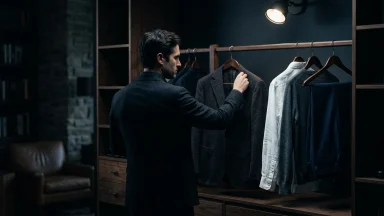
You stand before a closet packed with clothes, yet the familiar feeling washes over you: “I have nothing to wear.” This frustrating paradox isn’t a personal failing; it’s a symptom of navigating the dizzying world of modern fashion. Trends that seemed required just months ago now feel dated, and the pressure to keep up is relentless. It’s easy to feel like you’re perpetually one step behind, caught in a cycle of buying things you don’t love just to feel current.
The confusion is understandable. The traditional, top-down fashion hierarchy—where designers dictated trends from the runway—has been completely disrupted. Today, inspiration is a chaotic, multi-directional flow. A viral TikTok video, a street style photo from Seoul, or a celebrity’s casual outing can launch a global trend overnight. This acceleration, fueled by social media and fast fashion, leaves many feeling overwhelmed and disconnected from their own sense of style, turning the joy of dressing into a source of anxiety.
This article is your definitive playbook for taking back control. We will demystify the fashion cycle, showing you exactly where trends come from and who pulls the strings. You’ll learn a simple framework for decoding what’s currently in style—from major shifts in silhouettes to subtle changes in accessories. Most importantly, we’ll provide a practical, step-by-step guide for integrating these new ideas into your existing wardrobe, helping you cultivate a personal style that feels both modern and authentically you, without needing a complete overhaul every season.
Understanding the Fashion Cycle: Where Trends Come From
Let’s get one thing straight: you don’t just wake up and decide to wear something. The ideas in your wardrobe were planted there, often seasons before you ever saw them in a store. Understanding this process, the fashion cycle, isn’t about being a victim of consumerism; it’s about taking control and making the system work for you. It’s a controlled cascade.
From Runway to Realway: The Journey of a Trend
For decades, the path was straightforward. High-fashion designers in Paris, Milan, and New York showcased radical new ideas on the runway. These concepts were then interpreted by fashion editors, featured in magazines, and eventually diluted into more wearable versions for major retail chains. Think of it like a game of telephone; the original message from a designer like Miuccia Prada gets whispered down the line, changing slightly until it becomes the sweater you buy at Zara. The core idea—maybe a specific color, cut, or texture—remains, but it’s adapted for mass appeal.
Anúncios
But the internet blew that up. Today, the street is just as powerful as the runway. What most people miss is that inspiration now flows both ways. A unique look captured by a street style photographer in Copenhagen or a viral aesthetic from a TikTok video can send designers scrambling. This is the “Realway” effect, where emerging everyday fashion dictates what ends up in high-end collections. The journey of a trend is no longer a one-way street; it’s a chaotic, multi-lane highway.
Key Influencers: Who Drives What We Wear?
So who really pulls the strings? The cast of characters setting fashion trends has expanded dramatically. While legacy luxury houses still hold immense power, their influence is rivaled by a new set of kingmakers. A-list celebrities remain a potent force, capable of making an obscure brand sell out overnight with a single paparazzi shot. The right red carpet moment can define an entire season’s silhouette, a phenomenon explored in discussions about how celebrities drive current fashion.
Alongside them are social media creators, from mega-influencers to niche micro-bloggers. Their power isn’t just in exposure; it’s in relatability and context. They show people how to incorporate a difficult trend into a real-life wardrobe, offering practical outfit ideas that shape contemporary style. Surprisingly, data from a recent Business of Fashion analysis shows that fashion micro-influencers (those with under 50,000 followers) can generate an engagement rate nearly 60% higher than celebrity accounts. They build trust within a smaller community, making their recommendations feel more like advice from a stylish friend than a distant advertisement.
Anúncios
This creates a fascinating tension between curated, top-down design and organic, bottom-up style, leaving us to wonder which force will ultimately define the future wardrobe.
Decoding Current Fashion Trends: What to Look For
Once a trend leaves the runway, it splinters into a thousand different interpretations online and in stores. Filtering through this noise requires learning to spot patterns. Identifying current fashion trends isn’t about chasing every new item; it’s about recognizing shifts in four key areas: silhouettes, colors, fabrics, and accessories. Think of it as learning the grammar of style. Once you know the rules, you can write your own sentences.
These elements work together to define a particular moment in fashion. A change in one area often signals a coming change in another. Understanding this interplay is the first step to confidently navigating the world of trends instead of being overwhelmed by it.
The Big Picture: Silhouettes and Shapes
The most significant indicator of a changing trend is the silhouette, or the overall shape an outfit creates. This is the macro view of fashion. For years, skinny jeans defined the dominant silhouette, but a shift toward wide-leg trousers and looser fits completely altered how clothes drape on the body. This pendulum swing between form-fitting and oversized is a constant in fashion history.
Fashion forecasting agency WGSN reports that major silhouette trends often operate on an approximate 20-year cycle, which explains why the low-rise, relaxed shapes from the early 2000s are re-emerging. Are hemlines getting shorter? Are shoulder pads making jackets look boxy? Paying attention to the shifting silhouette is like watching the tide come in — it happens slowly, then all at once. The underrated factor here is how a new shape forces you to rethink your entire wardrobe’s proportions.
Color Palettes and Fabric Textures
While a single “Color of the Year” gets a lot of press, the reality is that several color stories are always happening simultaneously. Look for the dominant hues repeated across retail collections and influencer posts. You might see a surge in earthy tones like terracotta and olive green alongside a micro-trend of electric lime. It’s rarely just one thing.
Fabric is just as important as color. A simple white t-shirt feels entirely different in stiff, heavy cotton versus a slinky, sheer modal blend. Currently, textures are a huge focus, with everything from plush faux fur and classic tweed to technical nylon and delicate organza appearing in designs. According to Tagwalk, a fashion analytics firm, the use of sheer fabrics in runway collections increased by 38% last season. This shows a clear move toward layering and more delicate aesthetics — a far cry from the heavy, protective clothing popular just a short time ago.
Accessorizing Smart: The Finishing Touches
Accessories are the punctuation marks of an outfit. They are often the most accessible and affordable way to participate in a trend, and they provide clues to a fashion movement’s core identity. A minimalist outfit can be transformed by the “wrong” accessory, which is sometimes exactly the point.
Jewelry and Footwear Trends
Pay close attention to jewelry and shoes, as they tend to signal a trend’s longevity. For instance, a shift from delicate, layered gold necklaces to bold, sculptural silver pieces indicates a broader move toward cooler tones and more architectural shapes. What most people miss is how footwear can anchor an entire look to a specific era. The same dress can feel completely different with chunky “dad” sneakers versus pointed-toe stilettos.
This is where celebrity influence is undeniable. When a handful of influential figures are consistently photographed wearing a particular style of boot or handbag, it’s a strong signal. The data suggests a direct correlation; a study by the Fashion Institute of Technology found that a single celebrity endorsement can increase a product’s sales by more than 200%. This is why tracking how A-listers drive fashion provides such a clear look into what’s coming next.
Your Trend Spotting Checklist
Developing an eye for trends is a skill that improves with practice. Use this checklist as a guide next time you’re shopping or scrolling. It’s a simple way to start making smarter choices that align with your personal style.
- Silhouettes: What overall shapes are you seeing? Are clothes oversized and relaxed, or tailored and structured? Notice the waistline on pants and the width of shoulders on jackets.
- Colors: Which 2-3 colors appear repeatedly across different brands? Are they bright, muted, pastel, or neon?
- Fabrics: What textures are prominent? Is everything shiny and smooth (like satin), or rough and natural (like linen)?
- Accessories: Is jewelry chunky and statement-making or fine and delicate? Are handbags structured or slouchy?
- Details & Prints: Are there recurring motifs? (Think florals, animal prints, cut-outs, or specific types of hardware).
- Footwear: What is the dominant shoe style? Look at toe shapes, heel heights, and overall bulk.
This isn’t about buying into every trend you spot. Instead, it’s about building awareness so you can consciously choose which elements feel authentic to you and worth integrating into your wardrobe.
Trends are suggestions, not commands. The most stylish people I know might nod to a trend, but their foundation is always pure, authentic personal taste.
— Marcus Greene, Celebrity Stylist
| Trend Element | What to Look For |
|---|---|
| Silhouettes | The overall shape: oversized vs. tailored, waistline height, shoulder width. |
| Colors | The 2-3 dominant hues appearing across different brands and collections. |
| Fabrics | Prominent textures: smooth and shiny (satin) vs. natural and rough (linen). |
| Accessories | Jewelry style (chunky vs. delicate) and handbag structure (slouchy vs. rigid). |
| Details & Prints | Recurring motifs like florals, animal prints, cut-outs, or specific hardware. |
| Footwear | Dominant shoe styles, including toe shapes, heel heights, and overall bulk. |
Integrating Trends into Your Existing Wardrobe (Without a Full Overhaul)
Let’s be clear: the fashion industry wants you to believe your current closet is obsolete. This is a myth designed to sell more clothes. The reality is that most people don’t need a complete wardrobe replacement every season. In fact, a survey by The Business of Fashion suggests that a staggering 68% of consumers feel overwhelmed by the sheer speed of changing trends. The secret isn’t buying everything new; it’s about making surgical, intelligent additions.
You can achieve a modern look by introducing just a few key pieces. This is about being a savvy editor of your own style, not a mindless consumer.
Strategic Additions: Key Pieces to Buy
Instead of a shopping spree, think of this as a targeted mission. Your goal is to acquire a handful of items that can instantly update dozens of your existing outfits. Focus on pieces that reflect the current mood in fashion, such as a particular color, texture, or silhouette. For instance, adding a single waistcoat or a pair of wide-leg trousers can completely recontextualize the simple tops and sweaters you already own. What most people miss is that accessories often provide the biggest impact for the lowest cost.
A bold new belt, a uniquely shaped handbag, or a pair of statement earrings can make a classic jeans-and-tee combination feel completely current. This approach requires you to understand the difference between fleeting fads and more substantial trends. Here’s a simple breakdown to guide your choices:
| Trendy Purchase (Use Sparingly) | Timeless Investment (Builds Your Core) |
|---|---|
| Neon-colored acrylic jewelry | A classic leather belt |
| Micro-mini skirts | Well-fitting dark wash jeans |
| Feather-trimmed tops | A high-quality white t-shirt |
| Platform Crocs | Leather loafers or classic sneakers |
The Art of Mixing: Old with New
Once you have your few strategic new pieces, the real work begins. Think of your wardrobe like a pantry you’ve stocked over the years. Adding a trendy item is like introducing a new, exotic spice — you don’t throw out the salt and pepper. You use the new ingredient to give familiar recipes a fresh twist. Is that blazer from a few seasons ago feeling a bit dated? Try pairing it with trendy cargo pants to see how the shifting silhouette creates an entirely new look.
This high-low mix of old and new is the foundation of genuine personal style. It shows you understand fashion but aren’t a slave to it. Combine a new, oversized graphic tee with your favorite vintage pencil skirt. Wear those chunky new sneakers with the classic slip dress you’ve had for years. This is how you start elevating everyday fashion with smart choices rather than just copying a mannequin. It’s a visual conversation between where you’ve been and where you’re going, creating a look that is uniquely yours.

Finding Your Personal Style Within Current Trends
Let’s be direct: blindly copying runway looks is a recipe for disaster. True style isn’t about wearing a carbon copy of a magazine cover; it’s about translating ideas. The goal is to filter fashion trends through the lens of your own personality and body type, creating something uniquely you. This is where real confidence comes from. It’s a non-negotiable step.
Adapting a trend is like adding a new spice to a favorite recipe—you don’t throw out the whole dish. If oversized blazers are in, but you feel lost in them, try a structured blazer in a trendy color instead. What most people miss is that the silhouette is often more important than the specific item. According to a report by WGSN, a staggering 72% of shoppers return clothing that doesn’t align with their existing wardrobe, highlighting the disconnect between chasing fads and building a functional closet.
Celebrity stylist Marcus Greene puts it best: “Trends are suggestions, not commands. The most stylish people I know might nod to a trend, but their foundation is always pure, authentic personal taste.” This is the secret to elevating your everyday fashion. Does a particular cut make you feel powerful and comfortable — or are you just wearing it because everyone else is?
Ultimately, authenticity is your greatest accessory. Focus on pieces that honor your lifestyle and physical form. By cherry-picking elements from current fashion movements, you build a wardrobe that feels both modern and deeply personal, ensuring you never become a victim of the fleeting fashion cycle.
Common Fashion Trend Mistakes to Avoid
Jumping on a trend can feel exhilarating, but it’s a path littered with expensive missteps and identity crises. The biggest mistake isn’t buying the “wrong” thing; it’s buying for the wrong reasons. Many beginners fall into predictable traps that leave them with a closet full of clothes they don’t love and a lingering sense of dissatisfaction. This is where style wisdom begins.
The ‘Trend Overload’ Trap
Social media feeds are a firehose of micro-trends, each presented as the next necessary item. This creates a psychological pressure to keep up, leading to impulse buys you regret a month later. What most people miss is the manufactured urgency. A report from the Geneva Environment Network highlights that some fast fashion brands now release over 52 “micro-seasons” a year. That’s a new trend every single week.
The solution is to apply a filter. Instead of reacting to every new aesthetic—whether it’s the latest celebrity street style or a viral TikTok look—pause and ask a simple question. Does this align with who I am, or just who I see online? Often, the desire fades once the initial hype passes. Resisting this cycle is the first step toward true style autonomy.
Ignoring Fit and Comfort
You found the perfect viral cargo pants, but they pinch at the waist and feel awkward when you sit. This is a classic beginner error: prioritizing the trend over the actual garment. An ill-fitting piece of clothing, no matter how fashionable, will always look cheap and make you feel self-conscious. It’s like buying a beautiful sports car but having a driver’s seat that’s too small—the experience is ruined.
Never buy something with the idea that you’ll “make it work.” If it doesn’t fit your body comfortably in the dressing room, it won’t magically improve at home. Pay attention to fabric, cut, and how the item moves with you. A well-fitting, simple t-shirt will always look more stylish than an expensive, trendy, but poorly-fitting jacket. Comfort isn’t a bonus; it’s a requirement.
Losing Your Style Identity
When your wardrobe becomes a revolving door of trends, you risk erasing your own personality from the equation. Your closet starts to look like a generic mood board rather than a collection of pieces that tell your story. Are you actually a “coastal grandmother,” or did you just see it trending for three weeks? This is the most subtle but damaging mistake, as it disconnects you from the joy of self-expression.
Balancing Trends with Timeless Pieces
The key is not to shun trends entirely, but to treat them as accents. Think of your wardrobe as a foundation of timeless, high-quality staples—a great pair of jeans, a classic coat, versatile shoes. These are your core. Trends are the accessories you use to keep things interesting. Style consultant Maya Jimenez advises clients to follow a 70/30 rule: 70% of your wardrobe should be timeless cornerstones, while 30% can be dedicated to exploring trends. This approach ensures you’re always anchored in your personal style while still elevating your everyday fashion with fresh elements.
Pros and Cons: Fast Fashion vs. Thoughtful Buys
Navigating the ethics and economics of fashion is complex, especially for beginners. Fast fashion offers an accessible entry point to experiment with the shifting silhouette of women’s trends without a huge financial commitment. The low price point allows you to try a look and decide if it’s for you. The obvious downside is the environmental impact and questionable labor practices that keep those prices so low. the quality is often so poor that the garment may only last a few wears—a terrible cost-per-wear ratio.
Thoughtful buys, prioritize longevity. This could mean investing in a sustainable brand or simply buying a well-made piece from any retailer that you know will last for years. The initial cost is higher, which can be a barrier. the cost-per-wear often ends up being significantly lower over time. The challenge here is making the right choice, as a higher price tag doesn’t automatically guarantee quality or timelessness. It demands more research and a clearer understanding of your own needs before you swipe your card. Ultimately, a balanced approach—using fast fashion sparingly for risky trends and investing in pieces you’ll love for years—is a practical strategy for navigating current fashion trends without falling into a cycle of waste and regret.
Building a Sustainable Trend-Conscious Wardrobe
Let’s be blunt: chasing every micro-trend is a fool’s errand that leaves you with a closet full of regrets and an empty bank account. The antidote isn’t to ignore style, but to get smarter about it. Conscious consumption means choosing quality over quantity, a philosophy that directly counters the fast fashion model. According to a report from the Boston Consulting Group, the average person wears an item just seven times before discarding it. You can do better.
The key is building a capsule wardrobe. This involves curating a small collection of versatile, high-quality essentials that can be mixed and matched. Think of it as your style’s starting lineup. Start by investing in timeless pieces like a well-made trench coat, perfect-fit denim, and neutral knitwear. These items form a solid base, allowing you to elevate your everyday fashion with smart choices rather than a total overhaul each season.
From there, you can sprinkle in trend-forward items. A single statement blouse reflecting the latest shifting silhouettes or a unique accessory can update your entire look without waste. Prioritize fabric and fit above all else. This strategic approach ensures your wardrobe is not only stylish but also ethical and enduring, ready for whatever comes next.
Beyond the Trend Cycle: The Future of Your Wardrobe
Having decoded the mechanics of fashion trends, the ultimate question isn’t “What should I wear next season?” but rather, “What do I want my clothes to say about me?” Understanding the system isn’t about becoming a better consumer; it’s about becoming a more conscious creator of your own identity. As fashion becomes more decentralized and personal, the most enduring style won’t be found on a runway or a social media feed, but in the confident choices you make for yourself. What happens when you stop chasing trends and start using them as a language to tell your own unique story?
Frequently Asked Questions About Fashion Trends
How often do fashion trends change?
Major trends, like silhouettes, often operate on long 10-20 year cycles. micro-trends and color fads, fueled by social media, can appear and disappear in a matter of weeks or months. This creates a fast-paced environment where the key is to distinguish between lasting shifts and fleeting moments.
What’s the difference between a trend and a classic?
A trend is a style that is popular for a specific period, reflecting the current mood in fashion. A classic is a timeless piece that transcends trends, such as a trench coat or a quality white t-shirt. Classics form the foundation of a wardrobe, while trends are the accents you add to feel modern.
How can I find out what’s currently trending in fashion?
Observe what’s prominent in retail stores, fashion magazines, and popular style blogs. Social media platforms like TikTok and Instagram are powerful tools for seeing what aesthetics and specific items are gaining traction in real-time. Also, pay attention to what influencers and celebrities are consistently wearing.
Is it okay to not follow fashion trends?
Absolutely. True personal style is about wearing what makes you feel confident and comfortable, not chasing every new fad. Many stylish people ignore most trends and focus on a signature look built around classic pieces. The goal is to use trends as inspiration, not as a set of rules you must follow.
How do I know if a trend will suit me?
Consider your body shape, lifestyle, and personal taste. A trend might not work if it’s uncomfortable for your daily activities or doesn’t align with your personality. Before buying, ask yourself: “Does this make me feel like the best version of myself?” and “Can I mix this with at least three items I already own?”