Anúncios
The endless scroll of social media can feel like a fashion fever dream. Micro-trends, cores, and fleeting aesthetics flash across our screens, promising relevance but often delivering little more than digital noise. It’s a relentless cycle that can make understanding women’s fashion feel like trying to catch smoke, leaving you wondering which styles are worth investing in and which are destined for next month’s donation pile. Have you ever felt that the moment you buy into a trend, it’s already over?
The key is learning to distinguish between a momentary fad and a genuine style evolution. Fads are often item-driven and disposable, like a specific color of handbag that’s everywhere for a season. True trends, are idea-driven. They represent broader cultural currents, reflecting societal moods, solving practical problems, or offering a fresh perspective on femininity. These are the shifts that have real staying power, influencing silhouettes, color palettes, and our overall attitude towards getting dressed for years, not just weeks.
This article cuts through the hype to provide a clear guide to the significant movements shaping fashion right now. We’ll dissect the key silhouettes dominating the scene, from defiantly relaxed fits to sharply structured tailoring. We will also explore the mood-boosting color palettes and unapologetic prints making a statement. Finally, we’ll break down how accessories are telling the main story and examine the undeniable influence of sustainability, helping you build a wardrobe that is not only stylish but also intentional and enduring.
Beyond the Hype: Identifying Genuine Style Shifts
Let’s be honest: most of what flashes across your feed isn’t a real trend. It’s just digital noise, a fleeting aesthetic designed for clicks, not closets. The constant churn of micro-fads can make navigating women’s fashion feel like trying to catch smoke. But beneath the surface-level hype, genuine shifts in style are taking place, redefining silhouettes and attitudes for seasons to come. The real challenge is learning to see them.
Distinguishing a momentary fad from a legitimate style evolution requires looking past the immediate spectacle. According to fashion analyst Marina Petrova from WGSN, “A fad is an item; a trend is an idea. A neon green handbag might be a fad, but the broader movement towards vibrant, expressive accessories is the actual trend.” What most people miss is this underlying cultural current. Is a new style solving a problem, reflecting a societal mood, or offering a fresh perspective on femininity? If the answer is yes, you’re likely looking at something with staying power.
Anúncios
Recent data from the Business of Fashion suggests that nearly 78% of viral “cores” and aesthetics fail to translate into significant retail sales beyond a single quarter. This highlights the disposable nature of many so-called trends.
Spotting these changes is less about chasing novelty and more about understanding the bigger picture of navigating current fashion trends. It’s the difference between a one-hit-wonder and a genre-defining album. While fleeting fads can be fun, building a lasting wardrobe means investing in the larger movements that shape our contemporary outfit ideas and signal a true change in the style zeitgeist.
Key Silhouettes and Fabrics Dominating the Scene
Forget everything you thought you knew about flattering fits. The current landscape of women’s fashion is a battleground of proportions, where designers are aggressively playing with volume and form. This isn’t just about choosing a dress; it’s about choosing a statement. The most compelling outfit ideas shaping contemporary style are born from this tension between opposing shapes.
Anúncios
From Relaxed Fits to Structured Forms: The New Proportions
The dominant narrative is one of duality. On one side, you have the continuation of relaxed, almost defiantly oversized silhouettes. Think wide-leg trousers that pool at the ankle and dropped-shoulder coats that envelop the wearer. This aesthetic prioritizes comfort and a certain nonchalant power. It’s a direct rebellion against decades of restrictive clothing.
But swinging in the other direction is a fierce return to structure. Sharp-shouldered blazers, cinched-waist dresses, and corset-inspired bodices are reclaiming their space in the modern wardrobe. What most people miss is that this isn’t about returning to old-fashioned ideals. Instead, it’s about using tailoring to create architectural, powerful shapes that celebrate the body’s form on its own terms. According to a recent report from Edited, a retail market intelligence firm, the sell-out rate for “structured blazers” increased by 27% compared to the previous season, signaling a strong commercial appetite for tailoring.
This creates a fascinating style choice for the modern woman. Do you embrace the flow or the form?
| Classic Silhouette | Trending Counterpart |
|---|---|
| Skinny Jeans | Barrel-Leg or Horseshoe Jeans |
| Fitted Sheath Dress | Voluminous A-Line or Tent Dress |
| Standard Trench Coat | Exaggerated “Maxi” Trench |
| Fitted Crewneck Sweater | Oversized, Textured Knit |
Sensory Appeal: Exploring Trending Textures and Materials
Beyond shape, the feel of a garment is becoming just as important as its look. There’s a clear move towards fabrics that engage the senses — a trend heavily influenced by the style evolutions seen on red carpets. Sheer organzas, delicate pointelle knits, and high-shine liquid satins are being used in unexpected ways, often layered to create depth and intrigue. Choosing a fabric is now like picking a finish for a wall; the texture completely changes the experience of the color and form.
At the same time, cozy, tactile materials like bouclé, brushed alpaca, and plush faux fur are being elevated from simple winter staples to year-round statement pieces. The underrated factor here is how these textures provide a sense of comfort and security in clothing that still looks incredibly chic. It’s a way to feel good and look powerful simultaneously, a core principle in elevating your everyday fashion choices. The future of fabric isn’t just about what you see, but what you can’t help but want to touch.
The curated ear is about telling a story through small, individual pieces that build a larger, cohesive aesthetic.
— Dr. Anjali Mehta, Gemological Institute of America
| Trend Category | Key Movement | How to Incorporate It |
|---|---|---|
| Silhouettes | Duality of Relaxed vs. Structured | Try barrel-leg jeans for a relaxed feel or add a sharp-shouldered blazer to define your shape. |
| Colors & Prints | Dopamine Dressing & Bold Graphics | Introduce a single, saturated piece like a ‘radiant red’ sweater or mix graphic patterns with neutral basics. |
| Accessories | Sculptural Forms & Statement Jewelry | Opt for a bag with an unusual geometric shape or choose one pair of oversized, artistic earrings. |
| Footwear | Comfort-First Avant-Garde | Invest in chunky loafers or embellished ballet flats that merge high style with practical wearability. |
| Core Principle | Sustainable & Circular Fashion | Prioritize quality over quantity, explore secondhand options, and support brands with transparent practices. |
Color Palettes and Prints: What’s Making a Statement
Forget the quiet safety of beige and gray. The current color story in women’s fashion is a full-blown psychological operation, built on saturated, mood-boosting hues. It’s a direct rebellion against subtlety, with designers embracing what’s been termed “dopamine dressing.” According to the Pantone Color Institute, searches for shades like cyber lime and radiant red have increased by over 60% in design queries. This isn’t just about looking good; it’s about manufacturing a feeling on demand.
On the streets, these statement colors are styled with an almost defiant confidence. Think a head-to-toe fuchsia suit or a brilliant orange trench coat thrown over simple denim. But is this just a fleeting reaction, or a permanent shift in how we use color to communicate? The data suggests these current fashion trends are more than a momentary flash, reflecting a deeper desire for optimism and visibility.
Prints are following a similar, unapologetic path.
Polite, retiring florals have been sidelined in favor of bold, almost chaotic graphics and distorted animal prints. Mixing these patterns—a practice once considered a fashion faux pas—is now a key part of creating interesting outfit ideas shaping contemporary style. It’s like a visual form of jazz; the notes might seem dissonant at first, but they come together in an unexpectedly harmonious way. The underrated factor here is the texture, which adds another layer to the visual noise.
This embrace of visual intensity suggests a collective move toward more audacious self-expression, where clothing becomes less about fitting in and more about being seen.
Accessorizing the Future: Bags, Shoes, and Jewelry
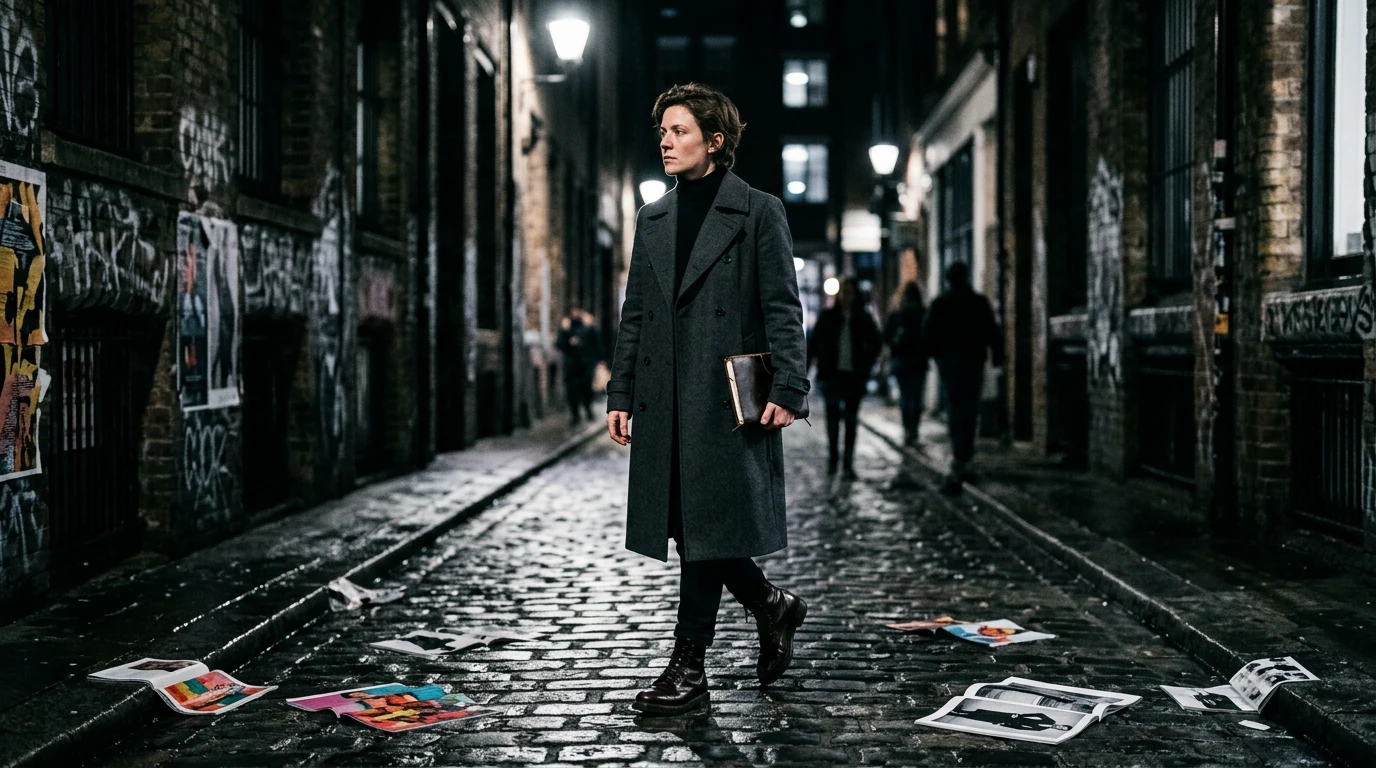
An outfit without accessories is like a sentence without punctuation. It might communicate the basics, but it lacks nuance, personality, and impact. While bold colors and patterns set the mood, it is the strategic choice of a bag, shoe, or piece of jewelry that defines a look. These items are no longer afterthoughts; they are the primary storytellers in modern personal style, often holding more sway than the garments themselves.
The right accessories have the power to completely recontextualize an outfit. A simple slip dress can be edgy with combat boots, elegant with strappy sandals, or professional with pointed-toe loafers. This is where the real fashion game is played.
The Statement Bag: More Than Just a Carryall
Forget the purely functional totes of yesterday. Today’s most coveted bags are sculptural, architectural, and unapologetically bold. We’re seeing a surge in bags with unusual geometries—crescents, trapezoids, and asymmetrical forms—that act as wearable art. According to a recent report from Business of Fashion, online searches for “sculptural bags” increased by an astonishing 63% over the last two quarters, indicating a clear shift away from conventional silhouettes. What’s driving this change? It seems to be a collective desire for items that spark conversation.
Oversized carryalls and impossibly tiny micro-bags also continue their reign, creating a playful tension in scale. The choice between them often says more about the wearer’s agenda for the day (or night) than anything else. A massive tote suggests a day of productivity, while a bag that barely holds a credit card signals pure, unadulterated fun. These pieces are key for anyone looking to understand outfit ideas shaping contemporary style.
Footwear: Comfort Meets Avant-Garde
The long-standing battle between comfort and high style in footwear seems to have reached a surprising truce. Designers are infusing everyday comfort staples with avant-garde details, resulting in shoes that are both practical and visually compelling. Think chunky loafers with exaggerated lug soles, ballet flats adorned with heavy-duty hardware, and sneakers that feature deconstructed, futuristic paneling. It’s a direct response to a lifestyle that demands versatility.
The data suggests this isn’t just a fleeting moment. A consumer survey by the Footwear Distributors and Retailers of America found that 71% of women now prioritize comfort over brand name when purchasing shoes. But why does this feel so revolutionary now? Perhaps it’s because comfort is no longer synonymous with being unadorned. Sculptural heels that look like gallery pieces—but are surprisingly stable—and embellished sandals prove you can have both stability and spectacle. This evolution is a key part of the emerging everyday fashion trends we’re tracking.
Jewelry and Embellishments: Small Details, Big Impact
Jewelry has polarized into two distinct camps: delicate, personal layering and oversized, commanding statements. The space in between has all but vanished. Your approach to adornment now sends a clear signal about your aesthetic intentions, whether through a whisper of gold on your collarbone or a chandelier earring that grazes your shoulder. The choice itself is the statement.
Layering Techniques for Necklaces and Bracelets
The art of layering is about creating curated chaos. It’s not about just throwing on every chain you own; it’s a deliberate practice of mixing textures, lengths, and weights to create a look that feels personal and collected over time. Think of it like arranging throw pillows on a couch—you need a variety of sizes and textures to make it look inviting, not just messy. A common strategy involves starting with a delicate choker, adding a mid-length pendant, and finishing with a longer, simple chain.
For bracelets, the same logic applies. Mixing a sleek metal cuff with a beaded bracelet and a delicate chain creates a rich tapestry of textures on your wrist. This is one of the most accessible ways of elevating your everyday outfits with minimal investment.
Earrings: From Minimalist to Maximalist
On one end of the spectrum is the “curated ear.” This minimalist trend involves multiple, tiny piercings adorned with a mix of small hoops, studs, and cuffs to create a subtle constellation on the earlobe and cartilage. Jewelry expert Dr. Anjali Mehta of the Gemological Institute of America explains, “The curated ear is about telling a story through small, individual pieces that build a larger, cohesive aesthetic.” It’s a long-term commitment to a highly personalized style.
Conversely, the maximalist approach favors one hero piece. We’re seeing a return of dramatic, shoulder-dusting earrings and large, sculptural metal shapes that serve as the focal point of an entire look. These aren’t just accessories; they are the main event, often allowing for a much simpler outfit. The tension between these two extremes is what makes accessorizing so compelling right now, offering a path for every type of style expression.
Sustainable and Ethical Fashion: A Growing Influence
The conversation around women’s fashion is getting louder, and it’s not just about hemlines or color palettes. A serious reckoning is underway, forcing brands and consumers to confront the industry’s environmental and human cost. For too long, the cycle of disposable clothing has dominated, but the data suggests a significant pivot. A report from the Boston Consulting Group revealed that over 70% of frequent shoppers prefer brands that demonstrate clear sustainable practices, signaling a powerful shift in consumer priorities.
This isn’t just about feeling good; it’s about demanding better. The allure of the five-dollar t-shirt is fading as more people question its true price. Who made it? What happens when it’s thrown away after three washes? The answers are often uncomfortable, pushing a growing movement toward conscious consumerism and what many call “slow fashion.” It’s a underlying change in how we perceive value, moving from quantity to quality and longevity.
The Rise of Eco-Conscious Materials
One of the most visible changes is happening at the fiber level. Designers are moving beyond traditional cotton and polyester, exploring a range of eco-friendly clothing materials that reduce water usage, chemical treatments, and waste. Materials like TENCEL™ Lyocell (derived from sustainably sourced wood pulp), organic linen, and recycled polyesters are becoming mainstream. These aren’t just niche fabrics anymore; they are central to the emerging trends in everyday fashion.
But are all “eco” materials created equal? Not exactly. The challenge lies in navigating the marketing spin — or greenwashing — to find genuinely sustainable options. A brand might tout a shirt made from recycled plastic bottles, which sounds great, but the production process itself could still be incredibly energy-intensive. ethical sourcing requires transparency across the entire supply chain, a standard that separates the committed brands from the opportunistic ones.
Circular Fashion: Extending the Lifecycle of Garments
The most sustainable garment is the one that already exists. This simple idea is the engine behind the circular fashion movement, which aims to eliminate waste by keeping clothes in use for as long as possible. Think of it less like a straight line from factory to landfill and more like a continuous loop. This is where concepts like clothing rental services, high-end consignment platforms like The RealReal, and brand-sponsored repair programs come into play.
This directly confronts the fast-fashion model, which relies on rapid production and disposal. Slow fashion, in contrast, champions well-made pieces designed to last for years, not weeks. The trade-off is stark: fast fashion offers instant gratification and trend access at a low price, while slow fashion requires a higher initial investment and a more deliberate approach to building a wardrobe. Making smart choices to elevate your style now involves weighing cost-per-wear against the initial price tag.
Ultimately, this movement redefines ownership. Your closet could soon contain a mix of purchased staples, rented statement pieces, and pre-loved vintage finds, creating a more dynamic and less wasteful personal style. The focus shifts from “newness” to “uniqueness,” a change that could permanently alter the fashion landscape.
Personalizing Trends: Making It Your Own
The endless parade of women’s fashion trends can feel like a mandate. One season demands minimalist neutrals, the next explodes with neon and exaggerated shapes. But blindly following these shifts is a surefire way to lose your sartorial identity—and drain your bank account. The real art lies not in adopting every new look, but in selectively filtering trends through the lens of your own personal style. It’s about being trend-aware, not trend-driven.
Understanding Your Style Core
Before you can effectively integrate newness, you must understand your foundation. Your style core is the collection of silhouettes, colors, and aesthetics that you consistently gravitate toward and feel most confident in. These are the pieces that make you feel like yourself. Think about it: are you always reaching for tailored blazers, or do you feel best in soft, bohemian dresses? A recent study from the London College of Fashion found that 72% of women reported higher levels of daily confidence when wearing outfits that reflected their core identity over trend-focused items. Identifying this core requires a bit of introspection. Look at your most-worn items and ask why you love them. Perhaps you’ll find that your personal uniform is built around classic denim, silk blouses, and leather ankle boots. Knowing this allows you to see trends as potential enhancements, not replacements. This foundation is required for elevating everyday fashion with smart choices that feel authentic to you. Your style core is your anchor in the fast-moving sea of fashion.
Strategic Trend Integration: A Step-by-Step Guide
Adopting a trend is like adding a new spice to a beloved recipe; you don’t discard the whole dish, you just add a new layer of flavor. A strategic approach prevents your wardrobe from becoming a chaotic mix of disconnected fads. The goal is to sprinkle in modern elements that keep your look fresh without erasing your signature. This requires a methodical eye.
1. Identify Your Key Pieces
Start by auditing your closet. Pull out the 5-10 items you wear most often—your “hero” pieces. This could be a perfect-fitting pair of jeans, a versatile trench coat, or a go-to black dress. These items are the backbone of your wardrobe. Once you’ve identified them, you can more easily see how a new trend, like a bold color or a specific sleeve style, could pair with what you already own and love. This step grounds your choices in practicality.
2. Start Small: Accessories First
The lowest-risk, highest-impact way to test a trend is through accessories. If vibrant, saturated colors are in vogue, you don’t need to buy a head-to-toe fuchsia suit. Instead, experiment with a brightly colored handbag, a pair of statement earrings, or a silk scarf. Accessories are relatively inexpensive and provide a powerful update. What most people miss is that a simple accessory can completely change the vibe of a classic outfit, making it feel current without a major commitment. It’s a powerful way to engage with emerging everyday fashion trends on your own terms.
Mixing High-End with High-Street
Achieving a unique look often involves the clever art of mixing investment pieces with more affordable, trend-led items. This “high-low” dressing strategy is a favorite of stylists and fashion editors for a reason. It creates an outfit that looks expensive and personal, rather than like a single page from a store catalog. The key is knowing where to spend and where to save. Celebrity stylist Anya Chen explains, “Invest in items with longevity and classic appeal—think a beautifully crafted leather jacket or a designer handbag. Then, use high-street or fast-fashion retailers for the trendy pieces that may only last a season or two.” A well-made blazer paired with a trendy, inexpensive top and your favorite jeans is a perfect example of this principle in action. This approach respects both your budget and the influence that celebrities drive in current fashion trends through their own high-low combinations. It ensures your wardrobe evolves, but the core quality remains intact.
The Ultimate Trend: Curated Intentionality
As we move forward, it’s clear that the most significant trend in women’s fashion isn’t a particular garment, color, or silhouette. Instead, it’s a underlying shift in mindset from passive consumption to active curation. The real style statement is no longer found in having the newest item, but in the thoughtful process of choosing what to acquire, what to keep, and what to pass on. It’s about seeing your wardrobe as a personal collection, edited with intention.
Whether you’re drawn to a powerful structured blazer, a vibrant pop of color, or a beautifully crafted vintage piece, the underlying principle is the same: conscious choice. The future of personal style is less about what you have and more about the stories behind what you’ve chosen to keep. So, the next time you consider adding to your closet, perhaps the most important question to ask isn’t “Is this in style?” but rather, “Does this belong in my story?”
Frequently Asked Questions
What are the most significant emerging trends in women’s fashion right now?
The most significant trends involve a play on proportions, with both oversized, relaxed silhouettes and sharply structured tailoring being popular. We’re also seeing a rise in ‘dopamine dressing’ with bold, saturated colors, the use of sculptural accessories as focal points, and a major emphasis on sustainable materials and circular fashion principles.
How can I incorporate new fashion trends into my existing wardrobe without overspending?
Focus on accessories like a statement bag, unique shoes, or bold jewelry, as they can update many outfits at a lower cost. Thrifting or shopping secondhand is another excellent way to experiment with trends affordably. Finally, invest in one versatile, high-quality trend piece, like a structured blazer, that can elevate dozens of your existing looks.
Are there any specific colors or prints that are particularly popular in current women’s fashion?
Yes, vibrant, mood-boosting colors are central to the current aesthetic, with shades like ‘cyber lime’ and ‘radiant red’ gaining significant traction. In prints, bold and chaotic graphics, along with distorted or unconventional animal prints, are favored over more traditional, delicate patterns like small florals.
What role does sustainability play in today’s women’s fashion trends?
Sustainability plays a massive and growing role, influencing both designers and consumers. It has fueled the rise of eco-conscious materials, the popularity of thrifting and resale (circular fashion), and a general shift in focus from quantity to quality and longevity. Consumers are increasingly demanding transparency and ethical production from brands.
How often do women’s fashion trends change, and how can I stay updated?
Micro-trends and fads can change weekly, but major style shifts in silhouettes and ideologies happen more slowly, often over several seasons or years. To stay updated on meaningful changes, follow reputable industry analysts and publications rather than just social media feeds. Observing street style in major cities can also provide clues to genuine, emerging trends.