Anúncios
The endless scroll for outfit ideas can feel like a full-time job. Once dictated by the glossy pages of a monthly magazine, style inspiration now arrives as a relentless digital firehose, blasting everything from celebrity street style to niche TikTok aesthetics directly into our feeds. This constant stream of newness promises endless creativity but often delivers a sense of overwhelming pressure. How can anyone keep up when trends seem to burn out before you can even add them to your cart?
This acceleration isn’t just in our heads; it reflects a underlying shift in how fashion operates. The traditional top-down model, where designers dictate seasonal looks, has been replaced by a more chaotic, democratic dialogue. A recent consumer report found that over 70% of young shoppers now turn to social media as their primary source for style discovery. This has empowered individual creators and democratized style, turning it from a set of rules to follow into a collaborative art form. The challenge is no longer finding inspiration, but filtering it.
This guide is designed to be your filter. We will move beyond simply showcasing what’s new and instead explore the ‘why’ behind the most compelling looks of the moment. We’ll dissect the key silhouettes and fabric innovations that define modern dressing, decode the color palettes and patterns that bring an outfit to life, and provide a clear, step-by-step strategy for integrating these ideas into your wardrobe. The goal is to help you build a closet that feels both current and authentically you.
The Evolution of ‘Outfit Ideas’: What’s Trending Now?
Gone are the days when outfit ideas were dictated solely by glossy magazines and seasonal runway shows. The modern style conversation is a fast-moving, digital dialogue shaped more by cultural moments and individual creators than by legacy fashion houses. This shift reflects a much deeper change in how we consume and interpret clothing. The rules have changed.
Inspiration now comes from everywhere, all at once.
Anúncios
The data confirms this pivot away from traditional sources. A recent consumer report from the NPD Group found that a staggering 72% of shoppers under 30 now cite social media platforms as their primary source for discovering new looks. What does this digital-first approach mean for personal style? It means the lifecycle of a trend is shorter, and the influence of tastemakers — from A-list stars to niche micro-influencers — is more direct than ever, profoundly shaping how celebrities drive current fashion trends.
What many people miss is how this democratizes style, turning it from a top-down decree into a collaborative process. Finding your look is less about buying a pre-packaged aesthetic and more about assembling pieces that feel authentic. It’s like cooking a meal; instead of following a rigid recipe from a famous chef, you’re grabbing ingredients from a global pantry based on your own taste. This has led to a major focus on redefining everyday fashion for personal expression rather than just following prescribed norms.
This constant flow of information creates an exciting but sometimes overwhelming environment for anyone trying to put together a great outfit. The challenge is no longer finding inspiration, but learning how to filter it and effectively navigate the fast-paced world of current fashion trends to build a wardrobe that lasts.
Anúncios
Key Silhouettes & Fabric Innovations Driving Modern Looks
The architecture of an outfit is no longer just about the brand on the tag; it’s increasingly defined by its shape and the very threads it’s woven from. Modern outfit ideas are built on a foundation of surprising silhouettes and advanced textiles that prioritize both comfort and a conscious mindset. This shift changes everything about how we approach getting dressed.
The Rise of Deconstructed & Oversized Forms
There’s a clear move away from the restrictive, body-hugging styles that dominated fashion for decades. Instead, designers and consumers are embracing modern silhouettes like oversized blazers, wide-leg trousers, and drop-shoulder tops that offer a sense of freedom and fluidity. This isn’t just about comfort — though that’s a huge part of it — it’s about playing with proportion to create a look that feels both powerful and effortlessly cool. These pieces are versatile, easily transitioning between seasons and occasions.
This trend is reflected in hard data. According to a Business of Fashion analysis, online searches for “baggy jeans” and “oversized shirting” have increased by a staggering 110% in the last couple of years. It’s a direct response to a collective desire for clothing that adapts to our lives, not the other way around. The underrated factor here is how these shapes challenge traditional notions of gendered clothing, creating a more inclusive style vocabulary for everyone.
Think of it as swapping a tiny, decorative clutch for a functional, stylish tote bag. The focus has shifted from pure, sometimes impractical, aesthetics to a smarter blend of form and real-world utility. Is it just about being cozy, or is this a subtle rebellion against the high-maintenance fashion standards of the past? I suspect it’s a bit of both.
Textile Tech: Blending Comfort with Consciousness
Alongside new shapes, innovative fabrics are completely changing the game. The materials we wear are becoming smarter, softer, and more sustainable. We’re seeing a surge in plant-derived fabrics like Tencel™ Lyocell, which is known for its silky feel and closed-loop production process, alongside high-performance recycled polyesters that appear in everything from activewear to outerwear. These advancements are key to elevating everyday fashion with smart choices that feel as good as they look.
Making a choice now involves weighing factors beyond simple appearance. The conversation around sustainable fashion has pushed material origins and end-of-life impact to the forefront. For instance, the Textile Exchange reports that recycled polyester currently makes up about 15% of the total polyester market, a figure that showcases a significant industry shift. every material comes with its own set of trade-offs, a complex balance sheet of pros and cons for both the wearer and the planet.
| Fabric Type | Pros | Cons |
|---|---|---|
| Conventional Cotton | Affordable, breathable, familiar feel. | High water and pesticide consumption. |
| Tencel™ / Lyocell | Silky texture, moisture-wicking, produced in a closed-loop system that recycles water. | Higher price point, can be more delicate. |
| Virgin Polyester | Durable, wrinkle-resistant, inexpensive. | Fossil fuel-based, sheds microplastics when washed, not biodegradable. |
| Recycled Polyester (rPET) | Reduces plastic waste from landfills, lower carbon footprint than virgin polyester. | Recycling process is energy-intensive; still sheds microplastics. |
The tension between performance, aesthetics, and sustainability is the central challenge in navigating current fashion trends. Future outfits will likely feature even more unusual fabric blends and silhouettes that continue to push boundaries, forcing us to constantly redefine what we expect from our clothes.
Shoppers who purchase one ‘hero’ item per season report 62% higher satisfaction with their wardrobe than those who buy multiple fast-fashion pieces.
— Fashion Retail Academy Report
| Fabric Type | Pros | Cons |
|---|---|---|
| Conventional Cotton | Affordable, breathable, familiar feel. | High water and pesticide consumption. |
| Tencel™ / Lyocell | Silky texture, moisture-wicking, produced in a closed-loop system that recycles water. | Higher price point, can be more delicate. |
| Virgin Polyester | Durable, wrinkle-resistant, inexpensive. | Fossil fuel-based, sheds microplastics when washed, not biodegradable. |
| Recycled Polyester (rPET) | Reduces plastic waste from landfills, lower carbon footprint than virgin polyester. | Recycling process is energy-intensive; still sheds microplastics. |
Color Palettes & Pattern Play: Defining the Aesthetic of the Moment
While silhouette and material create the foundation of an outfit, color and pattern provide its personality. Currently, a fascinating duality defines the most compelling outfit ideas. On one hand, we see a grounding in nature with earthy palettes of terracotta, olive green, and warm beige offering a sense of calm. Juxtaposed against this are hyper-digital hues—think electric lime and saturated cerulean blue—that bring a bold, screen-inspired energy to dressing.
Fashion forecasting agencies confirm this trend. A recent WGSN report noted that shades like Apricot Crush and Digital Lavender are seeing significant adoption in designer collections. This movement is often accelerated by what we see on screen and the red carpet, a clear example of the influence celebrity women have on fashion. When a star embraces a specific color, it almost instantly translates into mainstream style.
The spirit of experimentation extends deeply into patterns, where the old rules of coordination no longer apply. Mixing prints is now a hallmark of a confident wardrobe. But how do you combine a bold leopard spot with a classic Breton stripe without creating a visual clash? The process is surprisingly like making a good salad—you need a solid base, a few interesting ingredients, and a unifying dressing to tie it all together.
That unifying element is almost always a shared color.
For instance, pairing a navy-and-white striped shirt with a floral skirt works beautifully if the navy from the stripe is also present in the floral pattern. This common color acts as a visual bridge, making the combination feel intentional rather than accidental. Mastering these small but effective techniques is a key part of elevating everyday fashion with smart choices. The underrated factor here is scale; mixing a small-scale print with a large-scale one often creates a more pleasing balance.
This playful approach to color and pattern is more than just a passing trend; it signals a broader shift toward personalization. It’s an open invitation to look at your closet as a source of creative expression. For more ways to build a distinctive look, you can find plenty of insights and inspirations for your wardrobe. The new directive is simple: if it feels right, wear it.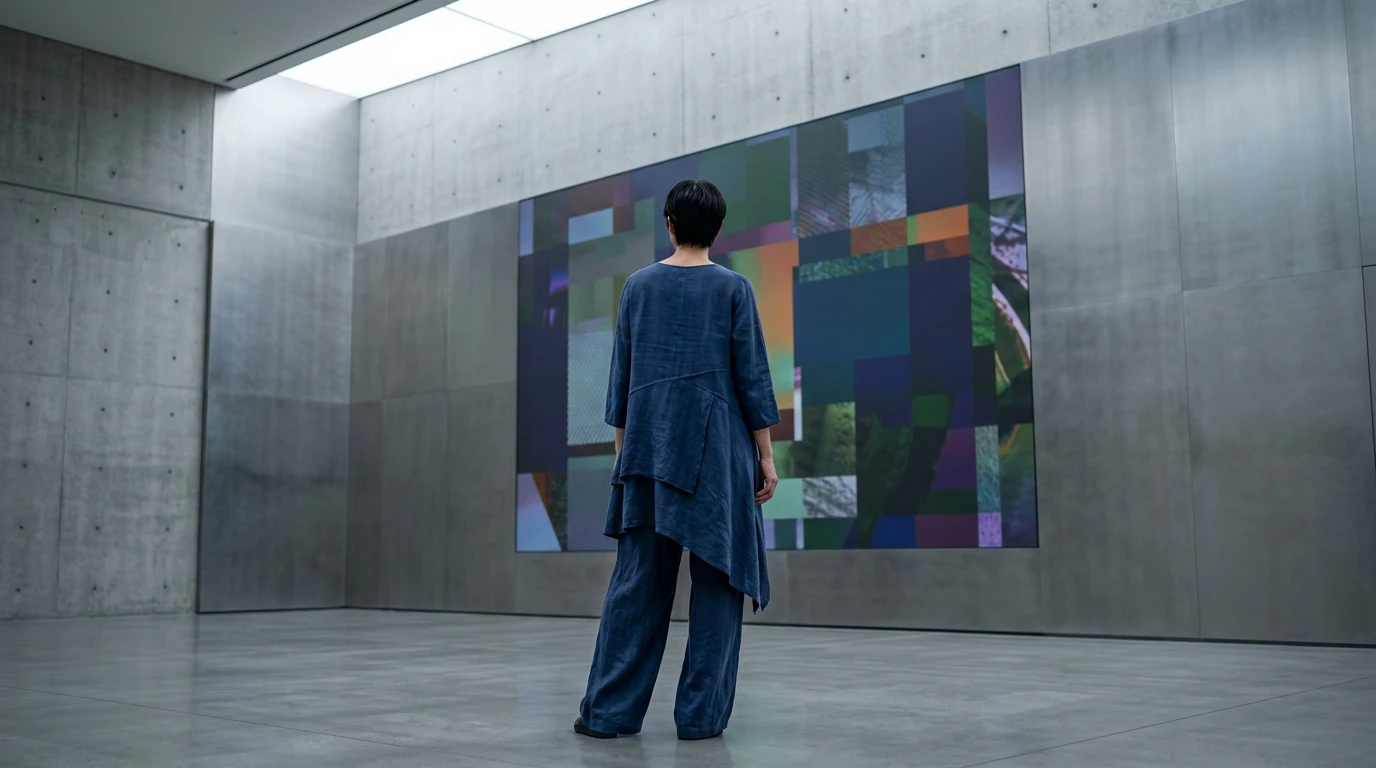
Crafting Your Look: Integrating Emerging Outfit Ideas into Your Wardrobe
Seeing new trends is one thing; making them work for you is another entirely. The key is to blend the new with the familiar, ensuring that every outfit still feels authentically you. It’s not about a complete overhaul, but a thoughtful evolution. This approach avoids the trap of fleeting micro-trends and builds a wardrobe that is both current and timeless.
Think of it like adding a new, exciting ingredient to a favorite recipe. You don’t throw out the whole dish; you enhance it. The process is less about chasing every new idea and more about selectively choosing what complements your existing style foundation.
Step-by-Step: Curating Trend-Forward Ensembles
Adopting new trends requires a strategy, a way to filter the constant stream of newness into something that serves your personal style. Without a plan, it’s easy to end up with a closet full of clothes that don’t go together — we’ve all made that impulse purchase we later regretted. By following a few deliberate steps, you can introduce modern elements that elevate what you already own.
Identify Your Core Aesthetic
Before you can add anything new, you must understand what you already have. Take a moment to analyze your favorite outfits. What do they have in common? Are you drawn to structured silhouettes, soft fabrics, neutral palettes, or bold colors? Write down three to five words that describe your ideal style, such as “classic,” “bohemian,” or “minimalist.” This becomes your filter. A clear understanding is the first step in decoding contemporary women’s fashion for your own use. Know yourself first.
Invest in Key Statement Pieces
You don’t need an entirely new wardrobe to feel current. What most people miss is that just one or two well-chosen pieces can update dozens of existing looks. Instead of buying cheap, trendy tops, consider investing in a single, high-quality statement piece like a sculptural blazer, a pair of wide-leg trousers, or a unique handbag. A report from the Fashion Retail Academy suggests that shoppers who purchase one “hero” item per season report 62% higher satisfaction with their wardrobe than those who buy multiple fast-fashion pieces. But how do you choose which trends are worth the investment? Look for items that not only excite you but also pair well with at least three other things you already own.
The Art of Accessorizing for a Modern Edge
Accessories are your secret weapon for trend integration. They offer the easiest, lowest-commitment way to play with new ideas without overhauling your entire look. A pair of chunky silver earrings, a brightly colored belt, or a different style of footwear can completely change the personality of a simple jeans-and-t-shirt combination. This is where you can experiment freely.
A recent surge in statement socks, for example, allows you to add a pop of color and personality to classic loafers or sneakers. Similarly, the way celebrities drive current fashion trends often starts with a specific accessory, like a particular sunglass shape or handbag style that quickly becomes iconic. These small additions are powerful tools for signaling that you are in tune with the present moment.
Checklist: Refreshing Your Wardrobe with Current Trends
Updating your closet should feel exciting, not overwhelming. Use this checklist to guide you through a mindful refresh that respects your budget and your personal style. The goal is a thoughtful curation, not a chaotic accumulation.
- Conduct a Style Audit: Spend an hour trying on clothes. Separate items into three piles: ‘love and wear often,’ ‘needs repair/tailoring,’ and ‘ready to donate/sell.’ This shows you what you value.
- Identify Gaps and Opportunities: Based on your ‘love’ pile, notice what’s missing. Do all your favorite tops need a more modern style of pants to go with them? Do your classic dresses need a new shoe style to feel fresh?
- Create a Focused Wishlist: Instead of aimlessly browsing, create a list of 3-5 specific items. Focus on pieces that will bridge the gap between your core aesthetic and current trends you admire. This is necessary when navigating current fashion trends.
- Prioritize Versatility: For each item on your wishlist, challenge yourself to mentally style it with at least three existing pieces in your wardrobe before purchasing.
- Experiment with Low-Stakes Items: Test-drive a bold color or pattern with a scarf, a pair of socks, or a piece of costume jewelry. This lets you try a trend without a major financial commitment.
- Implement a ‘One In, One Out’ Rule: To prevent closet clutter, make a rule that for every new item you bring in, one older, less-loved item must go out. This keeps your collection edited and purposeful.
This disciplined approach ensures that your style evolves intentionally, reflecting the best of what’s new while remaining true to who you are.
Future Forward: What’s Next for Outfit Inspiration?
Peeking into the future of fashion used to mean waiting for runway reports from Paris or Milan. That’s changing fast. The next wave of outfit ideas is being shaped not just by designers, but by algorithms, ethical considerations, and a global network of digital creators. This shift redefines how we discover and assemble our personal style.
The entire process is becoming more personal and predictive. It’s less about a top-down decree and more about a conversation between technology, culture, and individual taste. The future is a mix of high-tech and high-touch.
The Digital Frontier: AI and Virtual Fashion
Artificial intelligence is quickly becoming fashion’s behind-the-scenes stylist. Companies are now using advanced algorithms to analyze millions of social media posts, street-style photos, and sales data to forecast which silhouettes, colors, and textures will resonate next season. Think of it like a weather forecast for your wardrobe. A recent report from the Digital Fashion Group suggests that AI-driven trend analysis can predict breakout styles with up to 85% accuracy, a figure that legacy forecasting methods struggle to match.
This digital shift extends beyond prediction. Virtual try-on technology and digital-only garments are moving from niche concepts to tangible realities. Brands like DressX allow users to purchase digital clothing to be worn in photos and on social media — a completely new way to express style without physical production. What does it mean when your most daring outfit exists only as pixels? This is a key part of navigating current fashion trends in a world where digital and physical identities are merging. We are seeing a new class of digital influencers, sometimes completely AI-generated, who have a significant impact on what becomes popular.
Sustainable Choices Shaping Tomorrow’s Outfits
The conversation around sustainability has moved from a fringe topic to a central driver of consumer choice. This isn’t just about buying from “green” brands; it’s about fundamentally changing our relationship with clothing. The data backs this up: a study by the Boston Consulting Group found that 73% of Gen Z consumers prefer to buy from sustainably-minded brands.
This value system directly influences outfit creation. We see the rise of rental services like Rent the Runway for special occasions, a booming resale market on platforms like Depop, and a renewed interest in mending and upcycling. What most people miss is how this changes the aesthetic itself. Suddenly, a visibly mended sweater or a perfectly worn-in pair of vintage jeans becomes a status symbol, signaling not wealth, but consciousness.
This is where smart choices make all the difference. Building a future-proof wardrobe is less about chasing fleeting trends and more about investing in quality pieces that last. It’s about learning how to care for your clothes and finding joy in re-wearing and re-styling them. The most stylish outfits of tomorrow might be the ones that tell a story of longevity and mindful consumption, elevating everyday fashion beyond the hype cycle.
Ultimately, the source of outfit inspiration is diversifying, becoming more democratic and deeply personal, leaving us to wonder how our own digital habits and personal values will dress us next.
The Next Style Frontier: Your Personal AI Stylist?
As we look ahead, the very source of outfit inspiration is poised for another seismic shift, moving beyond human creators and into the realm of artificial intelligence. Imagine an algorithm that doesn’t just show you what’s trending, but cross-references the contents of your closet, your calendar appointments, and the day’s weather forecast to generate a unique, perfectly appropriate look just for you. This technology is no longer science fiction; it’s the next logical step in personalized fashion.
This raises a notable question for every style enthusiast: will this hyper-personalized guidance be the ultimate tool for self-expression, freeing us from decision fatigue and bad fashion choices? Or will it remove the joy of discovery, the happy accidents, and the creative spark that comes from piecing together an outfit yourself? As AI becomes a more integrated part of our lives, how we choose to use it—or not—will define the future of personal style itself.
Frequently Asked Questions About Outfit Ideas
What are the most versatile outfit ideas for transitioning between seasons?
The key to seasonal transitions is layering. Invest in a high-quality trench coat or a lightweight wool shacket that can be worn over both t-shirts and sweaters. Items like merino wool knits, classic denim, and leather ankle boots are required, as they provide warmth without bulk and work across multiple seasons.
How can I make trending outfit ideas work for a professional environment?
Incorporate trends through subtlety and structure. Instead of a full trendy look, choose one element—like wide-leg trousers in a neutral color, a silk blouse in a seasonal hue, or a sculptural blazer. By grounding a single trend-forward piece with professional staples, you maintain a polished look while still feeling current.
Where do most of today’s outfit ideas originate?
Today’s outfit ideas come from a diverse digital ecosystem. While runway shows still set a high-level tone, daily inspiration is driven primarily by social media platforms like TikTok and Instagram, street style photographers, and celebrity culture. Niche influencers and digital creators often have a more direct and immediate impact on what people wear than traditional fashion media.
Are there any timeless outfit ideas that always stay in style?
Absolutely. Timeless outfits are built on classic, well-made staples. Think of a crisp white button-down shirt paired with dark-wash jeans, a tailored black blazer that can be dressed up or down, a simple trench coat, or a versatile ‘little black dress.’ These foundational combinations transcend fleeting trends and serve as a reliable base for any wardrobe.
How can I find outfit ideas that genuinely suit my body type?
Focus on silhouette and proportion rather than outdated ‘rules.’ Understand what shapes make you feel most confident, whether it’s a defined waist from a wrap dress or the elongated line from high-waisted trousers. The best approach is to experiment in front of a mirror, learning which cuts and fabrics highlight your favorite features and express your personal style.