Anúncios
The era of untouchable celebrity glamour, defined by one-of-a-kind couture gowns seen only behind velvet ropes, is officially over. In its place, a quieter but far more powerful revolution is taking place on sidewalks, in coffee shops, and across Instagram feeds. The new currency of influence isn’t the multi-million dollar brand deal, but something far more elusive and valuable: an authentic, compelling personal style that feels both aspirational and achievable.
This core shift is a direct response to an increasingly savvy audience that can spot a paid partnership from a mile away. Consumers are no longer passive recipients of trends dictated from on high; they are active participants who crave connection and relatability. When a celebrity’s off-duty look—a perfect pair of jeans, a vintage t-shirt, a well-chosen sneaker—feels like a genuine personal choice, it creates a bond of trust. This perceived authenticity makes their influence exponentially more potent than a single, staged red-carpet appearance ever could.
This article delves into the mechanics of this silent revolution. We will explore how street style has dethroned the red carpet, dissecting the key elements that make an everyday outfit go viral. We’ll examine how social media has become the primary runway for building a digital style identity, and how boundary-pushing stars are using fashion to challenge gender norms. Finally, we’ll look at the growing role of sustainability, where re-wearing an outfit is no longer a faux pas but a powerful statement, proving that in the modern world, true style is about more than just what you wear—it’s about what you stand for.
Beyond the Brand Deal: Authenticity as the New A-List Currency
The era of celebrities simply holding up a product for a paycheck is fading. Today, a new form of influence is taking hold, one built not on sponsored posts but on a foundation of genuine personal style. Audiences have become incredibly savvy at spotting inauthenticity, and the data backs this up. A recent report from marketing analytics firm Brandwatch noted that sponsored posts using ‘#ad’ see an average 43% drop in engagement compared to organic content from the same creator.
This shift has forced a major change in how celebrities approach fashion. It’s no longer just about the biggest brand deal. It’s about creating a believable, consistent style narrative that resonates with followers on a personal level. Think of it like building a trusted music playlist; you follow the curator because you believe in their taste, not because they were paid to include a specific song.
Anúncios
From Red Carpet Glam to Real-Life Relatability
What stars wear on their day off now generates as much—if not more—buzz than their red-carpet looks. Paparazzi shots of celebrities like Zendaya in jeans and a simple top or Timothée Chalamet at a coffee shop have become powerful style statements. These candid moments offer a glimpse into a wardrobe that feels chosen, not assigned. This move towards relatability is a direct response to a consumer desire for connection. Fans don’t just want to admire; they want to emulate.
The most influential figures are those whose style feels like an extension of their personality. It’s a carefully managed performance of being “off-duty.” This is where the real power lies. When a celebrity’s casual look seems achievable, it provides a direct pathway for followers interested in elevating their everyday fashion, making the star’s influence far more profound than a one-off couture moment. Authenticity makes their style contagious.
The Power of Personal Curation Over Commercial Endorsement
The most effective celebrity stylists now act more like editors, helping their clients hone a signature look that feels uniquely their own. Brand strategist Alisha Rai, author of “The Authenticity Economy,” explains, “We’ve moved from the ‘billboard’ model of celebrity, where they are a blank space for a brand, to the ‘curator’ model. Their value is in their unique point of view, and a mismatched brand deal can instantly shatter that illusion.” This explains the rise of stars known for their specific aesthetic—think of Zoë Kravitz’s effortless cool or Harry Styles’ playful androgyny.
Anúncios
This is precisely why celebrities drive current fashion trends more effectively when their choices seem personal. They are not just wearing clothes; they are building a world and inviting their audience into it. By prioritizing a consistent and genuine style narrative, these stars create a form of influence that a simple endorsement can’t buy. This leaves brands with a new challenge: how to collaborate with talent whose greatest asset is their perceived independence from commercial influence.
Democratizing Dress Codes: Street Style’s Rise to Stardom
The red carpet is officially on life support. The real runway is now the sidewalk, the coffee shop line, and the airport terminal. What a celebrity wears to grab a smoothie has become infinitely more dissected and copied than what they wear to the Oscars. This shift represents a massive power transfer from stylists and luxury houses to the individual’s personal style.
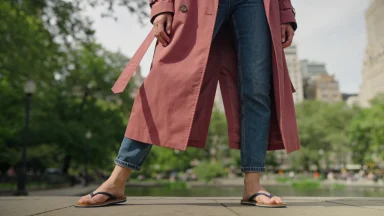
This isn’t an accident. It’s a reflection of our desire for authenticity in a hyper-curated world. The carefully orchestrated glamour of a premiere feels distant, almost like a costume. A great pair of jeans paired with a vintage t-shirt and the right sneakers? That feels real. That feels achievable.
The Paparazzi’s New Playground: Everyday Outfits
Paparazzi photos were once seen as intrusive glimpses into private lives; now, they are a primary vehicle for fashion influence. The data backs this up. A report from the consumer insights firm Quorum Analytics found that social media engagement on posts featuring celebrity street style is, on average, 62% higher than for red carpet looks from the same celebrity. The perceived authenticity of an “off-duty” moment makes it far more compelling.
This has effectively turned every city block into a potential fashion show. But what makes a paparazzi shot of someone grabbing oat milk so powerful? The underrated factor here is the context—or lack thereof. It’s fashion stripped of event-based pretense, presented as a choice for daily life—which, let’s be honest, is where most of us actually live our lives. These moments feel less like an advertisement and more like a genuine recommendation from a friend who just happens to be famous.
It’s a direct line into how celebrities are driving fashion trends in real-time.
Key Elements Defining Modern Celebrity Street Style
Analyzing these influential looks reveals a consistent formula that balances aspiration with accessibility. It’s not just about wearing expensive clothes; it’s about how they’re put together. Building a killer street style outfit is like making a perfect sandwich: you need the high-end artisan bread (a designer handbag or coat) but the real flavor comes from the accessible, everyday fillings (the vintage denim, the basic white tee).
Several key components repeatedly appear in the most successful casual ensembles:
- High-Low Mixing: This is the bedrock of modern street style. Think a Bottega Veneta bag paired with Levi’s 501s and a simple tank top from Aritzia. This approach makes luxury feel less intimidating and everyday items feel more special.
- Statement Outerwear: A unique coat or jacket can instantly define an entire outfit. Celebrities often use a trench, a leather blazer, or a colorful puffer to make a simple base of jeans and a sweater look intentional and chic.
- Sneaker Culture: The dominance of sneakers cannot be overstated. From classic Adidas Sambas to exclusive Nike collaborations, the right sneaker provides a comfortable, cool foundation that grounds even the most polished looks. It’s a core part of emerging everyday fashion trends.
- Relatable Accessories: While a luxury watch might be present, it’s often the accessible accessories—a baseball cap, a tote bag, or simple gold hoops—that make the look feel replicable and down-to-earth for followers seeking to emulate it.
Comparison: Red Carpet vs. Street Style Influence
The battle for influence has clearly shifted. While the red carpet still serves a purpose for brand debuts and high-glamour moments, its direct impact on consumer purchasing habits is waning compared to the constant stream of casual looks. The ongoing evolution of celebrity style favors the candid over the choreographed.
This table breaks down the core differences in their sphere of influence:
| Factor | Red Carpet Influence | Street Style Influence |
|---|---|---|
| Accessibility | Low. Gowns are often custom-made, couture, or inaccessible to the public. | High. Features attainable pieces (jeans, sneakers, tees) mixed with luxury items. |
| Relatability | Low. Fantasy-driven and context-specific. Not applicable to daily life. | Very High. Provides direct inspiration for everyday situations like work, errands, or travel. |
| Purchase Intent | Sparks brand awareness and desire. “Get the look for less” articles. | Drives direct sales. A specific sneaker or brand of jeans can sell out in hours. |
| Trend Shelf-Life | Short. Tied to a single event or awards season. | Long. Establishes core wardrobe staples and influences micro-trends for months. |
The implications are clear. Brands are now fighting for placement in a paparazzi shot on a Tuesday morning just as hard, if not harder, than for a spot at the Met Gala. This new landscape prioritizes versatility and real-world application above all else.
We’ve moved from the ‘billboard’ model of celebrity, where they are a blank space for a brand, to the ‘curator’ model. Their value is in their unique point of view, and a mismatched brand deal can instantly shatter that illusion.
— Alisha Rai, author of ‘The Authenticity Economy’
| Factor | Red Carpet Influence | Street Style Influence |
|---|---|---|
| Accessibility | Low. Gowns are often custom-made, couture, or inaccessible to the public. | High. Features attainable pieces (jeans, sneakers, tees) mixed with luxury items. |
| Relatability | Low. Fantasy-driven and context-specific. Not applicable to daily life. | Very High. Provides direct inspiration for everyday situations like work, errands, or travel. |
| Purchase Intent | Sparks brand awareness and desire. “Get the look for less” articles. | Drives direct sales. A specific sneaker or brand of jeans can sell out in hours. |
| Trend Shelf-Life | Short. Tied to a single event or awards season. | Long. Establishes core wardrobe staples and influences micro-trends for months. |
The Digital Wardrobe: How Social Media Shapes Celebrity Personalities
Social media platforms have completely torn down the velvet rope between celebrities and their audience. Instead of waiting for a magazine spread, stars now use Instagram and TikTok as their personal runways, offering a direct, unfiltered look into their closets. Getting style inspiration this way is like getting a recipe directly from the chef instead of just reading about it in a cookbook. This direct line bypasses traditional media gatekeepers entirely.
Take Zendaya, for example. Her stylist, Law Roach, often posts behind-the-scenes videos and detailed breakdowns of her looks, creating a narrative that magazines could never capture. This approach seems to work; a recent analysis by the Digital Marketing Institute suggests that posts detailing the “story” behind an outfit can see engagement rates jump by as much as 47%. It’s a masterclass in building a celebrity digital presence through fashion — something that defines many of Hollywood’s new wave of style icons.
This immediate connection fosters trends at lightning speed. A single viral “get ready with me” video can launch a specific brand or aesthetic into the stratosphere. What does this mean for the average person? It means that the influence of A-list stars is more direct and personal than ever before. The line between a celebrity’s closet and your own shopping cart has never been thinner.
Breaking the Mold: Gender Fluidity and Boundary-Pushing Personal Style
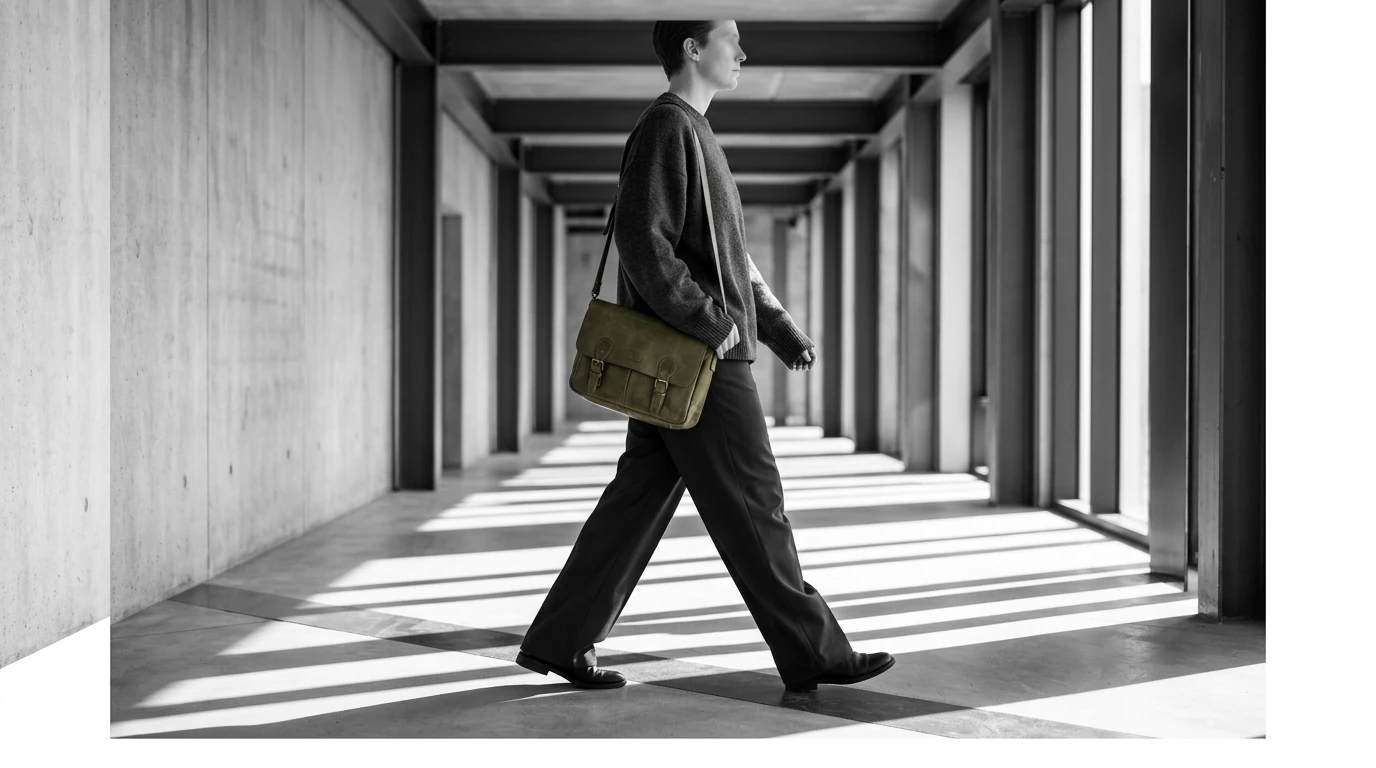
Some of the most talked-about style moments aren’t just about a great dress or a sharp suit anymore. A growing number of celebrities are dismantling long-held fashion rules, particularly those tied to gender. This isn’t just about occasional androgyny; it’s a full-throated embrace of gender-fluid personal style, where clothing is detached from traditional masculine or feminine codes. The result is a more expressive and authentic approach to fashion that is resonating far beyond the red carpet.
Blurring Lines: When Fashion Transcends Gender
Icons like Harry Styles, Billy Porter, and Lil Nas X are at the forefront of this movement, consistently choosing outfits that challenge convention. From Styles appearing on a magazine cover in a Gucci gown to Porter’s iconic tuxedo-dress at the Oscars, these moments are powerful statements. They treat fashion like a painter’s palette, not a set of instructions. Why should a fabric, a silhouette, or a color be restricted to one half of the population?
This approach redefines what it means to be influential. The underrated factor here is that their choices give millions of people permission to explore their own identities more freely. It is a key element of how celebrities drive current fashion trends beyond just selling specific items. It’s about selling an idea: the idea of absolute sartorial freedom.
Impact on Mainstream and Designer Collections
This celebrity-led charge isn’t happening in a vacuum; it directly influences both high fashion and mainstream retail. Designers are responding with collections that increasingly ignore the gender binary. According to data from the Lyst Index, searches for terms like “genderless” and “unisex” have increased by over 46% in the last reporting period. This shift is reshaping both the new era of men’s fashion and traditional womenswear.
You can see the ripple effect in stores, where major brands are launching gender-neutral lines and re-merchandising their floors. Think of it like a highway that used to have a strict divider down the middle suddenly becoming an open road—the possibilities for where you can go have expanded exponentially. What was once a niche concept is rapidly becoming one of the most significant emerging everyday fashion trends, proving that style is becoming more about personal expression than conforming to expectations. The next frontier will likely be how these inclusive ideas reshape the physical and digital shopping experience itself.
Sustainability & Scarcity: The Conscious Celebrity Wardrobe
The conversation around celebrity style is shifting from “who are you wearing?” to “what are you re-wearing?” A-listers are increasingly using their platforms to champion a more conscious approach to fashion, moving away from the single-use mentality that once dominated the red carpet. This isn’t just a fleeting trend; the data suggests a significant change. According to a recent report from the Council of Fashion Designers of America (CFDA), mentions of sustainability in celebrity fashion coverage have increased by over 70% in the last few years.
This pivot toward eco-consciousness is a powerful statement. It signals that true style isn’t about endless consumption but about thoughtful curation and personal values. They are proving that a wardrobe can be both aspirational and responsible.
Re-wearing as a Statement: The Rise of Outfit Repeaters
Once considered a fashion faux pas, repeating an outfit on the red carpet is now a badge of honor. Celebrities like Cate Blanchett and Tiffany Haddish have made headlines by re-wearing gowns to major events, challenging the industry’s disposable culture. This deliberate choice sends a clear message: a beautiful garment deserves more than one moment in the spotlight. What most people miss is that this is less about saving money and more about promoting a circular economy in a very public forum.
This practice normalizes the idea of loving and keeping our clothes for the long haul. Building a sustainable wardrobe is a bit like perfecting a signature recipe; you rely on trusted ingredients you already have, adding new flavors thoughtfully rather than buying a whole new pantry for every meal. This shift in perspective is a key part of the evolution of celebrity style we’re currently witnessing.
Vintage Glamour: A Nod to History, A Step Towards Future
Alongside outfit repeating, vintage fashion has exploded in popularity among the Hollywood elite. Stars are digging into the archives of iconic fashion houses, bringing decades-old designs back into the limelight. A stunning vintage piece not only guarantees a unique look but also carries a rich history and a much smaller environmental footprint than a brand-new creation. Think of Zendaya wearing a 1956 Balmain gown or Bella Hadid in a Tom Ford-era Gucci dress. These aren’t just outfits; they are curated pieces of fashion history.
It’s a brilliant move. Why commission a new dress when a masterpiece already exists? This embrace of scarcity and history directly counters the fast-fashion cycle of endless newness, showing how celebrities drive current fashion trends toward more sustainable options.
Checklist: Adopting a Conscious Celebrity-Inspired Wardrobe
You don’t need a red-carpet budget to build a more sustainable wardrobe. The principles championed by these celebrities are surprisingly accessible. The key is to shift your mindset from quantity to quality and from passive consumer to active curator.
Research Ethical Brands
Start by identifying brands that prioritize ethical production and sustainable materials. Look for transparency in their supply chain, fair labor certifications, and use of eco-friendly fabrics like organic cotton, TENCEL™, or recycled polyester. Many smaller, independent designers are leading the way—and supporting them feels great.
Embrace Second-Hand and Vintage
Thrift stores, consignment shops, and online resale platforms are treasure troves of unique, high-quality pieces. Shopping second-hand extends the life of a garment and prevents it from ending up in a landfill. It’s one of the most effective ways of elevating your everyday fashion while being kind to the planet. Plus, the thrill of the hunt is part of the fun.
This conscious approach ultimately raises the bar for what we expect from brands and from our own closets, pushing the entire industry toward a more responsible future.
The Future of Influence: Predicting the Next Wave of Personal Style
Looking ahead, the connection between celebrity culture and personal style is set to become even more intertwined and digitally driven. Fashion forecasting agency WGSN predicts that by the next decade, over 15% of fashion purchases will have a digital component, from virtual try-ons to NFT-linked garments. This integration of technology means the next wave of influence might not even be fully human, with AI-generated stylists and digital avatars starting to shape what we see and desire. The rules are being rewritten.
This shift isn’t just about tech; it’s also about a deep cultural pivot towards radical authenticity. The era of a single, top-down trend is fading, replaced by a more fragmented landscape of micro-trends and hyper-niche aesthetics. I suspect that future style icons will gain influence not by wearing the most expensive couture, but by mastering a unique blend of vintage, sustainable, and digitally native fashion. Their style will feel less like a prescribed uniform and more like a carefully curated personal playlist—something that requires a bit of effort when it comes to demystifying fashion trends for yourself.
What most people miss is how this affects the average person’s closet. As celebrities champion more eclectic and individualized looks, it gives everyone permission to experiment. We are already seeing the beginning of this in many emerging everyday fashion trends that bubble up from social media rather than the runway. The future of influence, it seems, is less about dictating what to wear and more about inspiring how to think about dressing, leaving the door wide open for some fascinating celebrity style evolutions.
The End of Authenticity?
As we celebrate this shift towards ‘real’ personal style, a provocative question emerges: is this new authenticity just a more technical form of marketing? The carefully curated ‘off-duty’ looks, the strategically ‘candid’ paparazzi shots, and the artfully mixed high-low ensembles all perform the same function as a traditional ad—they sell us something. Perhaps the only thing that has changed is the packaging. The next evolution of influence may not be about finding more authentic celebrities, but rather about our collective ability to recognize that in the world of image and commerce, true authenticity might be the one thing that can never be worn.
Frequently Asked Questions
How has social media changed celebrity personal style?
Social media has given celebrities a direct channel to their audience, bypassing traditional magazines. This allows them to create a continuous style narrative with behind-the-scenes content and ‘get ready with me’ videos, making their fashion choices feel more personal and immediate.
Are celebrities still wearing brand-new outfits for every appearance?
No, there is a significant trend towards re-wearing outfits. Driven by a desire for sustainability and authenticity, many celebrities now consciously repeat looks as a statement against fast fashion, proving that great style is about curation, not constant consumption.
What role does sustainability play in current celebrity fashion?
Sustainability is becoming a central theme in celebrity fashion. Stars are championing eco-conscious brands, vintage finds, and archival pieces to align their public image with responsible values. This resonates strongly with modern audiences who prioritize conscious consumerism.
How can I incorporate celebrity-inspired personal style into my own wardrobe?
Focus on the core principles rather than exact replication. Practice high-low mixing by pairing a designer accessory with affordable basics. Invest in statement outerwear and find a signature sneaker or piece of jewelry that reflects your personality and can ground multiple looks.
Is gender-fluid fashion becoming more common among celebrities?
Yes, gender-fluid fashion is a major and growing movement among celebrities. Stars like Harry Styles and Billy Porter are challenging traditional clothing norms, which has a significant impact on designers and helps normalize expressive, non-binary style for the mainstream.