Anúncios
In a world saturated with fleeting styles and micro-trends that burn out in a single season, it can feel impossible to keep up. One minute, a specific aesthetic dominates every social media feed; the next, it’s relegated to the back of the closet. This relentless cycle often leaves us feeling overwhelmed, with a wardrobe full of clothes that feel dated almost as soon as we buy them. But what if the secret to timeless style isn’t about chasing every new fad, but about understanding the deeper currents shaping how we dress?
Beneath the surface-level noise of viral challenges and “-core” aesthetics, several foundational shifts are redefining everyday fashion. These macro-trends are not driven by hype, but by basic changes in our lifestyles, values, and technology. They reflect a collective move towards greater comfort, a desire for more sustainable and versatile clothing, and a growing appreciation for global cultures. Unlike a fleeting micro-trend, these movements have staying power, offering a new blueprint for building a wardrobe that is both modern and enduring.
Distinguishing between a temporary craze and a true cultural shift is the key to dressing with intention. This guide will help you decode the significant movements in today’s fashion landscape. We’ll explore the rise of conscious comfort and adaptable pieces that blend home and high street, the respectful integration of global aesthetics into daily wear, and the quiet influence of technology weaving its way into our clothing. By understanding these core pillars, you can learn to curate a personal style that feels current, authentic, and built to last.
Beyond the Hype: Identifying True Everyday Fashion Shifts
Sorting through the endless stream of new styles can feel like trying to catch rain in a bucket. One moment, a specific color or silhouette is everywhere; the next, it’s gone. The real skill lies in distinguishing between a fleeting fad and a genuine shift in everyday fashion. These foundational changes have staying power, influencing how we dress for years, not just a single season.
It’s about seeing the bigger picture. Genuine trends often reflect deeper societal movements, such as a collective desire for comfort, a push toward sustainability, or a new definition of professionalism. They don’t just appear out of nowhere; they build slowly, like a wave gathering force far from shore.
Anúncios
Spotting Micro-Trends vs. Macro-Trends
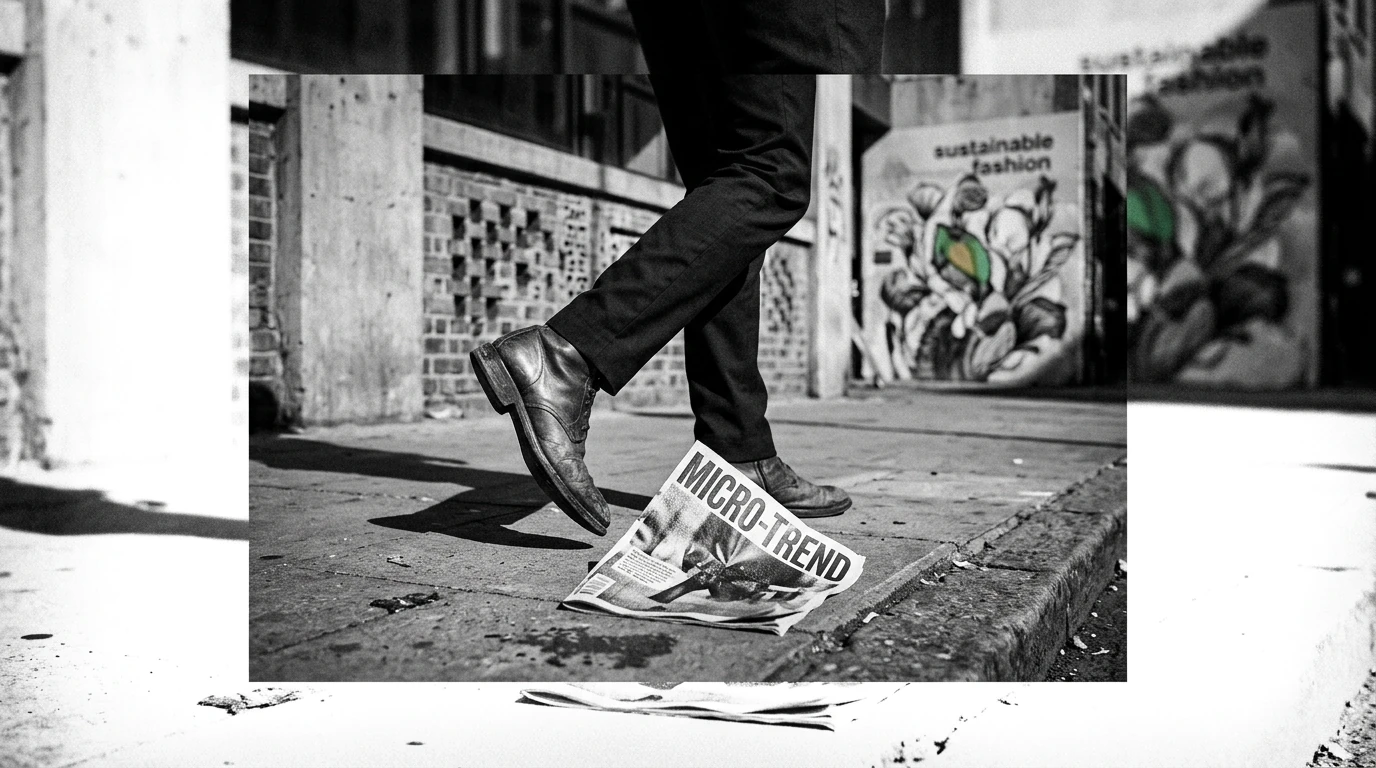
Understanding the difference between micro and macro is the first step. Micro-trends are the fast, flashy styles that often go viral. Think of a particular shade of green or a specific style of cutout top that dominates your feed for a few months. They are exciting and fun, but their lifespan is notoriously short. They burn brightly and fade fast.
Macro-trends, conversely, are the slow-moving tectonic plates of style. According to Dr. Julianna Vance, a consumer behavior analyst at the Fashion Institute of Technology, “A true macro-trend shows sustained interest, often growing by 15-20% across multiple demographics over 18-24 months, whereas a micro-trend can spike 400% in a single quarter and then disappear completely.” These are the shifts toward relaxed-fit denim, the integration of athletic wear into daily outfits, or the focus on seasonless, versatile pieces — concepts that genuinely alter our wardrobes. Learning how to elevate everyday fashion with smart choices often means focusing on these larger movements.
The Influence of Social Media on Trend Adoption
Social media platforms have dramatically accelerated the trend cycle. Algorithms on TikTok and Instagram can turn a niche aesthetic into a global phenomenon in a matter of weeks. This creates a constant churn of “cores” and micro-styles that can be overwhelming. But is every viral style challenge shaping the future of fashion? Surprisingly, the data suggests not.
Anúncios
The key here is observing who is adopting the trend and for how long. A style that only circulates among a specific online subculture may not have mainstream longevity. when you see those same ideas being interpreted by a wider range of people, including celebrities and mainstream influencers, it’s a signal of a more significant shift. This is the difference between a temporary viral moment and a style with the potential to become a new classic — and let’s be honest, it’s a difficult line to walk.
Ultimately, separating the signal from the noise allows for more intentional and sustainable style choices, building a wardrobe that feels current without being disposable.
Conscious Comfort: The Rise of Elevated Loungewear and Adaptable Pieces
The line between what we wear at home and what we wear out has blurred into a stylish, comfortable middle ground. What was once relegated to Sunday afternoons on the sofa has now become a advanced statement in everyday fashion. This isn’t just about wearing sweatpants to the grocery store; it’s a complete re-evaluation of comfort as a form of personal luxury. A recent study by the NPD Group highlighted that sales for “above-the-keyboard” wear, like premium knit tops, grew by 43%, while sales for structured trousers saw a decline. This signals a permanent shift in our wardrobes.
The change is less about giving up on style and more about demanding more from our clothes. We want pieces that work for a video call, a coffee run, and a relaxing evening. It is all about versatility.
Key Fabrics and Silhouettes Driving the Trend
Fabric is the primary language of elevated loungewear. Traditional fleece and basic cotton are being replaced by materials that offer both superior comfort and a more polished appearance. We’re seeing a surge in the use of Tencel Lyocell, known for its sustainable production and silky drape, and modal, which offers a feather-light feel against the skin. Cashmere and merino wool blends provide warmth without bulk, making them perfect for year-round wear.
In terms of silhouettes, the focus is on relaxed but intentional shapes. Think less sloppy and more softly structured. Key pieces include:
- Wide-leg knit trousers: These offer the comfort of sweatpants but with a fluid, elegant line that pairs easily with heels or sneakers.
- The matching set: Co-ordinated tops and bottoms in a premium fabric instantly look put-together with minimal effort. This approach has become a cornerstone for creating chic outfit ideas shaping contemporary style without the usual morning guesswork.
- The oversized blazer-cardigan: A hybrid piece that combines the formal structure of a blazer with the soft comfort of a cardigan, often called a “blardigan” or “coatigan.”
From Home to High Street: Styling Adaptable Wardrobe Essentials
The true genius of adaptable fashion lies in its chameleon-like ability to fit different contexts. What most people miss is that the distinction between “lounge” and “day” wear isn’t the item itself, but how it’s styled. Building a wardrobe with these pieces is like meal prepping; you prepare the core components, and they can be combined in different ways all week long. But how do you actually make a knit set look appropriate for a client lunch? The secret is in the accessories and layers.
A simple comparison highlights the evolution:
- Traditional Loungewear: Worn-out college hoodie, pilled fleece pants, old t-shirt. These pieces signal “I’m not leaving the house” and offer limited styling potential. They are purely for private comfort.
- Elevated Adaptable Pieces: A structured merino wool hoodie, tailored-fit joggers in a Tencel blend, a washable silk camisole and pants set. These items serve as a neutral, high-quality base for building a complete outfit. They are designed with public-facing life in mind — because no one wants to feel underdressed, even when prioritizing comfort.
Effectively elevating everyday fashion with smart choices means investing in these versatile staples that blur the lines between dress codes.
The Art of Layering for smooth Transitions
Layering is the mechanism that makes adaptable clothing work. It allows you to adjust your outfit for different environments instantly. A silk camisole and matching pants, which serve as luxurious pajamas, become office-appropriate when you throw on a tailored blazer and loafers. That cozy cashmere jumpsuit can be styled with a leather jacket and ankle boots for a dinner out. The key is to mix textures and structures.
Think of it like this: your comfortable base layer is the main course, and the layers are the seasonings that change the entire flavor of the meal. A trench coat adds sophistication, a denim jacket lends a casual edge, and a sharp blazer brings professional polish. This skill is basic for anyone looking to master their look across different settings, making effortless seasonal fashion transitions a year-round reality.
Brands Leading the Conscious Comfort Movement
Several brands are at the forefront of this shift, proving that style, comfort, and sustainability can coexist. Brands like Lunya have become famous for their washable silk sets that feel incredible and look chic enough to wear out. Cuyana focuses on a “fewer, better” philosophy, offering timeless pieces like alpaca sweaters and pima cotton tees that are designed to last. Meanwhile, Everlane continues to offer transparently priced basics in high-quality materials that form the backbone of an adaptable wardrobe.
According to textile consultant Dr. Anika Patel, “Consumers are now looking for a higher ‘Cost Per Wear’ value. They’re willing to invest more upfront in a piece made from Tencel or a cashmere blend if they know it can be worn for work, home, and travel.” This shift away from disposable fashion is not just a trend; it’s a core change in consumer behavior.
The movement suggests a future where our closets are smaller but significantly more versatile, filled with pieces we genuinely love to wear in every part of our lives.
A true macro-trend shows sustained interest, often growing by 15-20% across multiple demographics over 18-24 months, whereas a micro-trend can spike 400% in a single quarter and then disappear completely.
— Dr. Julianna Vance, Consumer Behavior Analyst at the Fashion Institute of Technology
| Emerging Trend | Key Characteristics |
|---|---|
| Conscious Comfort | Focus on versatile, high-quality fabrics like Tencel and merino wool; relaxed but structured silhouettes; pieces that transition from home to public life. |
| Global Fusion | Integration of non-Western prints, craft techniques, and silhouettes; emphasis on ethical collaboration with artisans and cultural appreciation over appropriation. |
| Tech Integration | Smart fabrics with functional properties (e.g., temperature regulation, wrinkle resistance); use of AI for personalized styling and virtual try-ons. |
| Strategic Curation | Focusing on macro-trends over fleeting fads; building a capsule wardrobe with versatile, long-lasting pieces that can be styled in multiple ways. |
Global Fusion: Incorporating Cultural Aesthetics into Daily Wear
The world feels smaller than ever, and our wardrobes are reflecting that reality. Designers and style enthusiasts are increasingly looking beyond traditional Western fashion capitals, drawing inspiration from a rich tapestry of global cultures. This isn’t just about a single “boho” season; it’s a permanent shift towards integrating diverse prints, silhouettes, and craft techniques into what we wear daily. The result is a more personal and story-rich approach to dressing, creating unique outfit ideas that shape contemporary style.
We’re seeing this play out in very specific ways. Think of the clean, functional lines of Japanese workwear finding their way into oversized jackets and wide-leg trousers, or the vibrant energy of Ankara wax prints from West Africa appearing on modern jumpsuits and blouses. According to a recent Pinterest insights report, searches for “artisan textiles” have climbed by over 55% in the last reporting period. It’s a clear signal that consumers are hungry for authenticity. They want pieces that feel special and have a story. This is about more than just looking good.
Of course, this trend walks a fine line between appreciation and appropriation. What most people miss is that the key difference lies in collaboration and credit. Successful integration happens when brands work directly with artisans, ensuring fair compensation and celebrating the origin of the craft—a practice some celebrities are beginning to champion. It’s like being a guest in someone’s home; you admire their decor, you don’t just take it without asking. The best examples are partnerships, not simply borrowing a visual motif without context.
For those looking to explore this trend, accessories offer a fantastic starting point. A hand-tooled leather bag from Mexico or a colorful silk scarf with a traditional Indian block print can completely transform a simple outfit of a t-shirt and jeans. These small additions are a powerful way of elevating everyday fashion with smart choices. Each piece carries a bit of its origin story, making your style more than just a trend—it becomes a conversation starter.
The Digital Thread: How Tech is Weaving into Our Wardrobes
Technology’s influence on fashion extends far beyond online shopping. It’s now embedded in the very fibers of our clothes and the algorithms that help us decide what to wear. What most people miss is that these changes are not always flashy gadgets; instead, they often appear as subtle improvements to our everyday fashion. These digital advancements are quietly making our wardrobes more functional, personalized, and responsive to our needs.
Smart Fabrics and Functional Designs
The clothing we wear is getting smarter. Innovations in material science are introducing fabrics that do more than just cover our bodies. Imagine a jacket that adjusts its insulation based on the temperature or a business shirt made from a material that actively resists wrinkles and stains throughout a long day. These aren’t concepts from a sci-fi movie; they are becoming reality. According to a recent analysis from the Boston Consulting Group, the smart textiles market is experiencing significant growth, indicating a clear consumer demand for enhanced functionality.
This move toward functional design is less about creating a cyborg-style aesthetic and more about solving practical, daily problems. For instance, athletic wear technology, such as moisture-wicking and anti-odor properties, is now standard in casual clothing. Commuter-friendly pants with hidden reflective details and extra stretch are another example. The goal is to elevate everyday fashion by making it work better for the person wearing it, turning your closet into a toolkit for modern life.
AI’s Role in Personal Style Curation
Artificial intelligence is quickly becoming the ultimate personal stylist. Algorithms on retail sites and styling apps analyze your past purchases, browsing history, and even visual inspiration from social media to suggest items you might love. This process goes beyond simple recommendations. It’s about creating a curated experience that feels uniquely yours, almost like having a personal shopper who remembers every single preference you have—and then finds new options you hadn’t even considered.
This data-driven approach helps us sift through the overwhelming number of choices available online. Many platforms now offer virtual try-on features that use augmented reality to show you how a garment might fit before you buy. But does this algorithmic precision risk homogenizing personal style? Some experts, like digital sociologist Dr. Lena Petrova, argue that “AI can be a powerful tool for style discovery, but true self-expression comes from the unexpected combinations it might not predict.” The system learns from everything, including the powerful trends set by public figures, which is a key part of how celebrities influence fashion.
Ultimately, these tools are shaping a new way to interact with clothing, offering endless ideas for contemporary outfits and pushing the boundaries of what a personalized wardrobe can be. The next step may involve fully digital wardrobes and NFT-based fashion, blurring the line between our physical and digital identities even further.
Curating Your Modern Capsule: A Step-by-Step Approach to Trend Integration
Integrating the latest trends doesn’t mean you have to overhaul your entire wardrobe every season. It’s about being selective and strategic. Think of your closet like a well-edited playlist; the core tracks are your timeless staples, and the new hits are the trend pieces you sprinkle in to keep things fresh. The goal is to evolve your style, not erase it. This mindful approach ensures your wardrobe feels current yet authentically you.
Assess Your Current Style DNA
Before you add anything new, you need a clear picture of what you already have and love. Start by pulling out your most-worn items from the last six months. What do they have in common? You might notice a preference for certain silhouettes, a specific color palette, or particular fabrics. This is the foundation of your personal style. It’s a surprisingly revealing exercise.
This process isn’t about judgment; it’s about data collection. A recent survey by the Global Fashion Agenda found that the average person only wears about 20% of their wardrobe regularly. Analyzing that 20% gives you a blueprint for making smarter purchases and elevating your everyday fashion with smart choices. Are you drawn to structured blazers or soft, flowing cardigans? Do you live in denim or tailored trousers? Answering these questions helps you identify the gaps and avoid buying duplicates of things you rarely wear.
Identify Key Trend Pieces that Resonate
With a firm grasp of your style DNA, you can now scan the trend horizon with a discerning eye. Not every new style will align with your aesthetic, and that’s perfectly fine. The key is to cherry-pick elements that complement what you already own and genuinely excite you. Maybe it’s the sudden return of cargo pants or the prevalence of a bold color like cobalt blue.
Look for trends that feel like a natural extension of your existing wardrobe. For example, if you love classic tailoring, perhaps a slightly oversized blazer is the perfect update. If your style is more bohemian, a pair of artisan-crafted clogs might be a better fit than slick, minimalist sneakers. Watching how tastemakers incorporate newness can be a great source of inspiration—the way celebrities drive current fashion trends often provides a roadmap for real-world application.
Investing in Quality Over Quantity
When you do decide to invest in a trend, prioritize quality. A well-made item will not only look better but also last longer, giving you a better cost-per-wear value. This is especially true for items you plan to integrate heavily into your rotation. A cheap, pilling sweater in a trendy color might seem like a bargain, but if it only survives three washes, was it really a good deal?
Focus on fabric content and construction. Stylist and sustainable fashion advocate Anya Gupta often advises, “Look for natural fibers like cotton, linen, wool, and Tencel. A piece made from quality material will hang better on the body and withstand the test of time, even if the trend itself fades.” It’s the difference between a fleeting fling and a long-term relationship with your clothes.
Mix and Match Strategies for Versatility
The true test of a successful trend integration is its versatility. A new piece should feel like it expands your options, not limits them. Before buying, challenge yourself to mentally style the item with at least three different outfits using pieces you already own. That trendy silver bag—can you wear it with jeans and a tee, a slip dress for a night out, and your work trousers?
This mix-and-match approach is the heart of a dynamic wardrobe. It’s about creating fresh combinations that feel new without a constant influx of purchases. Try pairing a trendy, romantic blouse with your old, favorite pair of distressed jeans, or throw a modern, boxy jacket over a classic midi dress. These simple juxtapositions are central to many outfit ideas shaping contemporary style and keep your look from feeling one-note.
It’s a simple rule that pays dividends.
Seasonal Updates vs. Core Staples
Finally, it’s useful to distinguish between short-term seasonal updates and long-term core staples. Your core staples are the high-quality basics that form the backbone of your wardrobe: the perfect white t-shirt, a classic trench coat, a great pair of black pants. These are items worth investing more in because their relevance is not tied to a particular season.
Seasonal updates, are where you can have more fun with fleeting trends. This might be a specific “it” color, a playful accessory, or a particular print. Since these pieces have a shorter lifespan, you might spend less on them or look for them secondhand. Understanding this distinction is important for maintaining a balanced closet and mastering effortless seasonal fashion transitions without feeling overwhelmed. This curated method isn’t just about being fashionable; it’s about building a sustainable and deeply personal relationship with the clothes you wear every day.
Beyond the Trend Cycle: Curating Your Personal Narrative
As we navigate a landscape where AI promises hyper-personalization while social media algorithms push for mass conformity, the true future of style becomes clear. It’s not about perfectly adopting the trend of elevated loungewear or finding the most authentic global textile. Instead, the ultimate expression of everyday fashion lies in the synthesis of these ideas—using them as ingredients rather than instructions. The most compelling style won’t be dictated by a feed, but curated by an individual who understands their own story.
Will you allow technology to be a tool for discovery, or will it become a creative cage? The challenge ahead is to resist the pull of a homogenous, algorithm-approved look and instead build a wardrobe that serves as a personal narrative. The pieces you choose—whether a tech-infused jacket, a locally crafted accessory, or a perfectly worn-in pair of jeans—should be the words you use to tell your unique story, creating a style that is immune to the expiration date of any single trend.
Frequently Asked Questions
What are the most accessible everyday fashion trends right now?
The most accessible trends focus on versatility and comfort. Elevated loungewear, such as knit trousers or matching sets in quality fabrics, is easy to adopt. Another simple entry point is focusing on adaptable layering, using pieces like an oversized blazer or a trench coat to make comfortable base outfits look more polished.
How can I incorporate new trends without completely overhauling my wardrobe?
Start small and strategically. Introduce a new trend through accessories, like a bag with a unique texture or jewelry that reflects a current style. You can also swap out a single item at a time; for instance, replace an old pair of jeans with a relaxed-fit trouser or a basic t-shirt with a more structured knit top. This allows for a gradual evolution of your style.
Are there any ethical considerations when adopting global fashion trends?
Yes, it’s key to distinguish between appreciation and appropriation. Seek out brands that collaborate directly with artisans and ensure fair compensation. Prioritize learning about the cultural significance of the designs you wear and give credit where it’s due, rather than treating the aesthetic as a disposable trend without context.
What role does sustainability play in current everyday fashion trends?
Sustainability is a major driver. It’s seen in the shift towards high-quality, durable materials designed for longevity, which reduces waste. The focus on versatile, multi-purpose clothing also supports sustainability by promoting a “fewer, better” approach, encouraging people to buy less and get more wear out of each item.
How do I find my personal style amidst constantly changing trends?
Use trends as a source of inspiration, not a set of rules. Experiment with new ideas but pay close attention to what makes you feel confident and comfortable. Your personal style emerges at the intersection of your lifestyle, your personality, and the silhouettes and colors you genuinely love, regardless of what’s currently trending.