Anúncios
Forget the era when fashion trends were dictated once a season from a distant runway or a formal red carpet. Today, the landscape of influence has been radically democratized and accelerated, shifting from the glossy pages of magazines to the flickering scroll of a social media feed. What a celebrity wears for a coffee run can spark a global trend faster than a couture house’s entire collection, turning personal style into a powerful, direct-to-consumer broadcast. This isn’t just a change in speed; it’s a underlying rewriting of fashion’s power structure.
This new paradigm thrives on a meticulously crafted perception of authenticity. Celebrities are no longer just fashion plates; they are multimedia platforms, their every outfit choice a potential piece of viral content. The line between a genuine personal moment and a calculated marketing move has become almost invisible. A-listers leverage this perceived relatability to build entire ecosystems of content and commerce, where their personal aesthetic is not just influential—it’s the primary product being sold to an audience of millions.
So, how can you navigate this complex new world where every photo dump is a potential trend report? This article dissects the mechanics of modern celebrity influence. We will explore the key aesthetics dominating Hollywood wardrobes, from the understated power of ‘quiet luxury’ to the bold chaos of ‘eclectic maximalism.’ we will analyze the dual impact of street style versus performance wear and delve into the increasingly critical conversation around sustainability, ethics, and the challenge of navigating ‘greenwashing’ in the celebrity sphere.
The Shifting Landscape of Celebrity Influence
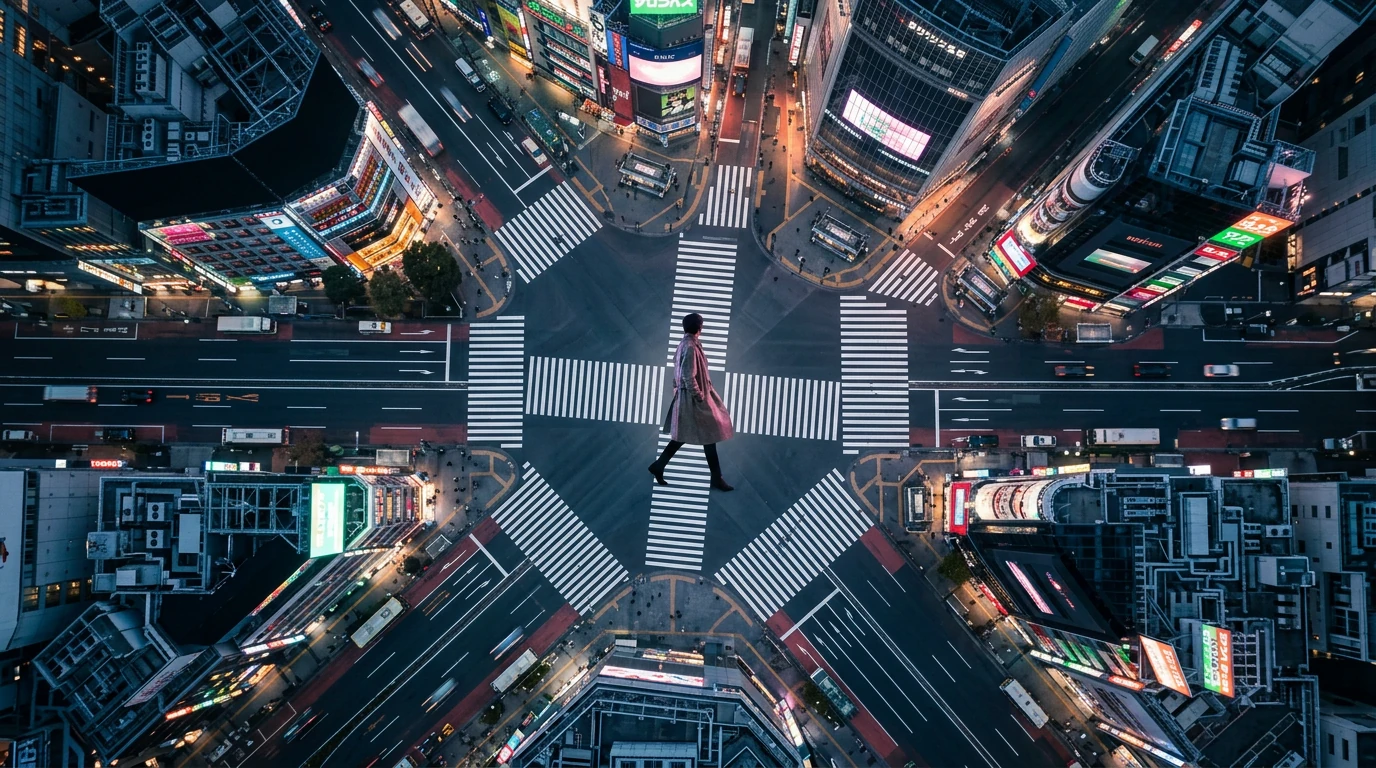
Forget everything you thought you knew about celebrity style. The era of waiting for a major awards show to see what’s next in fashion is officially obsolete. Influence is no longer a top-down decree from a perfectly lit red carpet. It’s a chaotic, direct-to-consumer feed of curated “authenticity” that has completely rewritten the rules of engagement. What most people miss is how this shift has turned celebrities from fashion plates into powerful media platforms, with A-list names driving trends faster than any runway show ever could.
The power has moved from the institution to the individual. It’s that simple.
Anúncios
This new model thrives on a perception of relatability, even when it’s meticulously crafted. Think of the old system as a formal, prix-fixe dinner; the new one is a sprawling, unpredictable potluck where a viral TikTok video of a celebrity’s closet tour holds more sway than a magazine editorial. A report from Edited, a retail market intelligence platform, found that micro-trends originating from celebrity social media can see a 1,200% spike in search interest within 48 hours. This ecosystem rewards immediacy and the illusion of a peek behind the curtain.
From Red Carpet Glam to Everyday Aesthetics
The transition from untouchable glamour to a more grounded style narrative marks the most significant change. While red carpet moments still generate headlines, the real influence now lies in the seemingly casual—the airport outfit, the coffee run, the “photo dump” on Instagram. These moments are designed to feel unstyled, providing a blueprint for elevating everyday fashion that followers can actually emulate. It’s a calculated performance of normalcy.
Celebrities like Hailey Bieber have become masters of this, launching micro-trends like “strawberry girl summer” from their own social channels, bypassing traditional media entirely. But is this newfound “authenticity” just a more insidious form of marketing? We see them launching skincare lines, fashion collections, and lifestyle brands built on this carefully constructed personal brand — it’s less about wearing clothes and more about selling an entire aesthetic. The ultimate goal, I suspect, is not just to influence trends but to own them, creating a closed loop of content and commerce that makes their personal style the product.
Anúncios
This creates a complex challenge for consumers trying to navigate what’s new and what’s simply a well-marketed product placement. The line has blurred, perhaps permanently.
Key Aesthetics Dominating Celebrity Wardrobes Now
As celebrities master the art of personal branding, their clothing choices have evolved from simple endorsements to refined visual languages. The overt logomania that defined a previous era has given way to more nuanced and curated aesthetics. These looks are less about the brand you’re wearing and more about the story you’re telling. Three distinct styles currently define the A-list sartorial world.
Quiet Luxury: The Understated Power
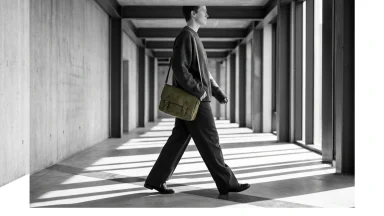
The most talked-about shift in high fashion is the pivot to quiet luxury. This aesthetic is the direct antithesis of logo-heavy streetwear, focusing instead on impeccable tailoring, sumptuous fabrics, and anonymous, high-quality pieces. It’s a style that communicates wealth through cut and material rather than a visible brand name. Think of it as upgrading from a flashy sports car to a vintage, perfectly restored sedan—both are expensive, but only one requires a discerning eye to appreciate its full value.
What most people miss is that this isn’t about being bland; it’s about confidence. According to data from The Lyst Index, searches for unbranded leather handbags and generic terms like “cashmere crewneck” have spiked over 40% in recent quarters. Celebrities like Sofia Richie Grainge and Gwyneth Paltrow have become the poster children for this movement, showcasing that true luxury doesn’t need to scream for attention.
Key Pieces and Brands
To capture this look, the focus is on timeless silhouettes and investment pieces. We’re seeing a surge in perfectly tailored trousers, neutral-toned silk blouses, and structured wool coats. The color palette is muted, dominated by shades of beige, cream, navy, and black. For those looking to invest, brands like The Row, Loro Piana, and Brunello Cucinelli are the go-to names, offering items that are built to last a lifetime, not just a season. The goal is to build a wardrobe so cohesive that almost any combination works, a core principle of elevating everyday fashion with smart choices.
Eclectic Maximalism: Bold Statements
On the complete opposite end of the spectrum lies eclectic maximalism. This is a joyful, chaotic, and deeply personal celebration of fashion that rejects minimalism entirely. Celebrities like Harry Styles and Florence Pugh champion this look, clashing prints, piling on accessories, and embracing silhouettes that take up space. It’s a deeply personal style that feels curated by an individual, not a stylist—even when a stylist is involved.
Is this organized chaos or just a random assortment of clothes? The answer lies in the execution. The underrated factor here is the confidence required to pull it off. This aesthetic is less about following trends and more about creating them, reflecting a broader shift in how celebrities are driving current fashion trends on their own terms.
Mixing Patterns and Textures
The key to successful maximalism is a fearless approach to combination. A typical outfit might involve mixing a vintage floral dress with a modern, oversized plaid blazer, finished with metallic boots and a beaded handbag. Designers like Alessandro Michele during his tenure at Gucci and, more recently, Harris Reed have provided the foundational pieces for this look. It’s about creating visual interest through contrast—velvet with denim, sequins with tweed, and neon with earth tones (and yes, sometimes it looks like they got dressed in the dark, but that’s part of the audacious charm).
The Rise of ‘Vintage Reimagined’
A third powerful trend is the growing obsession with vintage reimagined. This isn’t just about wearing old clothes; it’s about celebrities and their stylists digging into designer archives to pull iconic, often forgotten, pieces for red carpet appearances. Zendaya, styled by Law Roach, has made this her signature, appearing in archival looks from Versace, Valentino, and Bob Mackie. Similarly, Bella Hadid has frequently worn museum-worthy pieces from Jean Paul Gaultier’s past collections.
This trend serves two purposes.
First, it offers a powerful sustainability statement in an industry often criticized for its waste—a Boston Consulting Group report highlighted that the resale market is growing 11 times faster than traditional retail. Second, it creates a unique fashion moment that can’t be easily replicated. When a celebrity wears an archival piece, they are not just wearing a dress; they are engaging in a conversation with fashion history. This approach blurs the line between past and present, creating a new definition of what it means for fashion to be timeless.
A performance look is about world-building. It’s not meant for the audience to copy piece-for-piece, but to absorb the fantasy and associate that star with a certain aesthetic.
— Marco Verdi, Celebrity Stylist
| Aesthetic | Core Philosophy | Key Celebrities | Defining Pieces |
|---|---|---|---|
| Quiet Luxury | Communicating wealth through impeccable quality, tailoring, and materials, not logos. | Sofia Richie Grainge, Gwyneth Paltrow | Unbranded leather bags, cashmere sweaters, tailored trousers, neutral silk blouses. |
| Eclectic Maximalism | A joyful, personal expression through clashing prints, bold colors, and varied textures. | Harry Styles, Florence Pugh | Vintage floral dresses, oversized plaid blazers, metallic boots, statement accessories. |
| Vintage Reimagined | Using archival, museum-worthy designer pieces to create unique, historically-aware fashion moments. | Zendaya, Bella Hadid | Archival gowns from Versace, Valentino, and Jean Paul Gaultier; rare designer items. |
Street Style vs. Stage Style: The Dual Impact
One outfit is for the show; the other is for you. Celebrities operate on two distinct fashion battlegrounds: the carefully orchestrated spectacle of the stage and red carpet, and the seemingly candid sidewalk runway. The underrated factor here is how these two worlds, while appearing separate, work together to shape the entire fashion ecosystem. Each has a unique power over what you see in stores and what you decide to wear.
The Unfiltered Influence of Off-Duty Looks
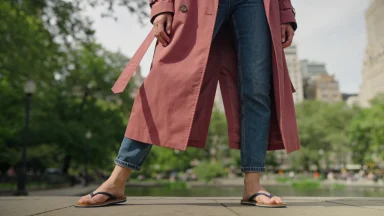
A celebrity snapped grabbing coffee in jeans and a trench coat often has more direct sales impact than one in a custom gown. This is the power of celebrity street style. It feels attainable, authentic, and provides a direct blueprint for elevating everyday fashion. When a star wears a specific pair of sneakers or a handbag, the message is clear: this is what cool looks like in real life. The result is an immediate commercial reaction. This isn’t just a feeling; the data backs it up. A recent analysis from Lyst shows that “paparazzi-style” product placements can see a search-demand spike of up to 120% within 48 hours. It’s about relatability. Seeing a style icon in an off-the-rack blazer makes that item feel accessible, creating a powerful link between admiration and purchase. The entire phenomenon confirms how celebrities drive current fashion trends through these seemingly casual moments.
Performance Outfits: Setting Avant-Garde Tones
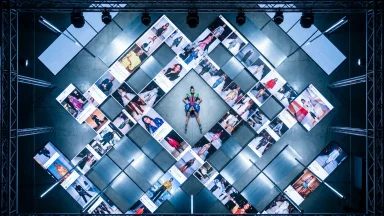
If street style is a direct conversation with the consumer, then performance fashion is a broadcast to the entire industry. These are the avant-garde, often theatrical looks from concerts, tours, and major awards shows. Think of them as high-concept fashion shows with a single model. Their purpose isn’t to sell a specific garment but to establish a mood, push boundaries, and create iconic cultural moments. These outfits are pure aspiration. According to celebrity stylist Marco Verdi, “A performance look is about world-building. It’s not meant for the audience to copy piece-for-piece, but to absorb the fantasy and associate that star with a certain aesthetic.” This is why a show-stopping tour wardrobe or an unforgettable Met Gala look—let’s be honest, no one is wearing these to the office—is so influential. They trickle down, inspiring fast-fashion collections and setting the broader tones for seasonal trends without ever needing to be wearable themselves. The real question is, as social media continues to blur the lines between public and private life, will these two distinct styles eventually merge into one?
Sustainability and Ethics in Celebrity Fashion Choices
Hollywood’s biggest flex isn’t a new diamond—it’s an old dress. The conversation around fashion is shifting from “who are you wearing?” to “what does your outfit stand for?” This move towards sustainable fashion isn’t just a niche trend; it’s becoming a core part of the celebrity playbook, signaling a deeper awareness of the industry’s environmental and ethical footprint. Stars are using their massive platforms to spotlight conscious consumption. It’s a powerful statement. This change represents a significant pivot from the fast-fashion cycle that once dominated red carpets and street style. Instead of a constant parade of brand-new, custom-made pieces, we are seeing a deliberate and public embrace of more responsible choices. The data supports this shift; a report from the Boston Consulting Group noted that 67% of consumers consider a brand’s use of sustainable materials an important purchasing factor, a figure heavily influenced by celebrity endorsements.
Re-wearing and Upcycling: A New Standard
The taboo of being photographed in the same outfit twice is officially dead. Celebrities like Cate Blanchett and Tiffany Haddish have made headlines by re-wearing archival or previous-season gowns to major award shows, a move that would have been unthinkable a decade ago. This isn’t about saving money; it’s a calculated move to normalize outfit repetition and challenge the culture of disposability that plagues the fashion world. It’s like your friend who brings their own coffee cup to the cafe—a small act that, when done by someone famous, sends a massive signal. This practice extends beyond simple re-wears into the creative realm of upcycling. Designers are now tasked with reimagining existing pieces, giving them a second life on the red carpet. The underrated factor here is the storytelling element. An upcycled gown isn’t just a dress; it’s a narrative about value, craftsmanship, and resourcefulness, challenging the very definition of what’s considered “new.” This approach completely reframes how celebrity women are shaping today’s fashion.
Impact on Consumer Behavior
When a celebrity repeats an outfit, it does more than just generate press. It gives millions of followers implicit permission to do the same. This direct line to consumer psychology is incredibly potent. The message is clear: value what you own, and don’t be afraid to love your clothes for more than one season. It’s a powerful counter-narrative to the relentless marketing of newness. The ripple effect is undeniable. Search interest for terms like “vintage couture” and “sustainable brands” spikes after major red carpet events where these choices are highlighted. What most people miss is how this subtly shifts mass-market expectations, creating demand for brands with better ethical practices. It’s a slow-burn revolution, but the data suggests that the A-list influence on fashion trends is a key driver in pushing consumers toward more conscious shopping habits.
Championing Eco-Conscious Brands
Beyond their own closets, stars are increasingly acting as powerful advocates for smaller, ethical labels. An endorsement from an A-lister can put an unknown sustainable brand on the global map overnight. This is where celebrity influence becomes a powerful tool for economic change, diverting capital and attention away from established giants toward companies built on ethical supply chains and eco-friendly materials. Actors like Emma Watson have long championed this cause, meticulously documenting the sustainable credentials of every piece she wears. This level of transparency sets a high bar. It forces brands to be accountable and gives consumers the tools to make informed decisions. It’s not just about looking good; it’s about backing brands that are actively trying to do good — a core principle for anyone interested in elevating their everyday fashion with smart choices.
Navigating ‘Greenwashing’ Criticisms
Of course, this shift isn’t without its problems. The rise of conscious consumerism has also led to a surge in “greenwashing,” where brands—and the celebrities they partner with—make misleading claims about their environmental credentials. Is a fast-fashion brand “conscious” just because it released one collection made from recycled polyester? The skepticism is warranted. Critics argue that some celebrity endorsements are performative, serving more as a PR move than a genuine commitment to the cause. This puts the onus on the public and media to scrutinize these partnerships. Discerning genuine advocacy from a paid sponsorship is one of the biggest challenges when navigating the complexities of current fashion trends. The line between authentic support and a carefully crafted marketing campaign can be incredibly thin, leaving the future of this movement dependent on continued transparency and accountability.
Translating Celebrity Trends to Your Wardrobe
Stop trying to copy celebrity outfits. The real goal is to borrow their confidence, not their exact clothes. While the A-list influence on fashion is undeniable, simply mimicking a red carpet look often feels disconnected from real life. True personal style is about adaptation, not imitation. It’s about seeing a trend and asking how it can serve you.
Before you buy into a new trend, run it through a quick mental filter. Ask yourself: does this genuinely work for my body type, my daily routine, and—most importantly—my budget? A recent report from the Fashion Institute of Technology found that 68% of consumers feel more satisfied when they adapt a trend rather than copying it wholesale. This isn’t about restriction; it’s about making smart choices that build a better wardrobe over time.
Think of it like adjusting a recipe. A celebrity might rock a completely sheer top, but you can capture that same vibe with a partially sheer blouse or a top with lace inserts. This process of redefining everyday fashion allows you to participate in the moment without sacrificing your own identity. The key is to isolate the element you love—is it the color, the silhouette, or the texture?—and find a version that feels authentic to you.
The underrated factor here is that personal comfort translates directly to confidence. You can’t feel powerful in an outfit you’re constantly adjusting. The most effective way of navigating the latest styles is by cherry-picking elements that enhance what you already have, creating a look that is uniquely and unapologetically yours.
Beyond the Trend: Whose Story Are You Buying?
As the lines between personal style, refined marketing, and ethical signaling continue to blur, the ultimate challenge for the consumer is no longer simply ‘What should I wear?’ but ‘Whose story am I buying into?’ The real shift isn’t from one aesthetic to another, but in the responsibility placed upon the audience to see past the performance. As every outfit becomes a statement of personal branding and moral alignment, the future of fashion may depend less on the vision of designers and more on our collective answer to that very question.
Frequently Asked Questions
How quickly do celebrity fashion trends influence mainstream style?
The influence is incredibly rapid, often taking hold within days. Thanks to social media and the 24/7 news cycle, a single celebrity post or paparazzi photo can cause search interest for a specific item to spike by over 1,000% within 48 hours, with fast-fashion retailers often replicating the look in weeks.
Which celebrities are currently considered the biggest style trendsetters?
Different celebrities lead different aesthetic movements. Sofia Richie Grainge champions ‘quiet luxury,’ while Zendaya is the face of ‘vintage reimagined.’ Meanwhile, figures like Hailey Bieber master everyday street style, and stars like Harry Styles push the boundaries with ‘eclectic maximalism’.
Are celebrity fashion trends accessible for an average budget?
While the exact luxury pieces worn by celebrities are often unattainable, the aesthetics and silhouettes they popularize are highly accessible. Mainstream and fast-fashion brands quickly translate these trends—like the cut of a blazer or a color palette—into affordable versions for the general public.
How can I identify genuine celebrity sustainable fashion choices?
Look for specific, consistent actions rather than vague claims. Genuine efforts include publicly re-wearing outfits to major events, highlighting small and verified sustainable brands, and wearing archival or vintage pieces. Transparency from the celebrity or their stylist about a garment’s origins is a key indicator.
What is the difference between ‘quiet luxury’ and ‘minimalism’ in celebrity fashion?
Though they appear similar, ‘quiet luxury’ is about displaying wealth through exceptionally high-quality, unbranded materials and perfect tailoring. Minimalism, is a broader aesthetic focused on simplicity and clean lines that can be achieved at any price point and is not necessarily tied to expensive materials.