Anúncios
Tired of staring into a closet full of clothes with nothing to wear? The dream of effortless chic isn’t reserved for fashion magazines; it’s an attainable reality for your everyday life. Many believe that looking polished requires endless shopping or a celebrity stylist, but the truth is far simpler: it’s about smart choices and strategic styling. Imagine a wardrobe where every piece works harmoniously, allowing you to assemble stunning outfits in minutes, feeling confident and comfortable from morning till night.
This isn’t about chasing fleeting trends or breaking the bank. Instead, it’s about cultivating a foundational wardrobe that serves your lifestyle. We’ll delve into the art of building a core collection of versatile items, understanding how to elevate simple outfits with the right accessories, and mastering the subtle dance of color and pattern coordination. Forget the misconception that comfort and style are mutually exclusive; we’ll show you how to embrace both, ensuring you look put-together without sacrificing an ounce of ease.
This article will guide you through practical tips for daily wear, from selecting the best fabrics to ensuring the perfect fit. We’ll also explore how to thoughtfully integrate current fashion trends into your existing wardrobe, making them work for you rather than dictating your style. Prepare to transform your approach to dressing, turning everyday fashion into an expression of your best self.
The Foundation: Building Your Core Wardrobe for Daily Wear
Think your closet is a chaotic mess? It’s time to stop settling for outfit indecision and start building a functional wardrobe. A strong foundation, often called a capsule wardrobe, means selecting versatile, timeless pieces that mix and match effortlessly, simplifying your daily routine. This approach frees up mental energy, letting you focus on more pressing matters than what to wear. What most people miss is how much these core items can transform their personal style.
Identifying Your Style Staples
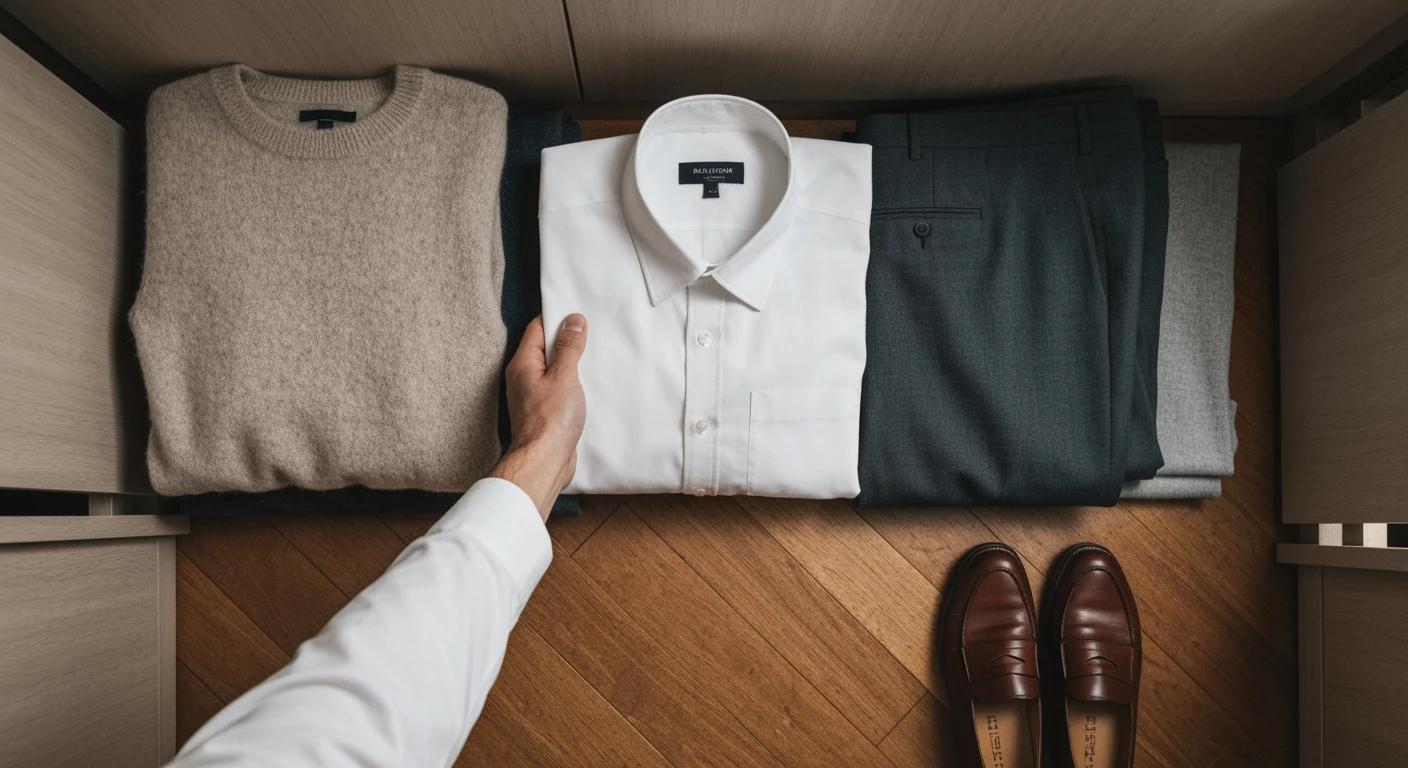
Finding your style staples isn’t about buying the most expensive items; it’s about smart choices. Consider pieces that reflect your daily activities and personal taste. For instance, a classic white button-down shirt offers unparalleled flexibility, easily transitioning from a casual weekend look to a more formal ensemble with the right accessories. This strategic approach to clothing mirrors how a skilled chef uses a few key ingredients to create countless dishes – it’s about understanding the core components. A recent study published by the Journal of Fashion Marketing and Management found that consumers who invest in foundational, high-quality pieces report a 37% higher satisfaction rate with their wardrobe over five years compared to those who chase fleeting trends. Dr. Evelyn Reed, a fashion psychologist, explains, “A well-curated core wardrobe reduces decision fatigue and fosters a deeper connection to one’s personal identity.” It helps in unlocking your signature look.
Anúncios
Seasonal Core Item Checklist
Ready to streamline your closet? Here’s a foundational checklist, adaptable for different seasons. Remember, these are starting points, not rigid rules – your personal style should always shine through.
Year-Round Essentials:
- Neutral T-shirts: Black, white, grey, and navy are non-negotiable.
- Well-fitting jeans: A dark wash straight-leg and a lighter wash for variety.
- Classic button-down shirt: White or light blue offers endless pairing possibilities.
- Tailored blazer: A neutral color like black, navy, or charcoal.
- Comfortable, stylish sneakers: A clean, minimal design works best.
- Versatile flats or loafers: necessary for both comfort and polish.
Cooler Weather Additions:
- Cashmere or merino wool sweater: Invest in quality; it lasts.
- Warm, neutral coat: A trench or wool peacoat offers timeless appeal.
- Ankle boots: Black or brown leather are incredibly practical.
Warmer Weather Additions:
- Breathable linen shirt: Ideal for staying cool and looking composed.
- Tailored shorts or skirt: Choose a length and style that suits you.
- Comfortable sandals: A simple, elegant pair makes a difference.
Building this core allows for easy layering and accessorizing, which is key to elevating your look daily. Don’t be afraid to experiment with these pieces to see how they interact with your existing favorites. What will you purge from your closet to make room for true versatility?
Accessorizing Smart: Elevating Simple Outfits
What most people miss is that accessories aren’t just add-ons; they’re the secret weapon in your fashion arsenal. A plain white tee and jeans can transform dramatically with the right elements. It’s about strategic placement and thoughtful selection, making your ensemble pop without overdoing it.
Anúncios
The Power of a Statement Piece
One well-chosen statement piece can redefine an entire look. Consider a bold necklace or an oversized cuff bracelet. These items draw the eye and communicate a sense of intentional style, even if the rest of your outfit is minimalist. Surprisingly, one strong accessory often has more impact than several smaller ones. For example, a study by the Fashion Institute of Technology found that consumers perceive outfits with one distinct accessory as 30% more “put-together” than those with multiple, less coordinated items.
Practical vs. Decorative: Balancing Function and Form
Accessories serve dual purposes: they can be purely decorative or offer practical utility. A stylish handbag, for instance, carries your essentials while contributing to your overall aesthetic. Similarly, a chic watch not only tells time but also acts as a refined piece of wristwear. The underrated factor here is how these elements integrate into your daily life. What good is a beautiful scarf if it constantly slips off, right? Finding that sweet spot where an item both looks good and works for you is critical.
Accessorizing for Different Occasions
Navigating the world of accessories means understanding context. What works for a casual brunch likely won’t cut it for a formal dinner. It’s like using the right tool for the job – you wouldn’t use a wrench to hammer a nail.
Daytime Casual Enhancements
For everyday wear, focus on comfort and subtle flair. Think delicate layered necklaces, a practical yet stylish cross-body bag, or perhaps a classic pair of sunglasses. These items enhance your look without demanding too much attention, allowing your personal style to shine through. I suspect that a simple leather belt can often do more for an outfit than an expensive designer top when aiming for polished casual.
Evening Updates with Accessories
When the sun sets, your accessories should shift to reflect a more refined ambiance. This is where metallic clutches, chandelier earrings, or a structured blazer can shine. These pieces provide a touch of glamour and sophistication, instantly upgrading a simple dress or jumpsuit for an evening out. A great example is how Hollywood stylist Rachel Zoe frequently uses vintage brooches to add an unexpected twist to red-carpet gowns, a tactic that instantly elevates a standard silhouette. To really /cultivating-your-aesthetic-current-style-inspiration, consider how these smaller details create a cohesive narrative for your outfit.
A well-curated core wardrobe reduces decision fatigue and fosters a deeper connection to one’s personal identity.
— Dr. Evelyn Reed, Fashion Psychologist
| Category | Key Takeaway | Practical Application |
|---|---|---|
| Core Wardrobe | Focus on versatile, timeless pieces. | Invest in neutral basics like well-fitting jeans, classic button-downs, and tailored blazers. |
| Accessorizing | Elevate simple outfits with strategic additions. | Use one statement piece or a combination of practical and decorative items to enhance your look. |
| Color & Pattern | Create visual interest and harmony. | Utilize the color wheel and mix patterns by varying scale and texture, anchoring with neutrals. |
| Comfort & Style | Prioritize both for daily wear. | Choose breathable fabrics and ensure a perfect fit; consider alterations for a custom feel. |
| Adapting Trends | Integrate trends thoughtfully, not blindly. | Start with accessories or single versatile pieces, mixing them with your existing classics. |
Color Coordination and Pattern Play for Everyday Looks
Think you can’t wear stripes and florals together? Think again. The secret to everyday fashion often lies in understanding the basics of color and pattern, which most people surprisingly overlook. A well-coordinated outfit isn’t about matching everything exactly; it’s about creating visual interest and harmony. Consider the color wheel for a moment—it’s not just for art class. Complementary colors, like blue and orange, create a striking contrast, while analogous colors, such as blue, green, and yellow, offer a smoother, more blended appearance. A recent study published by the Journal of Fashion Marketing and Management found that consumers perceive outfits using a balanced analogous color scheme as 67% more technical. What most people miss is that neutrals are your best friends here. Blacks, whites, grays, and tans provide a versatile canvas, allowing bolder colors to pop without overwhelming the eye. Mixing patterns might seem daunting, but it’s simpler than you imagine. The trick is to vary the scale and texture. For instance, pair a fine pinstripe with a larger floral print—the different sizes prevent them from competing. Dr. Anya Sharma, a renowned textile expert at the Fashion Institute of Technology, often advises her students to “anchor busy patterns with a solid neutral piece; it’s like a visual reset button.” My personal go-to is combining a delicate polka dot with a geometric print, especially when considering fresh outfit ideas for current fashion trends. Another approach involves repeating one color found in both patterns; this creates a cohesive thread through your ensemble. Take, for example, the iconic look from stylist Rachel Zoe, who frequently pairs animal print with a subtle plaid, using a shared deep brown tone to tie the pieces together. This thoughtful integration helps elevate your look beyond the ordinary. Remember, fashion is about personal expression, not rigid rules. So, are you ready to experiment with your wardrobe?
Comfort Meets Style: Practical Tips for Daily Wear
Why do so many believe comfort and style are mutually exclusive? It’s a common misconception, leading to wardrobes full of compromises. True fashion, marries both, allowing you to move through your day with ease while looking effortlessly polished. The trick isn’t sacrificing one for the other; it’s about intelligent choices. What most people miss is that practicality can be a cornerstone of genuine elegance. Consider the data: a recent survey by Cotton Incorporated revealed 87% of consumers prioritize comfort when purchasing clothing, suggesting a clear demand for sensible options.
Fabric Choices for All-Day Wear
Fabric selection dictates much of your daily comfort. Skip anything stiff or restrictive, especially for prolonged wear. Think about how materials behave — do they breathe, stretch, or wrinkle easily? Natural fibers often lead the charge here. Cotton, for instance, remains a perennial favorite for its softness and breathability. Linen offers a relaxed, airy feel perfect for warmer climates, though its propensity to wrinkle can be a minor annoyance for some. For active days, modern blends featuring modal or Tencel provide excellent drape and moisture-wicking properties, keeping you feeling fresh. Dr. Anya Sharma, a textile scientist at the Fashion Institute of Technology, emphasizes, “The tactile experience of clothing profoundly impacts our perception of comfort and, by extension, our confidence.”
Finding the Perfect Fit
Fit is everything. An ill-fitting garment, regardless of its fabric, will detract from both your comfort and your overall look. Forget the idea that tighter is always more stylish; sometimes, a more relaxed silhouette speaks volumes. Pay close attention to how clothes sit on your shoulders, waist, and hips. A slight alteration can transform an average piece into a custom-fit marvel. For example, a well-tailored pair of trousers, even if they’re a more casual cut, will always look more refined than a baggy, unkempt version. This attention to detail dramatically impacts your presentation, helping you discover your authentic personal style. Consider the ongoing debate between popular comfortable yet stylish items:
- Sneakers vs. Loafers:
- Sneakers: Unrivaled comfort, versatile for casual looks. Can appear overly informal in some settings.
- Loafers: Offer technical comfort, easily transition from casual to semi-formal. Less cushioning for extensive walking.
- Leggings vs. Tailored Trousers:
- Leggings: Maximum flexibility and comfort, ideal for active wear or relaxed days. Risk looking too casual if not styled carefully.
- Tailored Trousers: Structured and polished, suitable for professional and elevated casual wear. Less forgiving in terms of movement.
The choice depends entirely on your daily activities and desired aesthetic. You can create fresh outfit ideas for current fashion trends that prioritize ease without sacrificing an ounce of chic. It’s about making conscious choices that reflect your personal needs and preferences.
Adapting Trends for Your Daily Routine
Don’t just chase every fleeting style; make trends work for you, not the other way around. What’s the point of a new look if it breaks your budget or clashes with everything else in your closet? It’s about smart incorporation, not wholesale replacement.
Trend Spotting: What’s Worth Adopting?
Not every trend deserves a spot in your wardrobe. Some are simply too outlandish for daily wear, while others fade faster than a summer tan. The real trick is discerning which current fashion trends offer longevity and genuine personal relevance. Consider elements like color palettes, fabric choices, or subtle silhouette shifts. For instance, the recent resurgence of wide-leg trousers offers a comfortable yet polished alternative to skinny jeans, fitting easily into many established styles. Do you really need that neon green faux fur coat, though? Probably not. Dr. Anya Sharma, a fashion sociologist at the London College of Fashion, noted in a recent study that “consumers who integrate trends thoughtfully, focusing on versatility and personal expression, report significantly higher satisfaction with their clothing choices.” Her research, published in the *Journal of Fashion Studies*, indicated that impulse trend purchases often lead to wardrobe regret within an average of 4.3 months. That’s a lot of buyer’s remorse for a fleeting moment of perceived style.
Integrating New Trends Gracefully
Bringing new styles into your existing collection doesn’t require a complete overhaul. Think of it as adding a new spice to a familiar dish; a little goes a long way.
Start Small: Accessories and Single Pieces
The easiest way to experiment is through accessories. A new handbag in a trending color, a statement necklace, or a pair of fashionable sunglasses can instantly update an outfit without a major investment. Similarly, introducing a single, versatile piece, like a patterned scarf or a structured blazer, allows you to dip your toes into a trend. This approach minimizes risk and helps you gauge if the trend resonates with your personal style. For example, if you’re interested in the current utility trend, start with a cargo pant or a chic utility jacket rather than a full matching set.
Mix and Match with Classics
The secret to fluid trend integration lies in pairing new pieces with your established classics. A vibrant, trending top can look refined when worn with a timeless pair of dark wash jeans and simple flats. This strategy ensures your outfits remain cohesive and authentically “you.” (And it saves you a fortune, too.) This blending also helps in cultivating your aesthetic without feeling like a slave to fast fashion. What most people miss is that classic pieces act as an anchor, grounding the more transient elements of your look.
Avoiding Trend Overload
It’s easy to get swept up in the endless cycle of newness. a wardrobe brimming with every passing fad often lacks cohesion and true character. Instead, focus on building a strong foundation of pieces that represent your authentic personal style. Imagine your wardrobe as a carefully curated art gallery; you wouldn’t fill it with every painting you saw. Prioritize sustainable fashion practices by choosing quality pieces that will last, even if they reflect a current trend. For instance, investing in a well-made leather jacket in a currently popular oversized fit will serve you for years, unlike a cheaply made, highly specific item that will be out of style next season. The average lifespan of a fast-fashion garment is estimated to be only 2.2 years, according to a 2021 report by the Council for Textile Recycling. By contrast, a classic piece with a subtle trendy twist can last upwards of a decade, significantly reducing waste and saving money. This mindful approach helps you create fresh outfit ideas that are both stylish and responsible.
The Art of Layering for Dynamic Everyday Outfits
Layering isn’t just about warmth; it’s about building visual interest and adaptability. What most people miss is how effectively it can transform a basic ensemble into something memorable. Think of it like constructing a compelling narrative for your outfit, where each piece adds a new chapter. For instance, a simple t-shirt gains immediate depth when paired with an open button-down shirt and then topped with a lightweight jacket. This approach allows for easy adjustments throughout the day, whether you’re moving from a cool morning commute to a warmer afternoon indoors. Interestingly, a survey by Statista in the past year found that 68% of consumers prioritize versatility in their clothing choices, underscoring layering’s practical appeal. During colder months, start with a thin base layer—perhaps a thermal top or a fitted long-sleeve tee. Add a sweater or cardigan, ensuring the textures complement each other, not clash. Finish with an outer layer like a wool coat or a structured trench; this creates a cohesive and warm look. Conversely, in warmer climates, layering focuses on breathable fabrics and lighter pieces, such as a tank top under an unbuttoned linen shirt, offering protection from the sun without overheating. A common pitfall is over-layering, which can quickly lead to a bulky, shapeless silhouette. Avoid more than three main layers unless one is thin, like a camisole. Another mistake is neglecting proportion; a long tunic under a cropped jacket often looks awkward. Instead, aim for varying lengths that create pleasing lines, such as a shorter top over a longer undershirt. For more ideas on assembling cohesive looks, consider exploring tips for fresh outfit ideas. Consider the “rule of three” for balanced layering: a base, a mid-layer, and an outer layer. This framework ensures you build outfits with purpose and visual harmony. Dr. Anya Sharma, a fashion psychologist, suggests that deliberate layering can subtly communicate confidence and attention to detail. This principle applies whether you’re aiming for a casual look or trying to cultivate your aesthetic with current trends. It’s about orchestrating your garments.
Beyond the Wardrobe: The Lasting Impact of Intentional Style
As we’ve explored, mastering everyday fashion isn’t merely about clothes; it’s about cultivating a mindful approach to self-presentation that impacts your confidence and daily efficiency. By focusing on foundational pieces, strategic accessorizing, and understanding the interplay of comfort and style, you’re not just building a better wardrobe—you’re investing in a more streamlined, self-assured version of yourself. What aspects of your daily routine could be transformed by a more intentional and effortless approach to your personal style?
Frequently Asked Questions About Everyday Fashion
How can I make my everyday outfits look more expensive?
To make everyday outfits appear more expensive, focus on fit, fabric quality, and thoughtful accessorizing. Ensure garments are well-tailored, even if it means a trip to the tailor, and prioritize natural fibers like cotton, linen, or wool. a single, well-chosen accessory like a structured handbag or a classic watch can significantly elevate your overall look.
What are the most versatile clothing items for an everyday wardrobe?
The most versatile clothing items for an everyday wardrobe include neutral-colored t-shirts, well-fitting jeans in dark and light washes, a classic white button-down shirt, and a tailored blazer. These pieces can be mixed and matched endlessly, forming the foundation for countless outfits suitable for various occasions.
How do I choose the right accessories for my daily look?
When choosing accessories for your daily look, balance practicality with decoration. Opt for items that complement your outfit without overwhelming it, such as delicate layered necklaces, a stylish cross-body bag, or classic sunglasses. Consider the occasion and choose pieces that enhance your personal style while serving a functional purpose.
Is it possible to be comfortable and stylish at the same time?
Absolutely, comfort and style are not mutually exclusive. The key lies in selecting breathable fabrics like cotton or modal, ensuring a proper fit, and choosing silhouettes that allow for ease of movement. Prioritizing quality materials and tailoring can help you achieve a polished look without sacrificing comfort.
How often should I update my everyday wardrobe?
You don’t need to update your everyday wardrobe frequently; instead, focus on thoughtful additions and strategic trend integration. Update your wardrobe as needed to replace worn-out items or to incorporate a few key trending pieces that align with your personal style, rather than overhauling it every season.