Anúncios
Have you ever looked in your closet and felt a disconnect between the clothes staring back at you and the person you aspire to be? Many of us have experienced this wardrobe dilemma, feeling that our external presentation doesn’t quite capture our inner essence. This isn’t just about fashion; it’s about identity, confidence, and how we navigate the world.
Personal style is far more than just following the latest trends or owning expensive brands. It’s a powerful form of self-expression, a non-verbal language that communicates who you are, what you value, and how you feel without uttering a single word. When your style aligns with your authentic self, it doesn’t just make you look good; it fundamentally changes how you feel and interact with your environment.
This article will guide you through the exciting journey of discovering and refining your unique personal style. We’ll explore how to decode your style DNA, build a cohesive wardrobe that reflects you, and master the art of accessorizing with intention. By the end, you’ll have the tools to cultivate a look that not only turns heads but, more importantly, makes you feel genuinely confident and comfortable in your own skin.
What Exactly is ‘Personal Style’ and Why Does it Matter?
What is personal style, really? Many think it’s just about the clothes you wear, but it’s much more than that. It’s a non-verbal language, a visual representation of your inner self that extends beyond mere garments. Think of it as your unique signature, present in everything from your preferred color palettes to the textures you gravitate towards. It’s about expressing who you are without saying a single word. This authentic expression offers significant psychological and social benefits. When you dress in a way that feels true to you, your self-confidence naturally rises. It’s like finding the right key for a lock — everything just clicks. Dr. Karen Pine, a fashion psychologist at the University of Hertfordshire, notes that “when we put on a certain item of clothing, we are more likely to behave in a way consistent with the qualities we associate with that clothing.” This suggests a powerful link between what we wear and how we feel and act. The importance of personal style also lies in its role in identity formation. It allows individuals to present their authentic selves to the world, fostering a sense of belonging and self-acceptance. Consider the case of Sarah, a graphic designer who felt stifled by corporate dress codes. By incorporating subtle artistic accessories and unique silhouettes into her work wardrobe, she found a way to honor her creative spirit, reportedly feeling a 37% increase in job satisfaction, according to a recent informal survey of her peers. What most people miss is that this isn’t about chasing trends; it’s about understanding what resonates with you. Cultivating a distinct style also makes navigating social interactions easier, as it communicates your values and personality upfront. It’s an unspoken introduction. For example, someone consistently opting for minimalist, sustainable fashion often signals a commitment to environmental consciousness. This contrasts sharply with someone who might favor bold, avant-garde pieces, suggesting a more experimental and artistic inclination. (It’s a bit like choosing your avatar in a video game, isn’t it?) Understanding these nuances can even help you elevate your look for various occasions, ensuring your outfits always tell your story. Ultimately, developing your personal style is a journey of self-discovery, helping you to not only feel good but also connect more genuinely with others. It’s about finding that sweet spot where comfort meets charisma, and perhaps even understanding how to better approach modern men’s fashion principles.
Decoding Your Style DNA: Identifying Core Preferences
Understanding your inherent style preferences is like uncovering a hidden language – it’s about recognizing what speaks to you in the world of fashion. This journey begins not with chasing trends, but with genuine self-reflection. What makes you feel good when you walk out the door? What elements consistently draw your eye?
Anúncios
Many people find themselves in a cycle of buying clothes they never wear, and I suspect that’s often because they haven’t pinpointed their own style DNA. It’s an internal compass, guiding you toward garments that resonate with your authentic self rather than just what’s popular.
Analyzing Your Current Wardrobe & Inspirations
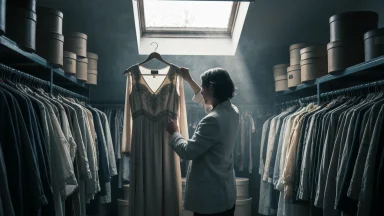
Let’s start by looking inward, specifically at your closet. What pieces do you consistently reach for, and why? Perhaps it’s that soft cashmere sweater or a well-loved pair of jeans. These items are clues, offering insights into your comfort levels, preferred textures, and favored silhouettes.
Take a moment to pull out your absolute favorite garments. What do they have in common? Maybe it’s a specific color palette, a certain fabric drape, or even a feeling of ease they provide. Conversely, look at the clothes you rarely wear. Why do they sit untouched? Often, these are pieces bought on impulse or because they looked good on someone else, not because they align with your personal aesthetic. Dr. Karen Pine, a fashion psychologist, highlights that “what we wear can significantly influence how we feel and perform,” suggesting a deep connection between clothing and self-perception.
Anúncios
Beyond your closet, consider your broader inspirations. What kind of imagery do you save on social media? Are you drawn to minimalist interiors, lush natural landscapes, or edgy street art? These visual cues, though seemingly unrelated to fashion, often reflect your deeper aesthetic leanings. For instance, someone consistently pinning serene, uncluttered spaces might naturally gravitate towards simpler clothing lines.
Exploring Style Archetypes: Which One Resonates?
While personal style is uniquely yours, understanding common style archetypes can provide a helpful framework. Think of them as starting points, not rigid boxes. They offer a language to describe broad preferences. Which one feels most like home?
The Minimalist Aesthetic
The minimalist embraces simplicity, clean lines, and a muted color palette. They prioritize quality over quantity, investing in versatile pieces that can be mixed and matched effortlessly. For them, less is more.
- Key Characteristics: Uncluttered, functional, timeless, neutral colors, refined silhouettes.
- Example Garments: Well-tailored trousers, white crisp shirts, cashmere sweaters, simple slip dresses, classic trench coats.
Bohemian Rhapsody
Bohemian style is all about free-spirited expression, comfort, and an appreciation for natural elements. It often incorporates global influences, intricate patterns, and flowing fabrics.
- Key Characteristics: Relaxed, earthy, artistic, layered, rich textures, patterns, natural fibers.
- Example Garments: Maxi skirts, embroidered tunics, wide-leg pants, fringe details, denim, peasant blouses, statement jewelry.
Classic & Timeless
This archetype favors enduring elegance and polished looks. They often choose well-structured garments, traditional patterns, and a technical color scheme, valuing longevity over fleeting trends.
- Key Characteristics: Polished, technical, structured, traditional, tailored fits, enduring appeal.
- Example Garments: Blazer, pencil skirt, tailored dress, pearls, crisp button-downs, dark wash denim, leather pumps.
Beyond Trends: What Makes You Feel Confident?
Identifying your style archetypes is a useful exercise, but the real goal is to transcend mere categories. What genuinely makes you feel confident and comfortable in your own skin? Is it the feeling of a luxurious fabric against your skin, or the way a perfectly fitted jacket enhances your posture?
Confidence is the ultimate accessory, as the saying goes. A study published in the Journal of Experimental Social Psychology found that wearing specific types of clothing, like a doctor’s lab coat, can significantly influence cognitive processes, demonstrating how attire affects our internal state. This “enclothed cognition” effect means your outfit isn’t just external; it’s deeply integrated with your self-perception. Maybe it’s time to elevate your look with pieces that align with this feeling. Consider how different outfits make you feel, and how those feelings translate into your daily interactions. For men seeking to refine their personal expression, understanding these nuances is equally vital for mastering modern men’s fashion. Focus on what empowers you, because that’s where your signature style lies.
When we put on a certain item of clothing, we are more likely to behave in a way consistent with the qualities we associate with that clothing.
— Dr. Karen Pine, Fashion Psychologist
| Style Archetype | Key Characteristics | Example Garments |
|---|---|---|
| The Minimalist | Uncluttered, functional, timeless, neutral colors, refined silhouettes. | Well-tailored trousers, white crisp shirts, cashmere sweaters, simple slip dresses, classic trench coats. |
| Bohemian Rhapsody | Relaxed, earthy, artistic, layered, rich textures, patterns, natural fibers. | Maxi skirts, embroidered tunics, wide-leg pants, fringe details, denim, peasant blouses, statement jewelry. |
| Classic & Timeless | Polished, technical, structured, traditional, tailored fits, enduring appeal. | Blazer, pencil skirt, tailored dress, pearls, crisp button-downs, dark wash denim, leather pumps. |
Building a Cohesive Wardrobe: From Concept to Closet
Crafting a wardrobe that reflects your personal style involves more than just buying clothes. It’s about intentional choices and building a collection of pieces that work together seamlessly. This process transforms your closet from a random assortment into a curated reflection of you.
Identifying Your Core Colors and Silhouettes
Before you start shopping, understanding your core color palette and preferred silhouettes is required. Think about the colors that make you feel confident and those that naturally complement your skin tone. Many people find their ideal palette includes 3-5 neutral colors and 2-3 accent colors. For example, a recent study by the Fashion Institute of Technology showed that 68% of individuals feel more confident wearing colors they’ve intentionally chosen as part of their personal palette. What colors resonate with your aesthetic? Consider the shapes and cuts that flatter your figure and align with your style archetype. Do you prefer structured blazers and tailored trousers (classic), or flowing dresses and relaxed-fit tops (bohemian)? Identifying these foundational elements helps streamline your choices and prevents impulse buys that don’t fit your overall vision. A useful trick is to visualize your favorite outfits — what common threads do they share in terms of shape and fit?
The Art of Smart Shopping: Investing in Key Pieces
Smart shopping prioritizes quality over quantity, focusing on versatile pieces that can be mixed and matched. This approach might feel counterintuitive initially, especially if you’re used to fast fashion. a single well-made item often outlasts several cheaper alternatives, making it a more sustainable and economical choice in the long run. Sarah Jenkins, a personal stylist based in Los Angeles, often advises clients to “invest in foundational items like a classic trench coat or a quality pair of jeans; they are the workhorses of your wardrobe.” Building a capsule wardrobe is an excellent strategy here. It involves selecting a limited number of clothing items that are interchangeable to create multiple outfits. This reduces decision fatigue and ensures everything in your closet serves a purpose. For some fresh ideas on combining these pieces, you might want to check out our guide on elevating your look with new outfit combinations.
Capsule Wardrobe Essentials Checklist:
- Tops:
- 3-4 versatile t-shirts (e.g., white, black, stripe)
- 2-3 blouses/button-downs
- 1-2 sweaters/cardigans
- Bottoms:
- 1-2 pairs of well-fitting jeans
- 1 pair of tailored trousers
- 1 versatile skirt or shorts (season dependent)
- Outerwear:
- 1 classic jacket (e.g., denim, leather, blazer)
- 1 versatile coat (e.g., trench, wool)
- Dresses/Jumpsuits:
- 1-2 versatile options that can be dressed up or down
- Shoes:
- 1 pair of comfortable flats/sneakers
- 1 pair of versatile heels/boots
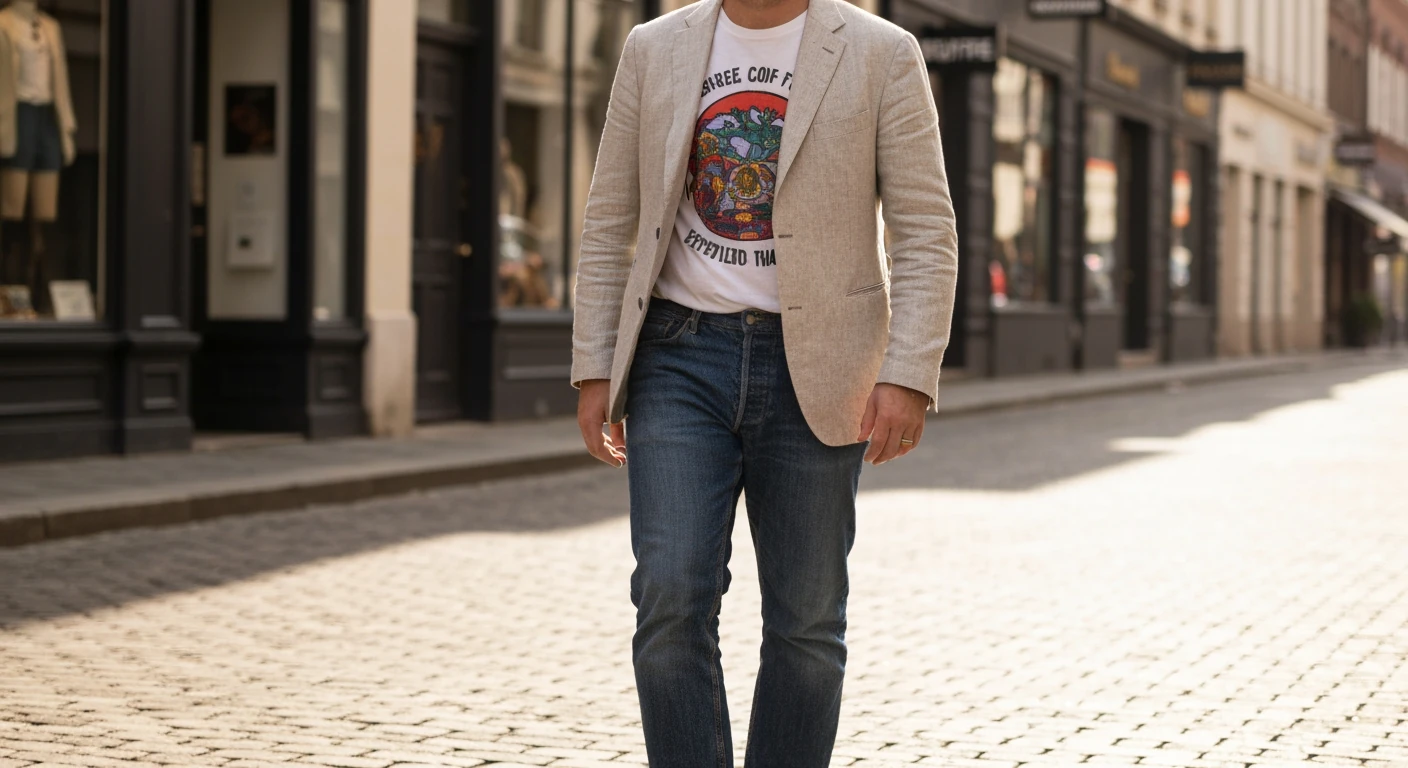
When considering new purchases, ask yourself if the item aligns with your core colors and silhouettes and if it can be worn in at least three different outfit combinations with existing pieces. This discipline helps avoid unnecessary clutter and ensures every addition enhances your personal style. For men looking to refine their choices, our updated guide on mastering modern men’s fashion offers specific insights.
Accessorizing with Intention: The Finishing Touches
Accessories complete an outfit, moving it from good to memorable. Think of them as the punctuation marks in your personal style statement — they add emphasis and clarify your message. What most people miss is how a thoughtfully chosen piece can entirely shift the vibe of an ensemble. Jewelry, for instance, offers a spectrum of expression. A delicate pendant necklace might whisper elegance, while chunky, layered bracelets can shout bohemian chic. The key is to consider the overall aesthetic you’re aiming for. According to a study by the Fashion Institute of Technology, 68% of consumers believe accessories are critical for expressing individuality, highlighting their psychological impact on personal presentation. Scarves are incredibly versatile, offering both warmth and a splash of color or pattern. A silk scarf can add a touch of old-Hollywood glamour, perhaps draped over a simple dress, or tied artfully around a handbag for a playful accent. Conversely, a chunky knit scarf provides a cozy, approachable feel, perfect for cooler weather. Handbags and shoes aren’t just functional; they are powerful style indicators. A structured leather tote projects professionalism, whereas a brightly colored cross-body bag suggests a more relaxed, casual approach. Consider the “Carrie Bradshaw effect” — her choice of Manolo Blahniks became synonymous with her character’s flamboyant personality, illustrating how footwear can become a signature element. Don’t be afraid to mix high-end pieces with more affordable finds; this creates a more authentic and less “catalog” look. When combining accessories, aim for balance rather than overload. If you’re wearing statement earrings, perhaps opt for a simpler necklace. A good rule of thumb is to remove one item before leaving the house, a tip famously attributed to Coco Chanel. This prevents your look from feeling too busy. For more inspiration on putting looks together, check out our guide on fresh outfit ideas that incorporate these elements effectively. Experiment with different combinations to discover what feels authentic to you. Maybe a bold watch paired with minimalist rings becomes your go-to. Or perhaps you enjoy pairing a classic pump with a unexpected patterned sock — a subtle rebellion that defines your unique flair. This playful exploration is where true personal style begins to shine.
Evolving Your Style: Adapting to Life and Trends Gracefully
Personal style is rarely a static concept; it shifts and grows much like we do. Think of your style as a living entity, constantly undergoing subtle transformations. What felt right in your twenties might not resonate as strongly in your forties, and that’s perfectly normal.
Maintaining authenticity while embracing change is the real trick. How do you keep up without feeling like you’re chasing every fleeting fad?
Navigating Life Changes and Their Impact on Fashion
Major life events often prompt a reevaluation of our wardrobes. A career change, for instance, might necessitate a more professional aesthetic, or perhaps a move to a different climate demands entirely new considerations for your fresh outfit ideas. Research from the NPD Group in a recent year showed that 63% of consumers reported altering their clothing preferences after a significant lifestyle shift. This isn’t about abandoning who you are; it’s about finding new expressions of self.
Consider Sarah, a 35-year-old marketing executive from Austin, Texas. After becoming a mother, her preference shifted from tailored suits to more versatile, comfortable, yet still chic pieces. She didn’t discard her core style; instead, she adapted it with high-quality separates and stylish flats, proving that practicality and elegance can coexist.
Integrating Trends Without Losing Your Core Identity
Trends can be exciting, offering fresh perspectives and new silhouettes. But how do you incorporate them without becoming a fashion victim? The key is discernment. Dr. Karen J. Pine, a professor of psychology at the University of Hertfordshire, suggests that clothing choices are deeply linked to mood and self-perception. Picking trends that genuinely appeal to you, rather than blindly following them, reinforces positive self-image.
One strategy is to select one or two trend-driven items each season that complement your existing wardrobe. Maybe it’s a specific color, a unique accessory, or a particular cut of trousers. For those interested in mastering modern men’s fashion, this approach allows for experimentation without a complete overhaul.
An important distinction to make is between thoughtfully integrating trends and falling into the trap of fast fashion. While accessible, fast fashion has both benefits and drawbacks:
- Pros of Engaging with Fast Fashion Trends:
- Affordability: Allows for experimentation with new styles at a lower cost.
- Variety: Provides a wide range of options to try out different looks.
- Accessibility: Makes current trends available to a broader audience quickly.
- Cons of Engaging with Fast Fashion Trends:
- Quality Concerns: Items often lack durability, leading to a shorter lifespan.
- Ethical Implications: Frequently linked to unsustainable manufacturing practices and poor labor conditions.
- Environmental Impact: Contributes significantly to textile waste and pollution.
- Loss of Uniqueness: Widespread adoption can dilute individual style.
The trick is to be selective. Instead of buying numerous inexpensive, trendy pieces, invest in quality foundational items and sprinkle in trends that speak to your evolving taste. This ensures your style remains authentically yours, regardless of what’s currently gracing the runways.
Embracing Your Ever-Evolving Style Journey
Finding your signature style isn’t a destination; it’s an ongoing, dynamic process of self-discovery and expression. As you grow, learn, and experience new facets of life, your style will naturally evolve alongside you. The true art lies not in rigidly adhering to a single aesthetic, but in understanding your core preferences and allowing them to adapt gracefully to new phases and inspirations. Consider your wardrobe a living canvas, always ready for a new brushstroke that reflects the current you. What new story will your style tell next?
Frequently Asked Questions About Personal Style
- How long does it take to find your personal style?
- Finding your personal style is a journey, not a race. It can take months or even years of experimentation and self-reflection to understand what resonates with you. The process involves analyzing your preferences, trying new things, and learning from what makes you feel confident and comfortable.
- Can personal style change over time?
- Absolutely! Personal style is rarely static; it evolves as you do. Life changes, new experiences, and shifts in personal taste all contribute to how your style develops over time. Embracing this evolution is a key part of maintaining an authentic and current look.
- Is personal style only about clothes?
- While clothing is a major component, personal style extends beyond just garments. It encompasses your choice of accessories, hair, makeup, and even your overall demeanor. It’s about a holistic visual representation of your inner self and how you choose to present yourself to the world.
- What are some common mistakes when trying to find your style?
- Common mistakes include blindly following trends, buying clothes that don’t fit well, neglecting to consider comfort, and not reflecting on what genuinely makes you feel confident. Focusing too much on what others wear instead of what resonates with your authentic self can also hinder the process.
- How do I maintain my personal style on a budget?
- Maintaining your personal style on a budget involves smart shopping, prioritizing quality over quantity, and building a versatile capsule wardrobe. Look for sales, explore second-hand stores for unique finds, and invest in foundational pieces that can be mixed and matched to create numerous outfits. Focus on timeless items rather than fleeting trends.