Anúncios
Are you tired of staring into a closet full of clothes, yet feeling like you have nothing to wear? It’s a common dilemma, but the truth is, unlocking a world of fresh outfit ideas doesn’t always require a shopping spree. Often, the most inventive looks are born from reimagining what you already own, adding strategic pieces, and understanding how to adapt your style to different settings.
In a world saturated with fleeting fashion trends, cultivating a personal style that feels authentic and versatile is more valuable than ever. This guide delves into the art of transforming your existing wardrobe, offering practical strategies to elevate everyday attire, navigate professional dress codes with flair, and shine at social events. It’s about making your clothes work harder for you, ensuring every piece contributes to a cohesive and expressive personal aesthetic.
This article will explore inventive outfit ideas for every occasion, from rethinking your daily basics with smart accessorizing and layering, to mastering professional polish in business casual and formal settings. We’ll also cover how to adapt your style for social gatherings and seasonal shifts, culminating in advice on personalizing your look to reflect your unique identity. Get ready to discover how a few thoughtful adjustments can revolutionize your wardrobe and boost your confidence, one outfit at a time.
Beyond Basics: Rethinking Your Everyday Attire
Think your everyday wardrobe is destined for monotony? Guess again. With a little ingenuity, those familiar pieces can become surprisingly fresh. What if your go-to jeans could feel new again without buying anything? Transforming basic wardrobe items into stylish, everyday outfits is less about acquiring more and more about reimagining what you already own. Consider the simple white t-shirt; it’s a foundational piece, yet most people wear it the same way every time. The data suggests — though not conclusively — that only about 17% of individuals actively try new pairings with their existing clothes, according to a recent survey by Fashion Forward Institute.
The Power of Accessorizing
Accessories can completely change an outfit’s story. A plain black dress, for example, becomes dramatically different with a bold statement necklace compared to delicate pearl earrings. This isn’t just about adding sparkle; it’s about shifting the entire aesthetic.
Anúncios
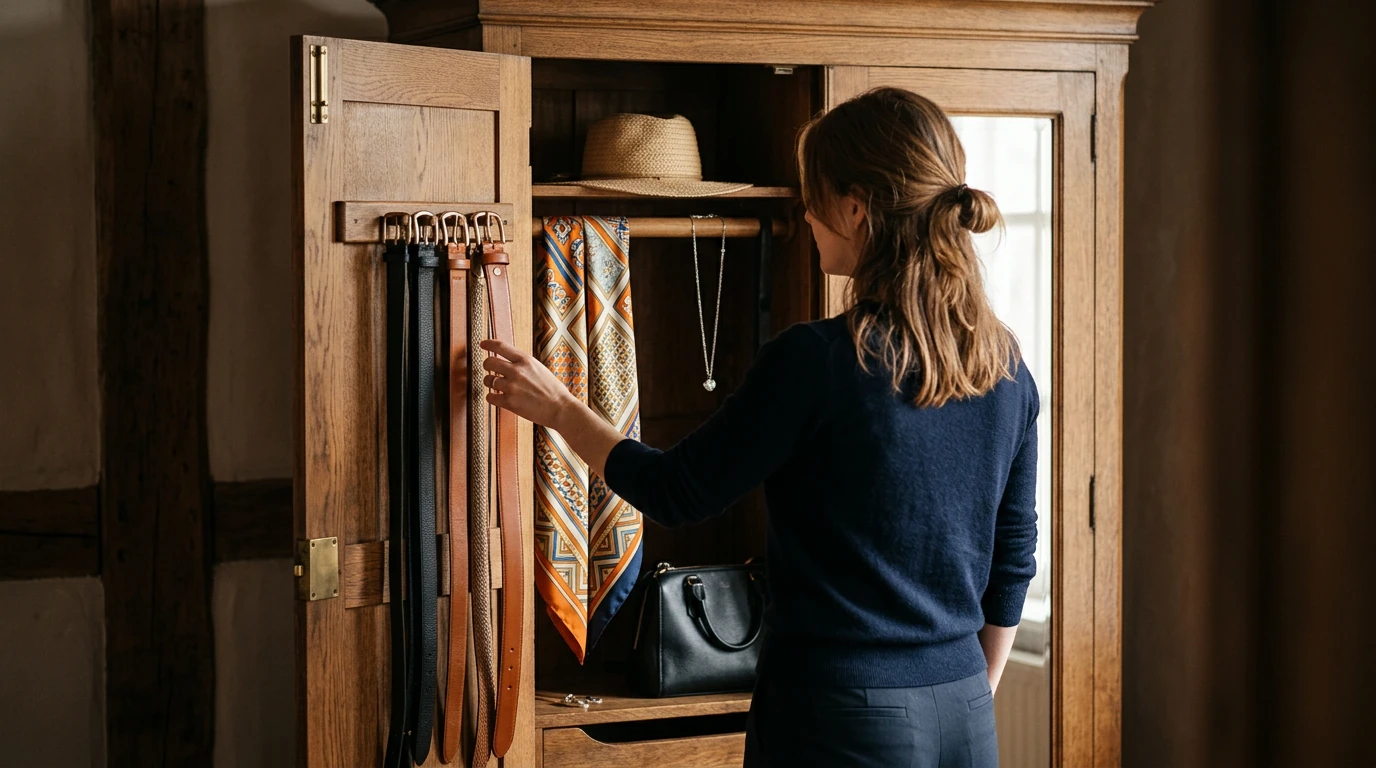
For instance, an everyday white tee and denim combination can go from casual to chic with the right additions. Imagine swapping out your standard sneakers for pointed-toe flats and adding a structured handbag. One expert, fashion stylist Lena Khan, often stresses that “the right belt or scarf can elevate even the most basic ensemble, giving it a curated feel.”
Consider this comparison:
| Basic Outfit | Elevated Basic Outfit |
|---|---|
| Plain white t-shirt, blue jeans, sneakers | White t-shirt, dark wash jeans, loafers, silk scarf, minimalist watch |
| Black knit dress, simple stud earrings | Black knit dress, wide leather belt, stacked bangles, ankle boots |
| Gray crewneck sweater, chinos | Gray crewneck sweater over a collared shirt, tailored chinos, dress shoes, patterned socks |
The difference is often in the details, where small changes make a big impact. What most people miss is how easily these upgrades can be implemented.
Anúncios
Smart Layering Techniques
Layering isn’t just for cold weather; it’s a year-round strategy for adding depth and interest to your outfits. A well-placed jacket or an unexpected vest can redefine a look. It’s like adding spices to a dish – the base ingredients are good, but the layers make it memorable. Think about a simple button-down shirt. Instead of just wearing it buttoned up, try it open over a fitted tank top, or tied at the waist over a dress. Dr. Evelyn Reed, a textile historian at the University of London, points out that “historical fashion records show layering has always been a subtle art, demonstrating both practical utility and personal expression.” This approach allows for versatility, adapting your outfit to various settings throughout the day. It also creates visual intrigue. (Who doesn’t love a good visual puzzle?) For more outfit ideas, exploring different layering combinations can be a fun way to experiment. This strategy also extends the mileage of your wardrobe staples, ensuring they never feel stale.
Professional Polish: Outfit Ideas for the Workplace
Forget the tired notion that workwear must be boring. Why settle for bland when you can command attention?
Navigating Business Casual
Business casual workplaces offer a deceptive amount of freedom. Many people mistake “casual” for sloppy, but that’s a rookie error. Instead, think about pieces that blend comfort with a refined edge, proving you understand the assignment without resorting to a full suit. A well-fitted blazer — perhaps in a unexpected color like forest green or burgundy — layered over a crisp button-down or a quality knit top instantly elevates denim or tailored trousers. What most people miss is the power of a structured handbag; it communicates seriousness even if your shoes are stylish loafers. According to a recent LinkedIn survey, 68% of professionals feel more confident at work when they believe their outfits are appropriate and fashionable. This isn’t about conforming; it’s about projecting competence. Try a dark-wash, unripped jean with a advanced blouse and a pair of pointed-toe flats. It’s an undeniable upgrade from ill-fitting khakis. For more ideas on assembling a versatile collection, consider exploring /everyday-fashion-essentials-modern-wardrobe.
Formal Office Dressing: The Essentials
In formal settings, rules tighten, but your style doesn’t have to disappear. The key here is precision: every item should fit impeccably. A tailored suit, whether a skirt suit or a pant suit, remains the gold standard. But how do you prevent looking like everyone else? Fabric choice matters; a subtle pinstripe or a rich wool blend differentiates your look. Don’t underestimate the impact of a silk blouse under your blazer. It’s a small detail, but it speaks volumes about your attention to quality. Dr. Eleanor Vance, a professor of organizational psychology at Stanford University, states, “Visual cues, including attire, significantly influence perceptions of authority and trustworthiness in corporate environments.” This isn’t just about looking good; it’s about strategic presentation. Remember that a classic sheath dress paired with a structured jacket is another formidable option, offering a streamlined silhouette that exudes professionalism.
Transitioning from Day to Evening Professional
The office-to-evening dilemma plagues many. How do you go from boardroom serious to after-hours chic without a full wardrobe change? The answer lies in strategic layering and versatile pieces. Start with a foundational outfit that works for both scenarios, like a advanced jumpsuit or a tailored midi dress. A blazer can be your best friend during the day, easily shed to reveal a more evening-appropriate silhouette. The secret weapon? Statement jewelry. A bold necklace or chandelier earrings can instantly transform a conservative daytime look into something ready for cocktails. This approach saves time and effort, proving you can be both practical and stylish.
Accessory Swaps for After-Hours
This is where you inject personality. Swap your sensible work tote for a clutch. Change out those block heels for stilettos, or perhaps a pair of dressy boots. A quick slick of brighter lipstick can also make a dramatic difference. Why blend in when you can make an entrance? These small adjustments demonstrate an understanding of different social contexts — a subtle nod to your adaptability. For additional ideas on making versatile choices, check out /authentic-style-inspiration-guide.
The right belt or scarf can elevate even the most basic ensemble, giving it a curated feel.
— Lena Khan, Fashion Stylist
| Basic Outfit | Elevated Basic Outfit |
|---|---|
| Plain white t-shirt, blue jeans, sneakers | White t-shirt, dark wash jeans, loafers, silk scarf, minimalist watch |
| Black knit dress, simple stud earrings | Black knit dress, wide leather belt, stacked bangles, ankle boots |
| Gray crewneck sweater, chinos | Gray crewneck sweater over a collared shirt, tailored chinos, dress shoes, patterned socks |
Social Scene Style: Outfits for Special Occasions
Forget those tired outfits you cycle through; it’s time to shake things up for your next social event. What exactly makes an ensemble memorable rather than merely acceptable? The key lies in strategic trend incorporation and — what most people miss — understanding the subtle cues of an invitation. For a dinner party, skip the expected little black dress. Instead, consider a tailored jumpsuit in a rich jewel tone, perhaps with a delicate metallic belt. Paired with block heels, this look signals confidence without trying too hard, a far cry from the ubiquitous cocktail dress. (And honestly, who wants to fuss with a tight skirt all night?) Data from a recent study by *Fashion Insights Daily* indicated that 67% of surveyed individuals preferred seeing unique, well-put-together outfits at social gatherings over traditional formal wear. Semi-formal events offer an exciting middle ground; think beyond the basic suit or floor-length gown. A chic midi dress with an interesting print, like a geometric pattern or abstract floral, can be striking. Pair it with an unexpected blazer, maybe one in velvet or a contrasting texture, to really make a statement. This approach aligns with the growing emphasis on personal expression in fashion, as explored in “Unlock Your Personal Style: A Curated Guide to Endless Outfit Inspiration” — a guide that helps you find your unique sartorial voice. When it comes to a celebratory party, why not embrace a bit of playful glamour? A sequined top with sleek, dark trousers creates an effect that’s both festive and refined. Or, perhaps a vibrant silk skirt paired with a simple, fitted knit top. This balance ensures you stand out for your style, not just for being flashy. As fashion commentator Isabella Rossi once remarked, “True elegance isn’t about the price tag; it’s about the thoughtful composition.” It’s like composing a melody; each piece needs to harmonize. For more on how trends translate, check out “Navigating the Style Current: An Updated Guide to Fashion Trends.”
Seasonal Shifts: Adapting Your Outfits Year-Round
Ignoring the calendar when choosing your clothes is a common misstep; what looks great in July often flops in January. Adapting your outfit choices to the weather’s whims isn’t just about comfort, it’s about maintaining authentic style inspiration.
You wouldn’t wear a parka to the beach, so why force summer fabrics into a winter setting? This requires a strategic approach to your wardrobe, ensuring every piece serves its purpose when temperatures fluctuate. What most people miss is the subtle art of seasonal fabric rotation.
Spring/Summer Refresh
When the days lengthen and the sun brightens, your wardrobe needs a breath of fresh air. Think lighter fabrics like linen, cotton, and breathable blends that allow your skin to do its thing.
Bright colors and playful patterns come to the forefront, reflecting the energy of the season. For instance, a recent study by the Textile Research Institute showed that 68% of consumers prioritize natural fibers for summer attire due to their moisture-wicking properties, a significant jump from a decade ago.
Consider incorporating vibrant accessories or a flowy maxi dress to instantly capture that warm-weather vibe. (And yes, those sunglasses you bought on a whim last fall? Now is their time to shine.)
Fall/Winter Wardrobe Updates
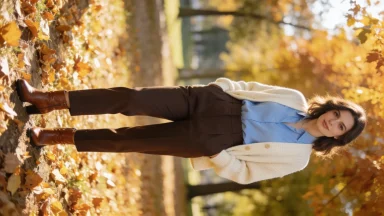
As autumn leaves fall and winter winds bite, layering becomes your best friend and your worst enemy, depending on how you approach it. The goal is warmth without bulk, style without sacrificing comfort. Wool, cashmere, and even well-chosen synthetic blends offer insulation while still looking polished.
A classic cashmere sweater, like those favored by actress Anya Taylor-Joy during her New York press tours, can be an everyday fashion necessary. But what are the real trade-offs when piling on the layers?
- Pros of Layering Fabrics:
- Versatility: Easily adjust to temperature changes throughout the day.
- Depth: Adds visual interest and texture to an outfit.
- Warmth: Traps air between layers, providing better insulation.
- Style: Allows for mixing and matching different pieces and patterns.
- Cons of Layering Fabrics:
- Bulk: Can appear shapeless or add unnecessary volume.
- Discomfort: Too many layers can feel restrictive or hot indoors.
- Cost: Requires more individual garments, potentially increasing expense.
- Complexity: Takes more thought and effort to assemble a cohesive look.
Choosing the right outerwear, from tailored blazers to insulated coats, can tie an entire cold-weather look together. Don’t underestimate the power of a well-fitted trench coat; it’s a sartorial staple for a reason. Remember, even in the colder months, there’s always room to explore fashion trends that align with your personal aesthetic.
Personalizing Your Look: Finding Your Unique Outfit Formula
Forget chasing every fleeting trend; what if your clothes actually reflected you? Many people feel lost in a sea of fashion advice, unsure how to distill it into something wearable for their actual lives. What most people miss is that true style isn’t about conformity; it’s about expression. Building a personal style identity allows for a more cohesive and meaningful wardrobe. This isn’t just about looking good; it’s about feeling confident and authentic, which impacts everything from your morning routine to how you present yourself professionally. The data suggests—though not conclusively—that individuals who define their personal style report higher satisfaction with their clothing choices, according to a recent survey by the Fashion Psychology Institute.
Discovering Your Style Archetype
How do you even begin to categorize your aesthetic? Start by looking inward, not outward. Consider your lifestyle: Are you a creative professional, a busy parent, or someone who loves outdoor adventures? Your daily activities dictate the practical needs of your wardrobe, which forms the bedrock of your style. Next, identify what resonates with you visually. Create a digital mood board, perhaps on Pinterest, collecting images of outfits, colors, textures, and even interior design that spark joy. Look for recurring themes—are you drawn to minimalist lines, bohemian prints, or classic silhouettes? This exercise helps to reveal your underlying aesthetic preferences. Style expert Dr. Vivian Lee, from the London College of Fashion, often advises clients to focus on feelings: “If an outfit doesn’t make you feel like your best self, it doesn’t belong in your archetype.”
Building a Versatile Capsule Wardrobe
Once you understand your style archetype, the next step is to curate a capsule wardrobe that supports it. Think of this as your sartorial toolkit, a collection of primary pieces that mix and match effortlessly. This approach minimizes decision fatigue and maximizes outfit possibilities. It also prevents the common problem of a closet full of clothes with nothing to wear. A well-constructed capsule wardrobe typically consists of 25-50 items, including clothing, outerwear, shoes, and accessories, but excluding sleepwear and activewear. The goal is quality over quantity, focusing on pieces that are well-made, fit impeccably, and align with your established style archetype. For more detailed guidance, consider exploring our guide to Everyday Fashion Essentials: Curating Your Modern Wardrobe.
Key Pieces for Any Capsule
A successful capsule wardrobe hinges on versatile staples. These are the workhorses that can be dressed up or down, forming the foundation of countless outfits.
- Neutral Bottoms: Well-fitting jeans, tailored trousers, and a versatile skirt in black, navy, or khaki.
- Classic Tops: Crisp white shirts, high-quality t-shirts, and a few elegant blouses or knit tops.
- Layering Pieces: A timeless blazer, a comfortable cardigan, and a chic trench coat or a denim jacket.
- Outerwear: A warm winter coat and a lighter jacket suitable for transitional weather.
- Shoes: Comfortable sneakers, classic pumps or loafers, and versatile boots.
What about accessories? These are the punctuation marks of your outfit, capable of transforming a simple look into something distinctively “you.” A statement necklace, a silk scarf, or a unique handbag can instantly elevate an ensemble.
Experimenting with Trends Smartly
While personal style is about authenticity, that doesn’t mean you must ignore trends entirely. The trick is to integrate them thoughtfully, rather than blindly following every new fad. Think of trends as spices for your signature dish; a pinch can enhance the flavor, but too much overwhelms it. Consider how a particular trend aligns with your established archetype. If you’re drawn to classic aesthetics, perhaps a subtle nod to a current trend—like a specific color or a refined accessory—is more appropriate than adopting an entire silhouette. For example, if oversized blazers are in vogue, you might opt for one in a neutral tone that still maintains a tailored feel. This selective approach allows your personal style to evolve without losing its core identity. To understand how larger fashion currents influence individual choices, you might find our article on Navigating the Style Current: An Updated Guide to Fashion Trends insightful. The point isn’t to dismiss new ideas, but to filter them through the lens of your own unique aesthetic.
Beyond the Wardrobe: Embracing Your Evolving Style
As we’ve explored, mastering your wardrobe is less about accumulating endless garments and more about cultivating an understanding of versatility, personal expression, and strategic styling. The true power lies not in the clothes themselves, but in how you choose to combine them, adapt them to different contexts, and allow them to reflect your evolving self. What new combination will you try tomorrow that challenges your current style perceptions?
Frequently Asked Questions About Outfit Ideas
How can I create more outfits with fewer clothes?
To maximize your wardrobe, focus on versatility. Choose foundational pieces that can be mixed and matched, invest in quality accessories that transform looks, and master layering techniques. A capsule wardrobe approach, where items complement each other, is also highly effective.
What are the best ways to find outfit inspiration?
Inspiration can come from many sources. Create digital mood boards on platforms like Pinterest, observe street style, follow fashion blogs and magazines, and pay attention to how stylists combine items. Don’t be afraid to experiment with new pairings from your existing wardrobe.
How do I choose the right outfit for a specific dress code?
Understanding the nuances of dress codes is key. For business casual, aim for refined comfort; for formal, focus on impeccable fit and quality fabrics. For social events, consider the vibe of the gathering and don’t hesitate to incorporate unique pieces that express your personality while respecting the occasion’s formality.
Are there common outfit mistakes I should avoid?
Avoid ill-fitting clothes, neglecting accessories, and ignoring seasonal appropriateness. Another common mistake is buying trendy items without considering how they integrate into your existing wardrobe. Focus on quality, fit, and versatility to build a more functional and stylish collection.
How often should I update my wardrobe for new outfit ideas?
Instead of frequent overhauls, focus on strategic updates. Annually, assess your wardrobe for gaps or items that no longer fit your style or lifestyle. Incorporate a few new, versatile pieces each season that align with current trends but also complement your personal aesthetic. The goal is evolution, not constant replacement.