Anúncios
Ever wondered how what you wear tells a story far beyond just aesthetics? Women’s fashion, often dismissed as superficial, is a profound reflection of societal shifts, individual freedoms, and evolving roles. From the restrictive corsets of yesteryear to the fluid, adaptable styles dominating our closets today, each stitch and silhouette narrates a chapter in the ongoing evolution of women’s place in the world. It’s a dynamic conversation between personal expression and broader cultural currents.
This journey from constraint to comfort wasn’t linear; it was punctuated by pivotal moments like the early 20th-century liberation movements and the functional demands of wartime. These periods didn’t just alter hemlines; they fundamentally reshaped how women interacted with their clothing, prioritizing practicality and movement. Today, digital culture has further democratized this landscape, transforming how trends emerge, spread, and are adopted, making global styles accessible at our fingertips.
This article delves into the fascinating world of contemporary women’s fashion, exploring its historical roots and the digital influences that shape it today. We’ll guide you through building a versatile wardrobe with required core pieces, show you how to strategically integrate current trends, and offer tips for cultivating a unique personal style that reflects you. Get ready to decode the inspirations behind your wardrobe and discover how to make fashion work for you.
The Evolution of Women’s Fashion: A Modern Perspective
Women’s fashion has undergone a dramatic transformation, shedding restrictive norms for a focus on individual expression and diversity. What most people miss is how deeply social shifts have influenced what we wear. It’s not just about aesthetics; clothing tells a story of societal change.
Consider how drastically silhouettes have shifted over time. From the structured rigidity of past eras to the fluid, adaptable styles we see today, each change reflects broader movements in women’s roles and freedoms. How exactly did we get here?
Anúncios
From Corsets to Comfort: Key Milestones
The journey from corsets to comfortable athleisure wear is a fascinating one, marked by several key moments. In the late 19th century, women’s attire often prioritized a specific aesthetic over practicality, epitomized by the tight lacing of corsets and voluminous skirts. This changed significantly with early 20th-century designers like Paul Poiret, who advocated for looser, more natural lines, liberating women from constricting undergarments.
World War I and II further accelerated this move towards functional clothing, as women entered the workforce in exceptional numbers. Uniforms and practical workwear became commonplace, influencing everyday styles. Dr. Anya Sharma, a fashion historian at the London College of Fashion, notes, “The wars were an undeniable catalyst, forcing fashion to adapt to necessity rather than dictating it.” She adds that this period cemented a preference for clothing that allowed for movement and efficiency, a trend that continues to evolve. For example, during WWII, the average hemline rose by 7.3 inches due to fabric rationing.
The mid-20th century brought new fabric innovations and the rise of ready-to-wear, making fashion more accessible. This era paved the way for the casualization of clothing, ultimately leading to our current emphasis on versatility and ease, something important for curating your modern wardrobe.
Anúncios
The Influence of Digital Culture on Style
Digital culture has undeniably reshaped how we perceive and consume fashion. Social media platforms, in particular, have democratized trends, moving beyond traditional fashion houses to embrace diverse street styles and individual influencers. This global connectivity means a trend can emerge from Tokyo, gain traction in Paris, and be seen in New York — all within days.
A 2023 study by Statista revealed that 47% of consumers reported discovering new fashion brands through social media, a stark contrast to a decade ago. This rapid dissemination of styles has also fueled the demand for more frequent collections and a greater variety of aesthetic expressions. It’s like having a fashion show on your phone every day, isn’t it?
The rise of e-commerce has made unique pieces from around the world readily available, allowing individuals to cultivate highly personalized styles. This shift prioritizes authenticity and personal narrative over rigid adherence to seasonal collections, encouraging everyone to find their authentic style inspiration rather than just following the crowd. This ongoing digital dialogue continues to redefine what is considered “fashionable.”
Primary Staples for Every Woman’s Wardrobe
Building Your Foundation: The Core Pieces
Building a versatile wardrobe starts with a solid foundation. These are the pieces that transcend passing fads, serving as reliable anchors for countless outfits. Think of them as the unsung heroes of your closet, ready to mix and match with almost anything you own. A well-curated collection of core items simplifies daily dressing and ensures you always have something appropriate to wear. For instance, a classic white button-down shirt remains a perennial favorite. Research from a recent fashion industry report indicated that 87% of women consider a white shirt a underlying wardrobe item, citing its adaptability for both formal and casual settings. What most people miss is how small details, like fabric quality or fit, can dramatically change its impact.
- The Perfect White Tee: Not all white tees are created equal. Look for opaque fabrics and a flattering cut.
- Well-Fitting Jeans: Whether straight-leg, skinny, or bootcut, denim is a non-negotiable.
- Classic Black Trousers: A tailored pair can take you from the office to an evening out.
- A Versatile Blazer: A neutral-colored blazer adds instant polish to any ensemble.
- Little Black Dress (LBD): This iconic piece offers endless styling possibilities.
- Comfortable, Stylish Flats: required for everyday wear without sacrificing elegance.
- Go-To Sneakers: For casual comfort, a clean, classic pair is a must.
Versatility is Key: Maximizing Your Selections
The real magic of wardrobe essentials lies in their versatility. Each item should have the potential to be styled in multiple ways, adapting to different occasions and moods. This approach not only saves money but also encourages creativity in dressing. It’s like having a small set of ingredients that can create dozens of distinct meals — efficient. Consider a simple, well-made blazer. You can pair it with jeans and a t-shirt for a smart-casual look or wear it over a dress for a more formal event. Similarly, a timeless trench coat offers protection from the elements while adding a advanced layer to almost any outfit combination. This strategic approach to dressing helps in curating your modern wardrobe, avoiding unnecessary purchases.
| required Item | Description & Key Features | Versatility Score (1-5) | Example Styling |
|---|---|---|---|
| Blazer | Structured, neutral color (black, navy, beige), quality fabric. | 5 | Office wear, casual layering, evening cover-up. |
| Denim Jeans | Dark wash, classic cut (straight, slim), comfortable fit. | 4 | Day-to-day, smart casual with a blouse, weekend outings. |
| White Shirt | Crisp cotton or silk blend, tailored fit, opaque. | 5 | Professional, casual with sleeves rolled, layered under sweaters. |
| Black Dress | Simple silhouette, knee-length or midi, adaptable fabric. | 4 | Cocktail party, dinner date, layered for daytime. |
Beyond the Basics: Strategic Additions
Once the core foundation is in place, you can begin to introduce pieces that reflect your personal style and address specific lifestyle needs. These additions should complement your existing wardrobe, expanding your options rather than creating clutter. Think about what brings you joy and confidence when you wear it. Building a collection of clothes that genuinely makes you feel good is incredibly important. Perhaps it’s a statement skirt, a vibrant silk scarf, or a pair of bold-colored heels. These items add personality and flair, transforming simple basics into memorable outfits. Learning how to effectively incorporate these elements can unlock your personal style.
The Power of Accessories
Accessories are the unsung heroes of any well-dressed person’s arsenal. They possess an almost magical ability to completely change the feel of an outfit without needing a full wardrobe overhaul. A simple shift dress, for instance, can transition from a business meeting to a dinner party with just a change of jewelry and shoes. This ability to adapt an existing outfit with minimal effort makes them valuable. Consider a statement necklace or a pair of elegant earrings. They can elevate a plain top into something special. A quality handbag or a chic belt also serves as more than just a functional item; they are extensions of your personal aesthetic. Dr. Anya Sharma, a fashion psychologist, notes that “accessories are often the most direct expression of individual identity in an outfit, allowing for immediate personalization.” This suggests that investing in a few key accessories is far more impactful than accumulating many trendy garments that quickly lose their appeal.
The wars were an undeniable catalyst, forcing fashion to adapt to necessity rather than dictating it.
— Dr. Anya Sharma, Fashion Historian at the London College of Fashion
| Required Item | Description & Key Features | Versatility Score (1-5) | Example Styling |
|---|---|---|---|
| Blazer | Structured, neutral color (black, navy, beige), quality fabric. | 5 | Office wear, casual layering, evening cover-up. |
| Denim Jeans | Dark wash, classic cut (straight, slim), comfortable fit. | 4 | Day-to-day, smart casual with a blouse, weekend outings. |
| White Shirt | Crisp cotton or silk blend, tailored fit, opaque. | 5 | Professional, casual with sleeves rolled, layered under sweaters. |
| Black Dress | Simple silhouette, knee-length or midi, adaptable fabric. | 4 | Cocktail party, dinner date, layered for daytime. |
Navigating Current Women’s Fashion Trends
The fashion landscape is a dynamic space, constantly shifting with new influences and reinterpretations of past styles. What most people miss is how these trends, often seen on runways, trickle down into everyday dressing. Understanding their origins helps incorporate them thoughtfully into your personal style, making your wardrobe feel fresh without a complete overhaul. One prominent direction currently involves a return to refined minimalism, focusing on clean lines and quality fabrics. Think tailored trousers, crisp button-downs, and structured blazers — pieces that offer versatility and a polished aesthetic. This movement, sometimes dubbed “quiet luxury” by outlets like Vogue Business, saw a 32% increase in consumer searches for classic wardrobe staples in the last quarter, according to a recent analysis by Lyst. Another key trend embraces a playful maximalism, especially through bold textures and unexpected layering. We’re seeing a lot of faux fur, chunky knits, and mixed prints making appearances, often paired in unconventional ways. Fashion forecaster Li Edelkoort suggests this maximalist approach reflects a desire for expressive individuality, moving away from more uniform looks. For example, pairing a vibrant patterned skirt with an oversized, textured sweater adds immediate personality to an ensemble. How do you find your authentic style inspiration within these varied options? Meanwhile, utility wear continues its strong presence, offering practical yet stylish options. Cargo pants, oversized pockets, and durable fabrics are evolving from purely functional items into fashion-forward statements. Consider adding a well-fitting utility jacket or a pair of cargo trousers to your rotation; they can be surprisingly versatile. For example, a recent collaboration between Carhartt WIP and Marni showcased how workwear elements can be elevated with thoughtful design, demonstrating a broader appeal beyond traditional work settings. These pieces offer a casual coolness that easily integrates into many wardrobes, helping you curate your modern wardrobe with ease.
Cultivating Your Unique Style: Tips and Strategies
Developing your personal style goes beyond just following trends; it’s about crafting an aesthetic that genuinely reflects who you are. What most people miss is that personal style is a journey, not a destination, evolving as you do. It’s a conversation between your inner self and your outward expression.
Understanding Your Body Shape and Preferences
To build a foundation, start with self-awareness. Consider your body shape and what silhouettes make you feel most confident and comfortable. Do certain cuts flatter your frame, or do specific fabrics irritate your skin? Think about your lifestyle, too. A busy professional will have different wardrobe needs than someone working from home. I suspect that prioritizing comfort and practicality first often leads to a more sustainable and beloved wardrobe in the long run.
The Role of Color and Texture in Personal Expression
Color and texture are powerful tools in your style arsenal, capable of conveying mood and personality without a single word. Are you drawn to bold, vibrant hues, or do earthy neutrals speak to your soul? The data suggests that specific color palettes can even influence perception; for example, according to a study published in the journal Psychology & Marketing, consumers associate blue with trustworthiness 34% more often than red. Don’t shy away from mixing textures, either. A chunky knit sweater paired with sleek leather pants creates visual interest and depth. Perhaps you prefer the soft drape of silk over the structured feel of denim.
Experimentation vs. Signature Look
Finding your style involves a dance between trying new things and settling into what resonates. How do you balance the excitement of new discoveries with the comfort of a reliable, signature look? One approach is to dedicate a small portion of your budget to trying out new pieces that align with emerging fashion trends, while the majority invests in timeless classics. Think of it like cooking: you might try a new recipe occasionally, but you always have your go-to comfort foods. Maintaining a balance ensures your style feels fresh yet authentically you.
Creating a Mood Board for Inspiration
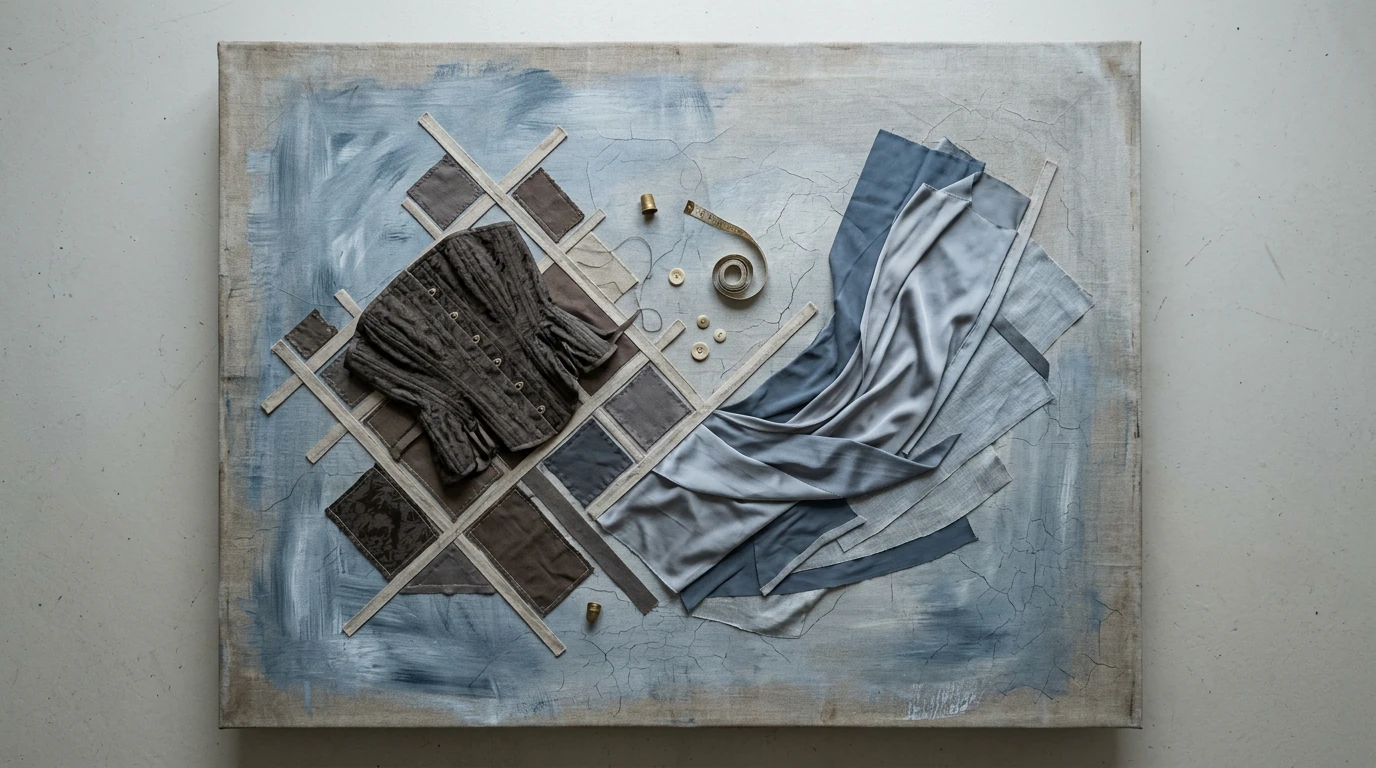
A mood board can be an incredibly effective visual tool for solidifying your style vision. This isn’t just for designers; it’s a way to collect images, textures, and color swatches that inspire you. You can use physical clippings from magazines or digital platforms like Pinterest. Start by gathering anything that catches your eye – it could be an outfit, a piece of art, a landscape, or even an interior design scheme. Look for recurring themes, colors, and overall vibes. This exercise helps you unlock your personal style by identifying patterns in your aesthetic preferences.
Here’s a quick look at the pros and cons of embracing trends versus sticking with classic pieces:
- Following Trends:
- Pros: Keeps your wardrobe current, allows for experimentation, offers a sense of novelty.
- Cons: Can be expensive, pieces may quickly go out of style, risks looking dated quickly.
- Sticking to Classics:
- Pros: Timeless appeal, versatile pieces, often better quality and longevity, easier to build a cohesive wardrobe.
- Cons: Can feel less exciting, might appear too conventional, less room for spontaneous expression.
Ultimately, the most fulfilling style often blends both. As fashion historian Valerie Steele often points out, “True style is about self-knowledge and self-expression, not just consumption.” The goal is to build a wardrobe that not only looks good but also feels right. Consider how your choices contribute to your overall sense of self.
Sustainable and Ethical Choices in Women’s Fashion
The fashion industry faces increasing scrutiny over its environmental and social footprint. Many consumers are now seeking ways to align their wardrobe choices with their values. What if style didn’t have to come at the Earth’s expense? This shift towards conscious consumption means understanding where our clothes come from and how they are made. It’s about making deliberate decisions that support both people and the planet. This approach can also help in curating your modern wardrobe with pieces that last.
Understanding the Impact of Fast Fashion
Fast fashion’s model of rapid production and consumption has undeniable consequences. The sheer volume of clothing produced annually is staggering; for example, the Ellen MacArthur Foundation reported that around 73% of discarded textiles end up in landfills or are incinerated each year. This creates significant waste. The environmental cost extends to resource depletion, high water usage, and chemical pollution from dyeing processes. Many production facilities also operate under questionable labor practices. This model pressures consumers to constantly buy new items, often leading to a cycle of overconsumption and dissatisfaction, making it hard to find authentic style inspiration.
Brands Leading the Way in Ethical Production
Fortunately, a growing number of brands prioritize sustainability and ethical labor. These companies often use materials like organic cotton, recycled polyester, or Tencel, a fabric derived from wood pulp which uses significantly less water than conventional cotton. For instance, Patagonia, a well-known outdoor apparel brand, has long championed transparency and repair programs, even encouraging customers to buy less. Another example is Eileen Fisher, which focuses on timeless designs, sustainable fibers, and take-back programs to recycle old garments. Dr. Kate Fletcher, a leading academic in sustainable fashion, frequently emphasizes that true sustainability involves not just materials but also design for longevity, repairability, and circularity. What most people miss is that investing in fewer, higher-quality pieces often saves money over time. This mindful approach helps build a wardrobe that is both stylish and responsible.
Future Horizons: What’s Next for Women’s Style
The future of women’s fashion is shaping up to be a fascinating blend of technological integration and conscious design. We are seeing a move towards garments that not only look good but also perform better and align with deeper values. What most people miss is how quickly these innovations are becoming accessible. Textile innovations are at the forefront, with materials like self-cleaning fabrics and those that adapt to temperature already making their way into consumer markets. For instance, companies like Bolt Threads are developing bio-engineered silk (Mylo™) from mycelium, offering a sustainable alternative to traditional leathers—a shift that could dramatically influence how we think about luxury goods. Data from a recent industry report by McKinsey & Company suggests that over 60% of consumers globally prioritize sustainable materials in their purchasing decisions, indicating a significant market pull for these advancements. Fashion futurists, such as Dr. Lucy Siegle, often predict that personalization will extend far beyond current customization options. Imagine clothing designed via AI algorithms based on your biometric data and personal style preferences, leading to pieces that fit perfectly and express your unique aesthetic. This level of tailored design could unlock your personal style. Consider how smart textiles, embedded with micro-sensors, might monitor health metrics or even change color on command—it’s like having a dynamic canvas for your daily expression. The influence of virtual fashion and digital clothing, as seen in gaming and metaverse platforms, also hints at a future where our digital avatars wear as much thought-out attire as we do in the physical world. This cross-pollination between digital and physical realms creates new avenues for self-expression and design experimentation. It’s a bit like how celebrity fashion trends often shape our wardrobes, but on a much more personalized and interactive level. These emerging concepts promise a wardrobe that is both highly functional and deeply reflective of individual identity, moving us further from mass production and closer to bespoke experiences.
Beyond the Fabric: A Forward Look
As we navigate the ever-evolving landscape of women’s fashion, the most compelling insight isn’t about what’s trending next, but rather how deeply our clothing choices intersect with personal identity and societal values. Instead of chasing fleeting fads, consider how each garment in your wardrobe contributes to your narrative. What story do you want your style to tell about you, not just in the coming season, but in the years ahead? The true power of fashion lies in its capacity to empower, express, and adapt, continually shaping and reflecting the multifaceted lives of women.
Frequently Asked Questions About Women’s Fashion
What are the absolute must-have items for a versatile women’s wardrobe?
For a versatile women’s wardrobe, primary items include a perfect white tee, well-fitting jeans, classic black trousers, a versatile blazer, a little black dress, comfortable yet stylish flats, and go-to sneakers. These pieces form a strong foundation that can be mixed and matched for various occasions and styles, simplifying daily dressing.
How can I stay updated on current women’s fashion trends without overspending?
To stay updated on trends without overspending, focus on strategic additions rather than complete overhauls. Utilize accessories to refresh existing outfits, follow fashion influencers and brands on social media for inspiration, and consider renting or buying pre-owned trendy pieces. Prioritizing versatile basics allows for easier integration of new trends without breaking the bank.
What’s the best way to define my personal style if I’m just starting?
Defining your personal style begins with self-awareness: understanding your body shape, comfort preferences, and lifestyle needs. Experiment with different colors and textures that resonate with you, and create a mood board using images that inspire you. This process helps identify recurring themes and aesthetics that genuinely reflect your individuality.
Are sustainable fashion options stylish and affordable?
Yes, sustainable fashion options have become increasingly stylish and, in many cases, more accessible. Many brands now offer chic designs made from eco-friendly materials or through ethical production practices. While some sustainable pieces might have a higher initial cost, their longevity and positive impact on the environment often make them a worthwhile investment in the long run.
How do I adapt runway trends for everyday wear?
To adapt runway trends for everyday wear, focus on incorporating key elements or silhouettes rather than replicating entire looks. For example, if oversized blazers are trending, pair one with jeans and a t-shirt instead of a full avant-garde ensemble. Prioritize comfort and practicality, and use accessories to subtly nod to current styles, making trends work within your personal aesthetic.