Unlock Your Personal Color Palette: 4 Steps for a Flawless Look
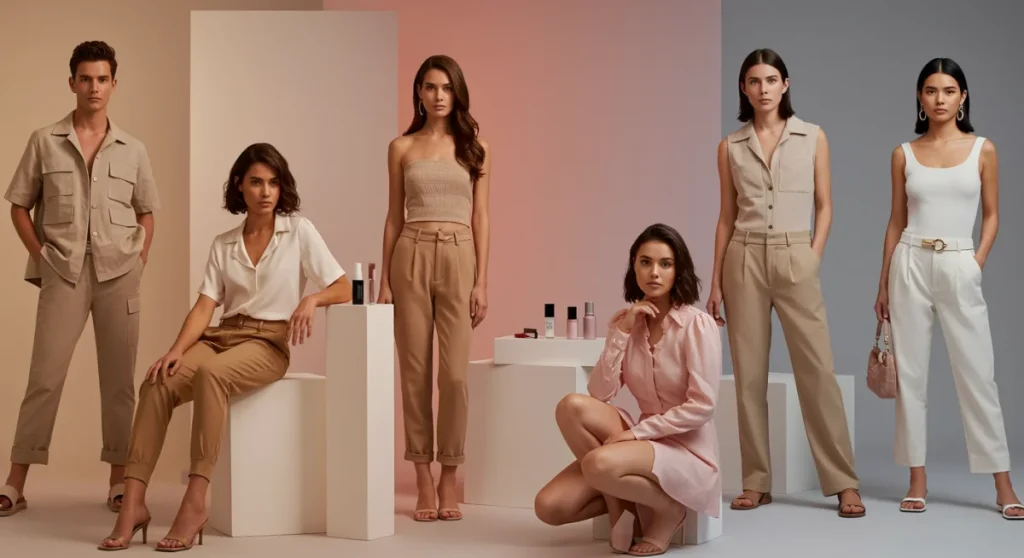
Unlocking your personal color palette involves a comprehensive 4-step analysis to identify the hues that perfectly complement your natural features, ensuring a consistently flawless and harmonious appearance in 2026.
Have you ever wondered why certain colors make you glow, while others seem to wash you out? The secret lies in understanding your personal color palette. In 2026, mastering this skill is more than just a trend; it’s a fundamental step towards cultivating a truly authentic and flawless personal style. This guide will walk you through a straightforward 4-step process to discover the shades that truly make you shine.
Understanding the Foundation: Skin Undertones
Before diving into a world of vibrant hues, it’s crucial to grasp the concept of skin undertones. This invisible layer beneath your skin’s surface dictates how colors interact with your complexion. Identifying your undertone correctly is the cornerstone of unlocking your personal color palette, as it forms the basis for all subsequent color choices.
Warm, Cool, or Neutral?
Determining your skin undertone is simpler than you might think, and it doesn’t necessarily relate to your skin’s surface color. A person with fair skin can have warm undertones, just as someone with deep skin can have cool undertones. The key is to look beyond the surface.
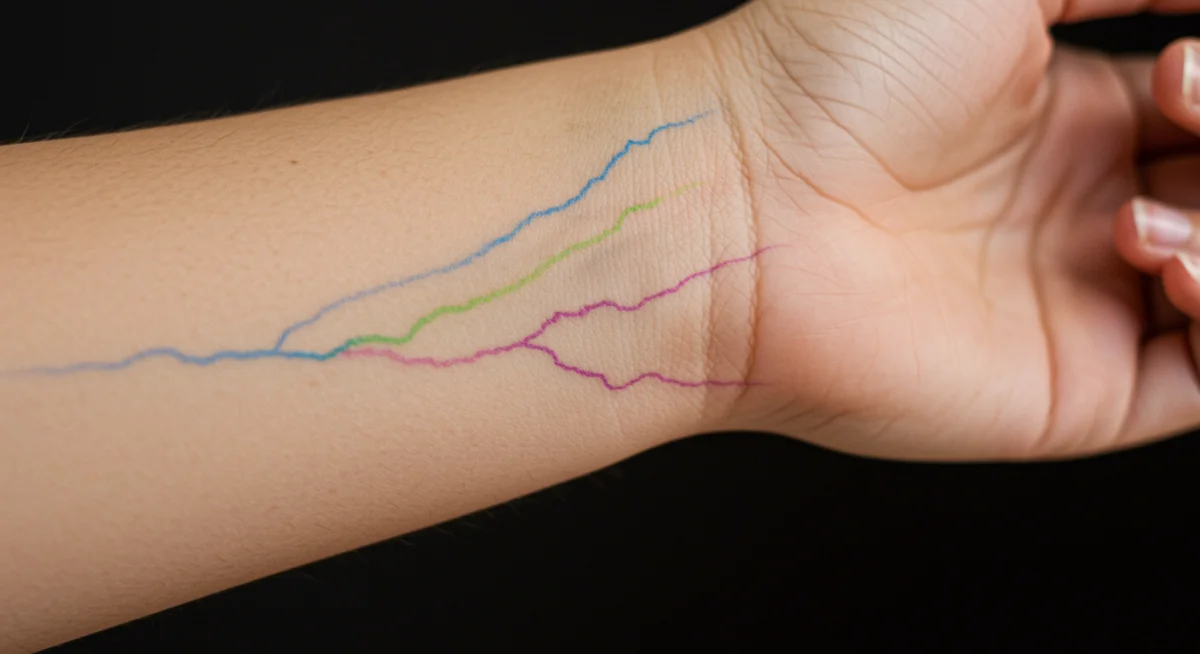
- The Vein Test: Look at the veins on your wrist in natural light. If they appear blue or purple, you likely have cool undertones. If they look green, you probably have warm undertones. If you can’t quite tell, or they seem to be a mix of both, you might have neutral undertones.
- The Jewelry Test: Consider which metals flatter you most. Gold jewelry tends to complement warm undertones, while silver jewelry often enhances cool undertones. If both look equally good, you might have neutral undertones.
- The White Fabric Test: Hold a pure white piece of fabric and an off-white or cream fabric next to your bare face. If white makes you look vibrant, you might be cool-toned. If off-white or cream brightens your complexion, you’re likely warm-toned.
Once you’ve identified your undertone, you’ve taken the first significant leap towards a more harmonious wardrobe and makeup selection. This foundational knowledge will guide every decision, ensuring that the colors you choose enhance your natural beauty rather than detract from it.
Step 1: Identifying Your Seasonal Color Category
With your skin undertone determined, the next step in unlocking your personal color palette involves placing yourself into one of the four traditional seasonal color categories: Spring, Summer, Autumn, or Winter. This classification system helps narrow down the vast spectrum of colors to those that will naturally harmonize with your features, creating a cohesive and flattering aesthetic.
Each season is associated with specific characteristics related to skin undertone, hair color, and eye color. While these are general guidelines, they provide an excellent starting point for your color analysis journey.
The Four Seasons of Color
- Spring (Warm Undertones): Typically characterized by warm skin, often with golden or peach tones, light eyes (blue, green, hazel), and light to medium hair with warm highlights (golden blonde, auburn, light brown). Spring types shine in clear, bright, and warm colors.
- Summer (Cool Undertones): Features cool skin with pink or blue undertones, light eyes (blue, grey, soft hazel), and ash-toned hair (ash blonde, ash brown, soft black). Summer types look best in soft, muted, and cool colors.
- Autumn (Warm Undertones): Possesses warm skin, often with golden, olive, or deep peach undertones, warm eyes (amber, warm brown, dark hazel), and rich, warm hair colors (red, golden brown, dark auburn). Autumn types thrive in rich, earthy, and muted warm colors.
- Winter (Cool Undertones): Distinguished by cool skin with blue or olive undertones, often with high contrast between skin and hair, striking eye colors (deep blue, emerald green, dark brown, black), and dark hair (dark brown, black, platinum blonde with cool undertones). Winter types look stunning in clear, vivid, and cool colors.
This seasonal classification is a powerful tool, offering a framework for understanding which color families will naturally enhance your appearance. It’s about recognizing the inherent harmony between your natural features and specific color attributes, moving you closer to a truly flawless look.

Step 2: Exploring Your Dominant Color Characteristics
Once you’ve identified your general seasonal category, the next crucial step in defining your personal color palette is to delve deeper into your dominant color characteristics. This involves analyzing the intensity, warmth/coolness, and depth of your natural features. This refined analysis helps you move beyond broad seasonal classifications to pinpoint the precise shades that will elevate your style in 2026.
Each individual has a dominant characteristic that stands out, influencing how colors interact with their complexion. Understanding this nuance is key to selecting colors that truly resonate with your unique beauty.
Key Characteristics to Consider
- Value (Light vs. Dark): Does your overall appearance lean towards light (fair skin, light hair, light eyes) or dark (dark skin, dark hair, dark eyes)? This helps determine whether lighter or darker shades will be more flattering. For instance, a ‘Light Spring’ will thrive in pastel and airy colors, while a ‘Deep Winter’ will look best in rich, saturated darks.
- Chroma (Clear vs. Muted): Are your features vivid and bright, or soft and subdued? Clear individuals look best in bright, pure colors, while muted individuals are enhanced by softer, more toned-down hues. A ‘Clear Spring’ will exude radiance in vibrant coral, whereas a ‘Soft Summer’ will find elegance in dusty rose.
- Hue (Warm vs. Cool): While you’ve already determined your general undertone, refining this further helps identify if you lean more towards true warm or true cool colors within your seasonal category. Some seasons have sub-categories that are more overtly warm or cool. For example, a ‘Warm Autumn’ will gravitate towards rich rusts and olives, while a ‘Cool Summer’ will prefer true blues and lavenders.
By carefully assessing these dominant characteristics, you begin to fine-tune your color selection. This step allows for a more personalized approach, ensuring that your chosen palette isn’t just generally flattering but specifically tailored to your individual vibrancy and depth.
Step 3: Building Your Core Color Palette
With a solid understanding of your skin undertones, seasonal category, and dominant color characteristics, you’re now ready to build your core personal color palette. This is where theory meets practicality, translating your analysis into a tangible set of colors that will form the foundation of your wardrobe and beauty choices for a flawless look in 2026.
Your core palette should consist of a mix of neutrals, accent colors, and perhaps a few wildcards that you genuinely love and that align with your identified characteristics. The goal is to create a versatile collection of colors that can be mixed and matched effortlessly.
Selecting Your Best Hues
- Neutrals: These are the workhorses of your wardrobe. For cool tones, think charcoal grey, navy blue, true white, and black. For warm tones, consider cream, camel, olive green, and warm browns. Neutral undertones can often wear a broader range of both.
- Accent Colors: These are the vibrant shades that bring your palette to life and highlight your best features. If you are a ‘Bright Spring,’ clear yellows, vivid greens, and bright corals will be your friends. For a ‘True Winter,’ think royal blue, emerald green, and fuchsia.
- Testing and Experimentation: Don’t be afraid to try on clothes in various shades. Pay attention to how your skin, eyes, and hair react. Do your eyes sparkle? Does your skin look radiant or sallow? Take photos in different lighting to observe the effects objectively.
Building your core color palette is an ongoing process of discovery and refinement. It’s about empowering yourself with knowledge to make informed decisions that consistently enhance your natural beauty. This curated selection of colors will streamline your dressing, making every outfit choice a confident and stylish one.
Step 4: Integrating Your Palette into Daily Life
Discovering your personal color palette is just the beginning; the real magic happens when you integrate these insights into your daily life. This final step is about translating your newfound knowledge into practical applications across your wardrobe, makeup, and even accessories, ensuring a consistently flawless and cohesive appearance in 2026.
The goal is not to restrict your choices but to empower you to make intentional decisions that highlight your best features and reflect your authentic self. This integration process makes dressing and styling intuitive and enjoyable.
Practical Application Tips
- Wardrobe Overhaul: Start by identifying existing pieces in your closet that align with your palette. Gradually replace or donate items that consistently wash you out. When shopping, prioritize colors from your palette. You don’t need to discard everything; strategic additions can transform your wardrobe.
- Makeup Selection: Your personal color palette extends to makeup. Choose foundation and concealer that match your undertone. Select eyeshadows, lipsticks, and blushes that enhance your features without clashing. For cool tones, berry and rose lipsticks, cool browns, and grays for eyes work well. For warm tones, peach, coral, and earthy browns are excellent choices.
- Accessories and Hair Color: Even accessories like scarves, jewelry, and glasses can impact your overall look. Choose metals and colors that complement your palette. If considering a new hair color, ensure it aligns with your undertone and seasonal category to maintain harmony.
By consciously applying your personal color palette to all aspects of your style, you’ll find that getting ready becomes easier, and you’ll exude a natural confidence. This strategic approach to color ensures that every element of your look works together to create a stunning, cohesive, and effortlessly flawless impression.
Advanced Tips for Mastering Your Hues in 2026
Once you’ve navigated the four core steps to identify and begin integrating your personal color palette, you might be ready to explore more advanced techniques. Mastering your hues goes beyond simply knowing what colors suit you; it involves understanding how to use them strategically to create impact, express mood, and even influence perception.
The fashion landscape of 2026 encourages individuality and thoughtful expression. Leveraging your color knowledge can unlock new levels of personal style that truly set you apart.
Expanding Your Color Horizons
- Color Combinations: Experiment with different color combinations within your palette. Learn about complementary colors, analogous colors, and monochromatic schemes. For example, a ‘Deep Autumn’ might combine a rich olive green with a warm rust and a touch of deep teal for a sophisticated, harmonious look.
- Seasonal Transference: While you have a primary season, understanding how to incorporate shades from closely related seasons can add variety without compromising your palette. For instance, a ‘True Summer’ might borrow some softer, cooler shades from ‘Light Summer’ or ‘Soft Summer’ to broaden their options.
- Psychology of Color: Delve into the psychological impact of different hues. Red can convey confidence and power, blue can suggest calm and trustworthiness, and green can evoke nature and growth. Use this knowledge to choose colors that align with the message you want to send.
These advanced tips allow you to play with your personal color palette in more dynamic ways. It’s about moving from simply wearing flattering colors to consciously crafting a visual narrative with your style, making every outfit a deliberate statement.
Maintaining Your Personal Color Palette Over Time
Your personal color palette isn’t a static concept; while your core undertones remain constant, your preferences, lifestyle, and even the nuances of your appearance can evolve. Maintaining and periodically reassessing your palette ensures that your style remains fresh, relevant, and continuously flattering for a flawless look in 2026 and beyond.
Think of it as an ongoing conversation with your personal style, allowing for adjustments and refinements that reflect your growth and current aesthetic desires.
Periodic Reassessment and Adaptation
- Life Changes: Significant life changes, such as new hair color, changes in skin tone (e.g., due to sun exposure or aging), or even shifts in personal style preferences, might warrant a slight re-evaluation of your palette. A new hair dye might introduce a different warmth or coolness that subtly alters how certain colors appear against your skin.
- Trend Integration: While your core palette is timeless, new fashion trends emerge annually. Learn how to incorporate trendy colors that align with your palette, or how to wear popular shades that might not be in your ideal range by using them in smaller doses or away from your face.
- Confidence and Comfort: Ultimately, the best colors are those that make you feel confident and comfortable. If a color from your recommended palette doesn’t resonate with you, it’s okay to adapt. Personal style is about self-expression, and your comfort is paramount.
By regularly checking in with your personal color palette, you ensure that your style remains a powerful tool for self-expression. This continuous engagement helps you adapt to new trends while staying true to the hues that truly celebrate your unique beauty, cementing a timeless and flawless aesthetic.
| Key Step | Brief Description |
|---|---|
| Skin Undertones | Identify if your undertones are warm, cool, or neutral using vein and jewelry tests. |
| Seasonal Category | Classify yourself as Spring, Summer, Autumn, or Winter based on overall features. |
| Dominant Characteristics | Refine your analysis by considering value (light/dark), chroma (clear/muted), and hue (warm/cool). |
| Building & Integrating | Curate your core palette and apply it to wardrobe, makeup, and accessories for daily style. |
Frequently Asked Questions About Personal Color Palettes
The most reliable method often involves a combination of tests. The vein test (observing wrist vein color) and the jewelry test (seeing if gold or silver flatters you more) are excellent starting points. Consulting a professional color analyst can also provide highly accurate results.
While your fundamental skin undertone remains constant, factors like hair color changes, sun exposure, or aging can subtly alter how certain colors appear on you. It’s good practice to re-evaluate your palette periodically to ensure it still feels current and flattering.
Absolutely not. The goal is not to restrict, but to inform. You can strategically incorporate non-palette colors away from your face, or use them in smaller doses. Focus on building a core wardrobe of flattering colors and gradually integrating new pieces.
Color analysis is highly relevant for makeup. It guides foundation undertone selection and helps choose flattering eyeshadows, blushes, and lipsticks. Cool tones often suit berry or rose shades, while warm tones thrive with peach or coral hues, enhancing natural beauty.
It’s common to have characteristics that blend across seasons, indicating a ‘flow’ or ‘soft’ category. For example, a ‘Soft Autumn’ might share traits with ‘Soft Summer.’ Focus on your dominant characteristics (light/dark, clear/muted, warm/cool) to find your most accurate sub-season.
Conclusion
Unlocking your personal color palette is a transformative journey that empowers you to make intentional style choices, leading to a consistently flawless and confident look. By understanding your unique undertones, identifying your seasonal category, recognizing dominant characteristics, and integrating this knowledge into your daily life, you cultivate a style that is authentically you. Embrace the power of color to enhance your natural beauty and express your individuality in 2026 and for years to come.