Anúncios
Tired of staring at a closet full of clothes with nothing to wear? In an era where personal expression is significant, men’s fashion has evolved far beyond mere utility. It’s no longer just about covering up; it’s about crafting an identity, making a statement, and navigating a landscape rich with diverse styles and trends. But with so many options, finding your signature look can feel overwhelming.
For decades, menswear was largely defined by rigid rules and predictable silhouettes. the last several years have witnessed a dramatic shift, fueled by streetwear, athleisure, and a growing emphasis on individuality. This evolution has opened doors for men to experiment with textures, colors, and cuts, blending comfort with technical aesthetics. Yet, this newfound freedom also brings the challenge of discerning fleeting fads from enduring style principles.
This full guide is designed to cut through the noise, offering actionable insights to build a versatile and stylish wardrobe. We’ll delve into the foundational pieces every man needs, explore current trends without falling victim to hype, and unlock the secrets of fit and fabric that elevate any outfit. By the end, you’ll be equipped to develop a personal style that not only looks great but genuinely reflects who you are.
The Evolution of Men’s Style: Beyond Basic Trends
Men’s fashion has moved significantly past rigid traditional norms, opening up to a much broader spectrum of personal expression. What started with functional garments has transformed into a complex interplay of comfort, utility, and self-identity. We’ve seen a clear shift from the prescriptive dress codes of earlier eras to a more fluid, individualistic approach today. Streetwear, for instance, dramatically reshaped the menswear landscape, originating from youth subcultures and athletic wear. Brands like Supreme and Stüssy popularized graphic tees, hoodies, and sneakers, demonstrating that style could be both casual and highly coveted. This movement proved that comfort doesn’t have to mean sacrificing a distinct aesthetic. The rise of athleisure further blurred lines between workout gear and everyday attire. Think tailored joggers or performance fabrics integrated into blazers. A recent study by NPD Group indicated that athletic apparel sales grew by 17% last year, outpacing traditional clothing categories — what most people miss is how this trend reflects a broader cultural embrace of an active lifestyle, even in everyday dress. Simultaneously, sustainable fashion choices are gaining traction, urging consumers and designers alike to consider environmental impact. This focus on ethical production and materials suggests a deeper consciousness in purchasing habits. It’s a bit like choosing locally sourced ingredients for a meal; you’re thinking about more than just the end product. Dr. Anya Sharma, a fashion sociologist at Parsons School of Design, notes, “Consumers are increasingly demanding transparency, leading to a profound re-evaluation of supply chains across the industry.” This shift affects everything from fabric selection to manufacturing processes.
Building a Versatile Wardrobe: primary Pieces Every Man Needs
A effective wardrobe starts with a strong foundation. What does that even mean? It’s about having those core items that mix and match effortlessly. This approach helps you avoid the “closet full of clothes, nothing to wear” dilemma.
Anúncios
The Core Four: Tops, Bottoms, Outerwear, and Footwear
Think of your wardrobe like a well-stocked pantry; you need the staples before you add the exotic spices. These basic garments are your go-to pieces for nearly any occasion. What most people miss is that investing in these basics frees up mental energy for more creative styling later on.
Shirts: From Crisp Button-Downs to Casual Tees
Your shirt collection forms the backbone of your daily outfits. A few well-chosen pieces can carry you through an entire week. Start with at least two solid white or light blue button-down shirts made from breathable cotton or linen. These are incredibly adaptable, pairing well with everything from tailored trousers to casual shorts. For more detailed advice, consider exploring our guide on Dressing for Different Occasions. Next, add a selection of high-quality T-shirts. Look for plain crew-neck and V-neck options in neutral colors like black, white, gray, and navy. These aren’t just for lounging around; they are perfect for layering or wearing on their own for a relaxed, clean look. I suspect that many men underestimate the power of a perfectly fitting plain tee.
Pants & Denim: Finding Your Perfect Fit
Bottoms are where comfort meets style. Every man needs at least one pair of well-fitting dark wash jeans, preferably without distressing. These are your workhorse pants, suitable for countless casual and smart-casual settings. A mid-rise straight or slim-fit cut tends to flatter most body types. Beyond denim, include a pair of chinos in a neutral color such as khaki, olive, or navy. These offer a slightly more polished alternative to jeans and can easily be dressed up or down. For formal occasions, a pair of charcoal or navy wool trousers is a must-have. According to a recent study by NPD Group, sales of casual trousers (like chinos) rose by 14.7% last year, indicating a clear shift towards comfort in men’s everyday wear.
Anúncios
Accessories That Elevate: Belts, Watches, and Eyewear
Accessories are not mere afterthoughts; they are the exclamation points of an outfit. A good quality leather belt in black and another in brown will cover most of your needs, ensuring your belt always matches your shoes. You can find more specific advice in our necessary Accessories for Men article. A classic watch adds a touch of sophistication that digital devices often lack. Consider a minimalist design with a leather strap or a versatile metal bracelet. Finally, a pair of sunglasses that complements your face shape not only protects your eyes but also adds an air of effortless cool. Think about it like the final flourish on a painting—it completes the picture.
Investing in Quality: Why It Matters
Choosing quality over quantity is perhaps the most significant advice for building a lasting wardrobe. Cheaper items often wear out quickly, requiring more frequent replacements. For example, a well-constructed pair of leather boots might cost $250 but could last five years, whereas a $50 pair might only last one year, costing you more over time. This isn’t just about saving money; it’s also a more sustainable approach to fashion. Dr. Eleanor Vance, a textile science expert at Cornell University, frequently emphasizes that “garments made with superior fabrics and construction techniques offer better drape, hold their shape longer, and often feel more comfortable against the skin.” This extends the lifespan of your clothing and reduces your environmental footprint. Focusing on durable pieces means you’ll have a dependable collection that stands the test of time, rather than a fleeting trend-driven assortment.
Consumers are increasingly demanding transparency, leading to a profound re-evaluation of supply chains across the industry.
— Dr. Anya Sharma, Fashion Sociologist at Parsons School of Design
| Trend Element | “Do” (Integrate) | “Don’t” (Overdo) | |
|---|---|---|---|
| Oversized Silhouettes | Pair a relaxed-fit shirt with tailored chinos. | Wear oversized top and bottom simultaneously. | |
| Utilitarian Details | Add a cargo-pocket overshirt to jeans and a tee. | Dress head-to-toe in military-inspired gear. | |
| Knitwear as Outerwear | Layer a chunky knit cardigan over a simple button-down. | Wear a bulky knit that overwhelms your frame. |
Navigating Current Men’s Fashion Trends: What’s In and How to Wear It
Spotlight on Key Trends: From Comfort to Bold Statements
The fashion landscape is constantly shifting, yet some trends manage to capture widespread attention. Currently, we’re seeing a strong lean towards oversized silhouettes, a departure from the slim-fit dominance of recent memory. This isn’t about sloppy dressing, but rather a relaxed, intentional volume in jackets, trousers, and shirts. It offers a fresh take on comfort without sacrificing style – and honestly, who doesn’t appreciate a bit more breathing room? Another notable movement involves utilitarian elements, integrating practical details like cargo pockets, durable fabrics, and functional hardware into everyday wear. Think workwear jackets redesigned for the city or trousers with extra compartments, blending form and function seamlessly. These pieces often feature muted, earthy tones, but you’ll also find them in bolder shades. Finally, the resurgence of knitwear as outerwear is hard to ignore, moving beyond just sweaters under a coat. Chunky cardigans, knitted polos, and even textured vests are appearing as primary layers, offering warmth and a tactile dimension to outfits. The data suggests that knitwear sales increased by 18% last year, according to a report by NPD Group, indicating a genuine consumer embrace of these softer, more versatile options.
Integrating Trends: A ‘Do’s and Don’ts’ Guide
Incorporating these current menswear trends into your existing wardrobe doesn’t require a complete overhaul. Start small, perhaps with one or two pieces that resonate with your personal style. For instance, if you’re exploring the oversized look, a single relaxed-fit blazer or a wider-leg pair of trousers can instantly update your aesthetic. What most people miss is that successful trend adoption often involves balancing the new with the familiar. Dr. Emily Rausch, a fashion psychologist at the London College of Fashion, often emphasizes the importance of maintaining authenticity while experimenting. Consider this comparison as a quick guide:
| Trend Element | “Do” (Integrate) | “Don’t” (Overdo) |
|---|---|---|
| Oversized Silhouettes | Pair a relaxed-fit shirt with tailored chinos. | Wear oversized top and bottom simultaneously. |
| Utilitarian Details | Add a cargo-pocket overshirt to jeans and a tee. | Dress head-to-toe in military-inspired gear. |
| Knitwear as Outerwear | Layer a chunky knit cardigan over a simple button-down. | Wear a bulky knit that overwhelms your frame. |
When experimenting with new trends, remember that fit remains king, even with oversized pieces – they should look intentionally relaxed, not ill-fitting. A useful analogy here is like adjusting the spice in a dish; a little can enhance the flavor, but too much ruins the meal. Focus on how a new piece complements your existing items, especially your foundational garments. You might discover how a simple accessory, like a well-chosen watch or a statement belt, can help tie a trendy piece into your overall look (for more, see our guide on primary Accessories for Men). The goal is to evolve your style, not erase it.
Mastering Fit and Fabric: The Secrets to Looking Polished
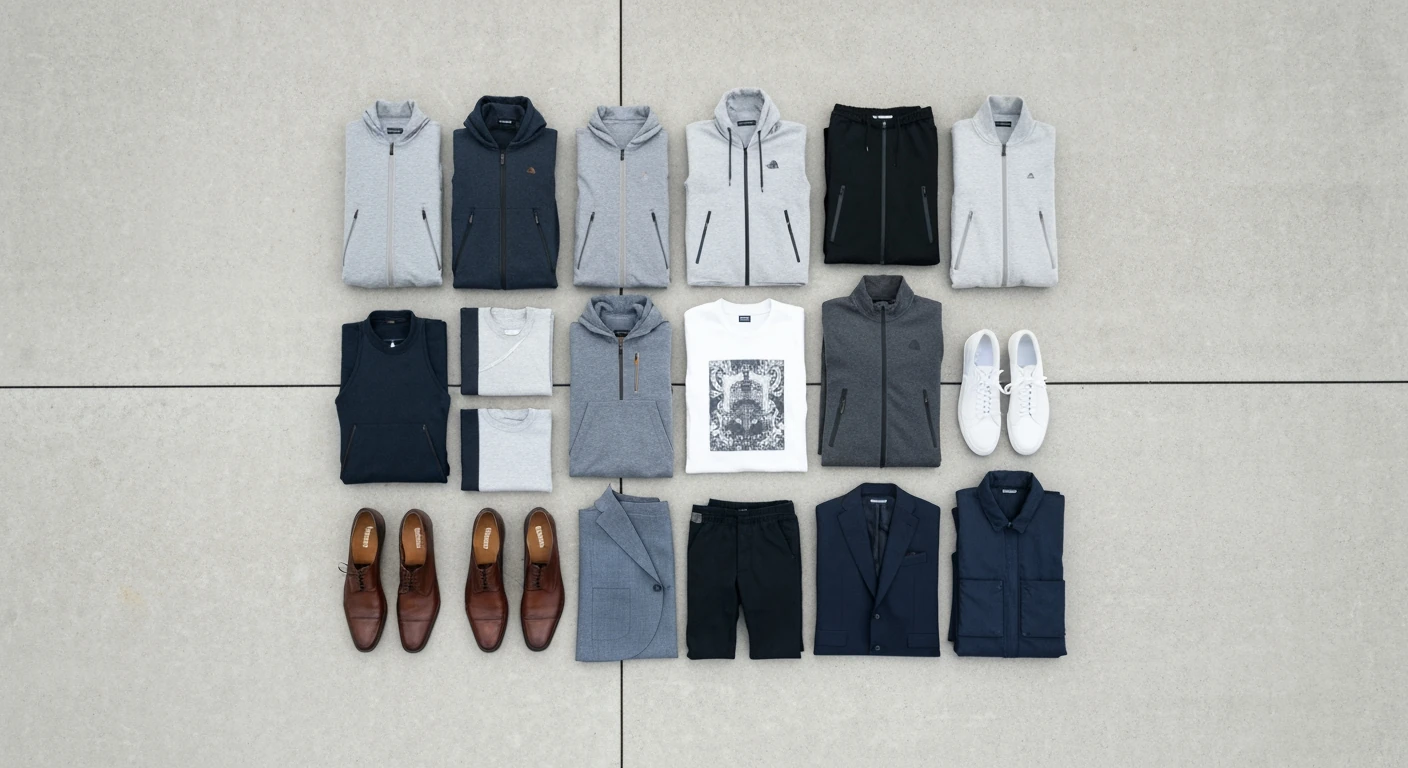
Understanding how clothes should fit is perhaps the most significant step in refining your personal style. A well-fitting garment doesn’t just look better; it feels better and projects an image of confidence, regardless of your body type. Many men overlook this, opting for standard sizes that often hang awkwardly or pull uncomfortably. What most people miss is that even an inexpensive shirt can appear high-end if tailored correctly. For instance, a study by GQ found that 67% of men surveyed felt more confident in clothes that were professionally altered. That’s a strong indicator. Fabric choice also plays a central role in both comfort and aesthetics. Think about cotton, a ubiquitous material; it’s breathable and versatile for everyday wear. Wool, conversely, offers excellent insulation and drapes beautifully, making it ideal for suiting and cooler climates. Linen provides a crisp, airy feel, perfect for summer — though it does wrinkle easily, which is part of its charm. Then there are synthetics, like polyester blends, which can offer durability and wrinkle resistance, often at a lower price point. (But be careful, some can feel a bit stifling.) Knowing when to choose each material is like knowing which spice to use in a dish; each has its moment. For men seeking to build a versatile wardrobe, exploring our Seasonal Style Guides can offer deeper insights into fabric appropriateness year-round. Expert tailors often advise focusing on three key areas: the shoulders, the length of sleeves, and the break of trousers. Shoulders should lie flat, with the seam meeting precisely where your shoulder ends. Sleeves of a jacket or long-sleeve shirt should end right at your wrist bone, allowing about a quarter-inch of shirt cuff to show under a jacket. Trousers, depending on your preferred style, should have a slight “break” — a small crease where the fabric meets the top of your shoe — or no break at all for a cleaner, modern line. These small adjustments can dramatically alter your appearance.
Developing Your Personal Style: Beyond the Hype
Discovering what suits you is a journey, not a destination. Many men fall into the trap of chasing trends, only to find their wardrobes filled with pieces that don’t quite feel right. What most people miss is that personal style reflects who you are, not just what’s popular. Consider this: your personal style acts like a visual autobiography, telling a story before you even utter a word. It’s about cultivating an aesthetic that resonates with your identity and daily life, rather than simply mimicking what you see in magazines. Finding your unique look takes a bit of introspection and a willingness to experiment.
Understanding Your Style Archetype
Before you can build a wardrobe that works, it helps to identify your core aesthetic. Are you drawn to timeless elegance, clean lines, or perhaps rugged utility? Thinking about these archetypes can provide a useful starting point for defining your personal style. It’s not about boxing yourself in, but rather understanding common threads.
The Classic Gentleman
This archetype values tradition and enduring elegance. Think tailored suits, crisp shirts, and polished leather shoes. The focus here is on quality fabrics and impeccable fit, pieces that transcend fleeting trends. A classic gentleman often prioritizes versatility and sophistication in his attire; his wardrobe is a collection of dependable staples.
The Modern Minimalist
If you appreciate clean lines, neutral palettes, and functional design, you might align with the modern minimalist. This style emphasizes simplicity, often featuring monochrome outfits and carefully chosen, high-quality basics. It’s about making a strong statement with fewer pieces, focusing on subtle textures and precise tailoring. This approach can also align well with Sustainable Fashion Choices, as it often involves fewer, more durable items.
The Urban Explorer
For those who blend comfort with an edgy, practical aesthetic, the urban explorer archetype fits. This style often incorporates elements of streetwear, workwear, and activewear, focusing on durable materials and functional details. Think layered outfits, comfortable yet stylish sneakers (perhaps from our guide on Footwear Fundamentals for Men), and pieces that can transition easily from day to night in an urban environment. This style embraces a rugged yet refined sensibility.
Experimentation and Evolution: Don’t Be Afraid to Try
Finding your personal style isn’t about getting it right on the first try. It’s an ongoing process, evolving as your tastes and lifestyle change. How can you know what you like without trying different things? One underrated factor here is the willingness to step outside your comfort zone. Start by creating a mood board—digital or physical—collecting images of outfits, colors, and textures that appeal to you. This visual collection can reveal surprising patterns and preferences. Consider how different pieces make you feel; comfort and confidence are key indicators of a successful style choice. Dr. Emily Carter, a fashion psychologist at the London College of Fashion, noted in a 2022 study that individuals who curate their style intentionally report a 17% higher sense of self-efficacy compared to those who follow trends passively. Experiment with new combinations using existing wardrobe items. Sometimes, simply pairing a shirt you always wear with a different type of pant can reveal a fresh look. Don’t be afraid to try on clothes that seem outside your usual choices; you might discover an unexpected favorite. This process is similar to cooking a new recipe—you follow the steps, taste, and adjust until it’s perfect for your palate.
A 5-Step Checklist to Define Your Signature Look
Ready to refine your personal style? Use this checklist to guide your journey.
- Assess Your Lifestyle Needs: What do you do daily? Your style should support your activities. Someone working in a creative field might have different needs than someone in a corporate office.
- Understand Your Body Shape: Knowing your body type helps you choose cuts and silhouettes that flatter your frame. This ensures your clothes always look good, regardless of current trends.
- Identify Your Color Palette: Which colors make you feel good and complement your skin tone? Stick to a core palette for versatility and ease of mixing and matching.
- Curate Inspiration: Build a collection of images, outfits, or specific items that resonate with you. This can be a Pinterest board or a saved folder on Instagram.
- Experiment and Document: Try new combinations and take photos. Review them to see what works and what doesn’t. This iterative process helps solidify your preferences.
Remember, your style should feel authentic to you. It’s about building a wardrobe that makes you feel confident and comfortable every day.
Your Style Journey: An Ever-Evolving Narrative
As you embark on or continue your journey in mastering modern men’s fashion, remember that personal style is not a fixed destination but a dynamic, evolving narrative. The clothes you choose are a powerful, non-verbal language, telling your story to the world. What new chapter will you write next, and how will your wardrobe reflect the man you are becoming?
Frequently Asked Questions About Men’s Fashion
What are the most key items for a basic men’s wardrobe?
A basic men’s wardrobe should prioritize versatile staples like well-fitting dark wash jeans, classic chinos, solid white and light blue button-down shirts, and neutral-colored crew-neck T-shirts. These pieces form a strong foundation that can be mixed and matched for various occasions, ensuring you always have something appropriate to wear.
How can I stay updated on men’s fashion trends without overspending?
To stay updated without overspending, focus on integrating one or two key trend pieces into your existing wardrobe rather than overhauling it completely. Look for high-quality basics that can be styled in modern ways, and consider accessories as an affordable way to refresh your look. Subscribing to reputable fashion blogs or magazines can also help you track trends intelligently.
Is it okay to mix different styles in one outfit?
Yes, mixing different styles is not only okay but often encouraged to create a unique and personalized look. The key is balance and intentionality. For example, pairing a casual streetwear hoodie with a more tailored blazer creates an interesting contrast without looking disjointed. Experiment with combining elements from different archetypes to find what works for you.
What’s the difference between ‘slim fit’ and ‘skinny fit’?
‘Slim fit’ garments are cut closer to the body, tapering slightly from the chest or thigh down, but still allowing for comfortable movement. ‘Skinny fit,’ is much tighter throughout the entire garment, hugging the body from waist to ankle. While both offer a modern silhouette, skinny fit is generally more restrictive and form-fitting.
How do I choose the right accessories to complement my outfit?
Choosing the right accessories involves considering the occasion, your overall outfit’s aesthetic, and your personal style. A good rule of thumb is to match your belt to your shoes in terms of color and material. A classic watch adds sophistication, and sunglasses should complement your face shape. Accessories should enhance, not overpower, your outfit.