Anúncios
Mastering Capsule Wardrobes: Your 3-Month Plan to 20+ Outfits with 10 Core Pieces
Are you tired of staring at a closet full of clothes with nothing to wear? Do you dream of a streamlined wardrobe that saves you time, money, and mental energy? The solution might be closer than you think: a well-curated capsule wardrobe. In this comprehensive guide, we’ll walk you through a step-by-step 3-month plan to build a functional, stylish, and incredibly versatile capsule wardrobe. Our goal? To help you create 20+ outfits from just 10 core pieces. Yes, it’s entirely possible, and it’s simpler than you imagine!
The concept of a capsule wardrobe is not new, but its relevance in today’s fast-paced, consumer-driven world is more significant than ever. It’s about intentionality, sustainability, and personal style. By focusing on quality over quantity and versatility over fleeting trends, you can transform your relationship with fashion and discover a newfound confidence in your daily dressing. This isn’t just about owning fewer clothes; it’s about owning the right clothes that truly reflect who you are and serve your lifestyle.
Imagine waking up each morning knowing exactly what to wear, feeling effortlessly chic, and having more time for what truly matters. That’s the promise of a well-executed capsule wardrobe plan. Whether you’re a seasoned minimalist or just beginning your journey towards a more conscious closet, this guide will provide the structure, inspiration, and practical tips you need to succeed. Let’s dive into how to build your perfect capsule!
Anúncios
What Exactly is a Capsule Wardrobe?
Before we embark on our 3-month journey, let’s establish a clear understanding of what a capsule wardrobe entails. At its heart, a capsule wardrobe is a collection of essential, versatile clothing items that can be mixed and matched to create a multitude of outfits. The idea is to have a limited number of high-quality pieces that are timeless, complement each other, and suit your personal style and lifestyle. This approach minimizes decision fatigue, reduces clutter, and encourages more conscious consumption.
Historically, the term ‘capsule wardrobe’ gained popularity in the 1970s, attributed to Susie Faux, a London boutique owner. She defined it as a collection of a few essential items of clothing that do not go out of fashion, which can then be augmented with seasonal pieces. Donna Karan further popularized the concept with her ‘7 Easy Pieces’ collection in 1985, demonstrating how a few core items could create an entire work wardrobe. Today, the concept has evolved, with many interpretations, but the core principles remain: simplicity, versatility, and intentionality.
Key Principles of a Capsule Wardrobe:
- Versatility: Each item should be able to pair with at least three other items in your capsule.
- Quality over Quantity: Invest in durable, well-made pieces that will last.
- Timelessness: Focus on classic styles that won’t quickly go out of fashion.
- Personal Style: Your capsule should reflect your unique aesthetic and make you feel confident.
- Lifestyle Appropriateness: Choose clothes that suit your daily activities, whether you work from home, in an office, or have an active social life.
- Cohesive Color Palette: Select a primary color, a secondary color, and a few accent colors that work well together.
Embracing a capsule wardrobe plan is not about sacrificing style; it’s about refining it. It’s about understanding your needs, making deliberate choices, and ultimately, freeing up mental space and resources that were once dedicated to endless shopping and wardrobe woes. This 3-month plan is designed to guide you through this transformative process, ensuring you build a capsule that truly works for you.
Anúncios
Month 1: Foundation and Purging – Setting the Stage for Your Capsule Wardrobe
The first month of our capsule wardrobe plan is all about laying a solid foundation. This involves understanding your current wardrobe, defining your style, and making some tough but necessary decisions about what stays and what goes. This is often the most challenging but also the most rewarding phase.
Week 1: Vision Board & Lifestyle Assessment
Before you touch a single item of clothing, take some time for introspection.
- Define Your Personal Style: What aesthetic are you drawn to? Create a Pinterest board or a physical mood board with images of outfits, colors, textures, and silhouettes that resonate with you. Use keywords to describe your desired style (e.g., ‘minimalist chic,’ ‘boho casual,’ ‘classic professional’). This will be your guiding star.
- Analyze Your Lifestyle: What does a typical week look like for you? How much time do you spend at work, at home, exercising, or socializing? This assessment will help you determine the proportion of different types of clothing you need (e.g., if you work in an office, you’ll need more professional wear; if you’re a stay-at-home parent, comfort and practicality might be higher priorities). Allocate percentages to different lifestyle categories (e.g., 60% work, 20% casual, 10% active, 10% special occasions).
- Identify Your Core Colors: Choose a neutral base palette (e.g., black, white, navy, grey, beige, olive) that forms the backbone of your wardrobe. Then select 1-2 accent colors that you love and that complement your neutrals. This cohesive color scheme is crucial for mix-and-match versatility.
Week 2: The Grand Purge – Decluttering Your Closet
This is where the real work begins. Dedicate a significant block of time to this task. Take every single item out of your closet and drawers. Yes, every single item. Lay everything out on your bed or floor. This visual overload can be daunting but is essential for a true inventory.
Create four piles:
- Love It & Wear It: These are your absolute favorites, items that fit well, make you feel great, and you wear regularly. These are strong contenders for your new capsule.
- Maybe: Items you like but rarely wear, items that don’t fit perfectly, or items you’re unsure about. These will be reviewed later.
- Seasonal/Sentimental: Items that are out of season (e.g., heavy winter coats in summer) or have strong sentimental value but aren’t practical for daily wear. Store these elsewhere, not in your main capsule space.
- Donate/Sell/Discard: Items that don’t fit, are damaged, you haven’t worn in over a year, or simply don’t align with your defined personal style or lifestyle. Be ruthless here. The goal is to free up space and mental clutter.
For the ‘Maybe’ pile, try on each item. Ask yourself: Does it fit? Is it comfortable? Does it align with my personal style and lifestyle? Can I create at least three outfits with it using items from my ‘Love It’ pile? If the answer is ‘no’ to any of these, it likely belongs in the ‘Donate/Sell/Discard’ pile.
Week 3: Identifying Your Core 10 Pieces (and the ‘Why’)
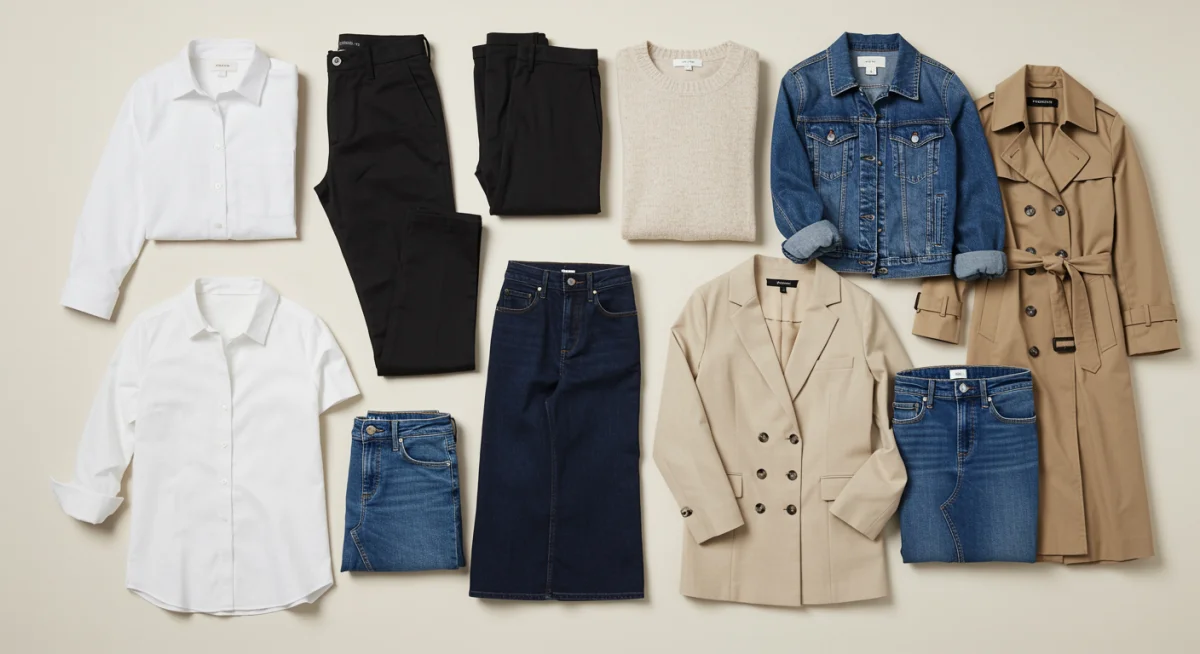
Now, from your ‘Love It & Wear It’ pile, begin to identify your potential 10 core pieces. These should be your most versatile, high-quality, and essential items. Aim for a mix of tops, bottoms, and layering pieces that align with your chosen color palette and lifestyle needs. Remember, these are the workhorses of your wardrobe.
Examples of common core pieces:
- Classic white or neutral t-shirt
- Well-fitting dark wash jeans
- Black or navy trousers/skirt
- Versatile button-down shirt (e.g., white, chambray)
- Neutral-colored sweater or cardigan
- Basic, versatile dress (e.g., black midi dress)
- Blazer or classic jacket (e.g., denim, leather)
- Another pair of versatile bottoms (e.g., tailored shorts, another pair of jeans in a different wash)
- A comfortable, stylish top that can be dressed up or down
- A classic layering piece (e.g., a lightweight trench coat, a long-sleeve tee)
Don’t worry if you don’t immediately have all 10 perfect pieces. This is just an initial selection. The goal is to understand what you already own that fits the bill. Document these items, perhaps by taking photos or listing them out.
Week 4: Gap Analysis & Wishlist Creation
Review your chosen core pieces. What’s missing? What gaps do you have that prevent you from making a wide range of outfits? For instance, if you have several tops but no versatile bottoms, that’s a gap. If you have great basics but no appropriate layering pieces for your climate, that’s another. Create a detailed wishlist of 2-3 items that would significantly enhance the versatility of your existing core pieces. This isn’t about impulsive shopping; it’s about strategic additions.
Consider:
- Functionality: Do you need something for a specific activity?
- Versatility: Can the new item be worn with multiple existing pieces?
- Quality: Is it a piece that will last and withstand frequent wear?
- Budget: Set a realistic budget for any new purchases.
By the end of Month 1, you should have a clear vision of your personal style, a decluttered closet, an initial selection of core pieces, and a strategic shopping list for any missing essentials. You’re now ready to start building!
Month 2: Building and Experimenting – Bringing Your Capsule Wardrobe to Life
Month 2 is where your capsule wardrobe plan truly takes shape. You’ll begin to strategically add new pieces (if needed), organize your closet, and most importantly, start experimenting with creating a multitude of outfits from your limited selection. This is the fun part, where you see the magic of versatility unfold.
Week 5: Strategic Shopping (If Necessary)
Based on your wishlist from Month 1, it’s time to make strategic purchases. Remember, the emphasis is on quality, versatility, and filling genuine gaps, not on acquiring more items for the sake of it. Shop with intention:
- Stick to Your List: Avoid impulse buys. Refer back to your style vision and lifestyle assessment.
- Prioritize Quality: Look for durable fabrics and good construction. These pieces will be worn frequently.
- Consider Secondhand: Thrift stores, consignment shops, and online marketplaces are excellent places to find unique, high-quality items at a fraction of the price, promoting sustainability.
- Try Before You Buy: Ensure items fit well and are comfortable. If shopping online, know your measurements and check return policies.
The goal is to finalize your 10 core pieces by the end of this week, ensuring they are cohesive and functional.
Week 6: Organizing Your Capsule & Accessory Integration
With your core 10 pieces (and perhaps a few essential accessories) now finalized, it’s time to organize your actual physical capsule. Dedicate a specific section of your closet or a drawer to these items. This visual separation helps reinforce the capsule concept and makes daily dressing easier.
- Visual Organization: Arrange items by type (e.g., tops, bottoms, layers) or by color. This helps you quickly see what you have.
- Accessory Power: Accessories are the secret sauce of a capsule wardrobe. They allow you to dramatically change the look and feel of an outfit without adding more clothing. Identify a small collection of versatile accessories:
- Shoes: 2-3 pairs (e.g., versatile sneakers, classic flats/heels, comfortable boots).
- Bags: 1-2 versatile bags (e.g., a practical tote, a stylish cross-body).
- Jewelry: A few key pieces (e.g., simple studs, a statement necklace, a classic watch).
- Scarves: Can add color, texture, and warmth.
- Belts: Define waistlines and add polish.
- Storage Solutions: Use hangers that don’t damage clothes, drawer dividers, and shoe racks to keep everything tidy and easily accessible.
Week 7: The Outfit Challenge – Creating 20+ Looks
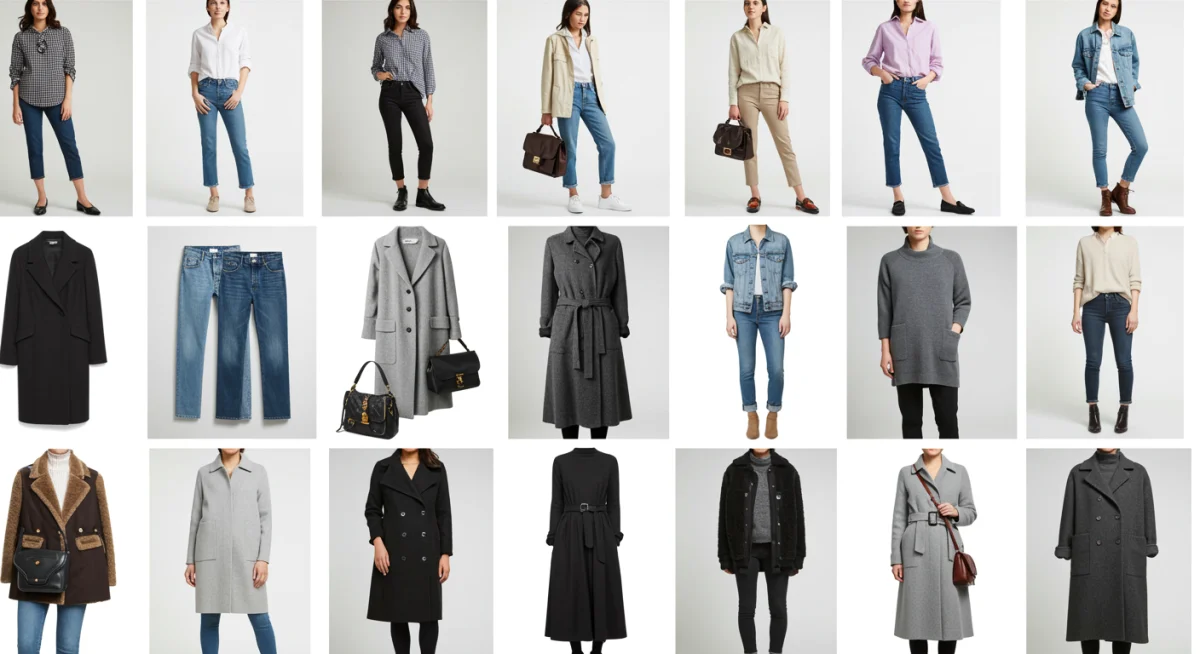
This is where your creativity shines! Take your 10 core pieces and start mixing and matching. The goal is to create at least 20 distinct outfits. Don’t just imagine them; physically put them together and try them on. This hands-on approach helps you discover unexpected combinations and understand the true versatility of your chosen items.
- Document Your Outfits: Take photos of each outfit you create. This will serve as a visual lookbook and a quick reference when you’re short on time.
- Think in Layers: How can you combine tops with different layering pieces (cardigans, blazers, jackets)?
- Vary Bottoms: Pair each top with different bottoms (jeans, trousers, skirts).
- Dress It Up/Down: How can you style a dress for both casual and more formal occasions? How do accessories change the formality of an outfit?
- Consider Occasions: Make sure you have outfits suitable for your different lifestyle categories.
You’ll be amazed at how many unique looks you can create with a limited number of items. This exercise is crucial for internalizing the principles of a capsule wardrobe plan.
Week 8: Reflection and Refinement
After a week of intensive outfit creation, take some time to reflect. What worked well? Were there any pieces that felt less versatile than you anticipated? Are there any missing elements that would unlock even more outfit possibilities?
- Evaluate Your Choices: Are your 10 core pieces truly serving you? Is anything underperforming?
- Consider Minor Swaps: If one core piece isn’t quite working, consider if you have a ‘Maybe’ item from Month 1 that could be a better fit, or if a small, strategic replacement is needed.
- Review Your Accessories: Are your accessories truly enhancing your outfits, or do you need to refine this collection as well?
- Journaling: Keep a journal of what you wear, what you like, and what you find challenging. This feedback is invaluable for long-term refinement.
By the end of Month 2, you should have a functional, organized capsule wardrobe, a visual record of numerous outfits, and a deeper understanding of how to maximize your clothing choices. You’re now ready to live with your capsule and experience its benefits firsthand.
Month 3: Living and Optimizing – Embracing Your New Capsule Wardrobe
The final month of your capsule wardrobe plan is all about integration and refinement. You’ll be actively living with your capsule, observing its effectiveness, and making small adjustments to ensure it perfectly suits your evolving needs and preferences. This is where the long-term benefits truly manifest.
Week 9: Daily Dressing with Intention
For this week, commit to exclusively wearing items from your capsule wardrobe. Use your photo lookbook from Week 7 as a guide, but also encourage yourself to experiment further. Pay attention to how you feel in your clothes and how easily you can get dressed each morning.
- Track Your Outfits: Continue to note down what you wear each day. Which combinations do you gravitate towards? Which pieces are getting the most wear? Which are neglected?
- Identify Comfort Zones: What types of outfits do you feel most comfortable and confident in? This helps solidify your personal style.
- Notice Gaps (Real Ones): Are there any genuine situations where you feel you lack an appropriate outfit? This isn’t about wanting more, but about identifying functional needs.
The goal here is to establish new habits and appreciate the efficiency and simplicity of your streamlined closet. The more you use your capsule, the more natural it will become.
Week 10: Seasonal Adjustments & Laundry Routines
While the core of your capsule should be timeless, some seasonal adjustments are inevitable. This week, think about how your capsule will adapt to changing weather or specific seasonal events.
- Seasonal Swaps: Consider if you need to swap out a lightweight sweater for a heavier one, or add a pair of summer shorts. These are usually 1-2 items that rotate in and out, not an overhaul.
- Proper Care: With fewer items, proper garment care becomes even more important. Establish a consistent laundry routine that protects your clothes and extends their lifespan. Learn about fabric care for your specific pieces.
- Repair and Maintain: Don’t let small rips or missing buttons go unaddressed. Promptly repair any damage to keep your items functional and looking their best.
A well-maintained capsule is a long-lasting capsule. This aspect of your capsule wardrobe plan contributes significantly to its sustainability.
Week 11: Accessorizing & Personal Touches
Revisit your accessory collection. Sometimes, a few well-chosen accessories can completely transform an outfit and breathe new life into your core pieces. This week, focus on how accessories can elevate and personalize your looks.
- Experiment with Scarves: Learn different ways to tie scarves to add flair to tops and jackets.
- Layer Jewelry: Play with layering necklaces or stacking bracelets to create different vibes.
- Shoe Power: Notice how changing your shoes can take an outfit from casual to formal or vice-versa.
- Hair & Makeup: Don’t forget that hair and makeup are also ‘accessories’ that can dramatically alter an outfit’s overall impression.
Little details make a big difference in a capsule wardrobe, allowing you to express your unique style even with a limited number of clothing items.
Week 12: Final Review & Long-Term Strategy
You’ve completed your 3-month journey! This final week is for a comprehensive review and planning for the future of your capsule wardrobe plan.
- Overall Assessment: How has your capsule wardrobe performed? What have you learned about your style? How has it impacted your daily routine, finances, and stress levels?
- Identify True Keepers: By now, you should have a very clear idea of your absolute favorite, most versatile pieces. These are your true core.
- Future Shopping Philosophy: Moving forward, adopt a ‘one in, one out’ policy for similar items, or only buy when a piece is truly worn out or a genuine need arises. Research new purchases thoroughly.
- Seasonal Refresh: Plan for a small seasonal refresh every 3-6 months, where you might swap a few items to adapt to weather or new trends that align with your core style.
- Embrace Imperfection: Your capsule wardrobe is a living, evolving entity. It doesn’t have to be perfect; it just needs to serve you well. Be flexible and willing to adjust as your life changes.
Congratulations! You’ve successfully built a functional, stylish, and sustainable capsule wardrobe that allows you to create 20+ outfits from just 10 core pieces. You’ve not only transformed your closet but also gained a deeper understanding of your personal style and a more intentional approach to consumption.
Benefits of Embracing a Capsule Wardrobe
Beyond the initial effort, the rewards of a well-executed capsule wardrobe plan are numerous and long-lasting:
- Saves Time: No more staring blankly into a crowded closet. Getting dressed becomes quick and effortless.
- Saves Money: You’ll buy fewer items, and those you do purchase will be high-quality and long-lasting, reducing the need for frequent replacements.
- Reduces Stress: Less clutter, fewer decisions, and a cohesive wardrobe lead to a calmer start to your day.
- Fosters Personal Style: By focusing on what truly suits you, you develop a stronger sense of your unique aesthetic.
- Promotes Sustainability: Buying less and making conscious choices reduces fashion waste and supports ethical consumption.
- Increases Versatility: You’ll learn to maximize each piece you own, discovering new outfit combinations you never thought possible.
- Boosts Confidence: Wearing clothes you love that fit well and reflect your style makes you feel more put-together and confident.
- Simplifies Travel: Packing becomes a breeze when all your clothes are mix-and-match friendly.
Common Misconceptions About Capsule Wardrobes
It’s important to address some common myths that might deter people from adopting a capsule wardrobe plan:
- It’s only for minimalists: While it aligns with minimalist principles, anyone can benefit. You don’t have to live with extreme few items; it’s about intentionality.
- It’s boring and lacks creativity: Quite the opposite! A limited wardrobe encourages creative styling through accessories and different combinations, pushing you beyond your comfort zone.
- You can’t follow trends: You can absolutely incorporate trends. The key is to do so strategically, perhaps through accessories or one or two seasonal ‘fun’ pieces that complement your core.
- It’s too restrictive: It’s less about restriction and more about liberation from decision fatigue and consumerism. It frees up mental space.
- It’s expensive to start: While investing in quality is encouraged, you don’t need to replace your entire wardrobe at once. Start with what you have, and add strategically over time. Secondhand shopping is also a great option.
Conclusion: Embrace the Freedom of a Curated Closet
Embarking on a capsule wardrobe plan is more than just a fashion choice; it’s a lifestyle shift. It’s about cultivating mindfulness in your consumption, celebrating your personal style, and simplifying your daily routine. Over these three months, you’ve learned to declutter, define, build, and optimize a wardrobe that truly serves you, effortlessly creating 20+ outfits from just 10 core pieces.
The journey to a simplified, intentional wardrobe is ongoing, but with the foundation you’ve built, you are well-equipped to maintain a closet that brings you joy, saves you time, and empowers you to feel confident in every outfit. Say goodbye to wardrobe woes and hello to effortless style and newfound freedom. Your beautifully curated closet awaits!
What are your favorite core pieces? Share your insights and successes in the comments below!