Anúncios
The rise of gender-neutral apparel is fundamentally reshaping the U.S. fashion landscape in 2026, reflecting a growing consumer demand for inclusivity, fluidity, and authentic self-expression beyond traditional gender norms.
The Rise of Gender-Neutral Apparel: A Trend Report on 2026’s Most Inclusive Styles Across the U.S. is more than just a fleeting fashion moment; it represents a profound cultural shift. As we navigate 2026, the lines distinguishing ‘men’s’ and ‘women’s’ fashion continue to blur, paving the way for collections that celebrate individuality and comfort above all else. This evolution is driven by a generation that values authenticity and rejects conventional sartorial boundaries, seeking clothing that truly reflects who they are.
Understanding the Shift: Why Gender-Neutral Apparel?
The movement towards gender-neutral apparel is deeply rooted in evolving societal perceptions of gender and identity. Consumers, particularly younger demographics, are increasingly rejecting binary classifications in all aspects of life, including their wardrobes. This isn’t merely about oversized t-shirts; it’s about thoughtful design, versatile pieces, and a commitment to inclusivity.
This paradigm shift is also fueled by a desire for practicality and sustainability. Gender-neutral clothing often emphasizes timeless designs and durable materials, encouraging a ‘buy less, choose well’ mentality. It allows individuals to build more cohesive and adaptable wardrobes that transcend seasonal trends and gendered expectations.
Anúncios
The Cultural Drivers Behind the Trend
Several significant cultural and social factors are propelling the gender-neutral apparel movement forward. These drivers reflect a broader societal push for greater acceptance and fluidity.
- Gen Z Influence: This demographic is leading the charge, valuing self-expression and rejecting traditional norms. They are vocal about their desire for clothing that doesn’t dictate gender.
- Social Media and Representation: Platforms like TikTok and Instagram amplify diverse voices and styles, showcasing how people of all genders can confidently wear the same garments.
- Celebrity Endorsement: Public figures and influencers embracing gender-neutral styles further normalize and popularize the trend, demonstrating its versatility and chic appeal.
- Focus on Comfort and Utility: Beyond aesthetics, there’s a growing demand for clothing that prioritizes comfort, functionality, and ease of wear for everyone.
The shift is evident in how brands are designing and marketing their collections. Many are moving away from segregated sections in stores and online, instead opting for unified displays that invite all shoppers to explore. This inclusive approach not only broadens their customer base but also fosters a more welcoming shopping experience.
Ultimately, the rise of gender-neutral apparel is a reflection of a society that is becoming more open, accepting, and less confined by rigid categories. It’s a movement that celebrates personal style as a form of self-identification, not as a reflection of gender stereotypes.
Anúncios
Key Design Principles for Inclusive Styles in 2026
Designing truly inclusive gender-neutral apparel goes beyond simply creating loose-fitting garments. It involves a fundamental rethinking of form, fit, and aesthetic. In 2026, designers are focusing on principles that ensure clothing is appealing and functional for a diverse range of body types and personal expressions.
The core of this approach lies in creating versatile pieces that can be styled in multiple ways, allowing individuals to adapt them to their unique preferences. This includes considering aspects like garment construction, fabric choices, and color palettes that resonate universally.
Versatility and Adaptability
Modern gender-neutral designs prioritize adaptability. This means creating clothing that can be layered, adjusted, or worn in different contexts. Think about elements that allow for customization, such as adjustable waistbands, convertible sleeves, or modular components.
Fabrics play a crucial role, with an emphasis on those that drape well on various body shapes without clinging or feeling restrictive. Sustainable materials are also favored, aligning with the conscious consumer values often associated with this trend.
- Adjustable Features: Drawstrings, elasticated waists, and detachable elements enhance fit for different body types.
- Layering Potential: Pieces are designed to be easily layered, offering flexibility in styling and temperature regulation.
- Timeless Silhouettes: Classic cuts and shapes that transcend fleeting trends ensure longevity and broad appeal.
- Neutral and Earthy Tones: While not exclusive, palettes featuring muted colors, grays, blues, and greens tend to offer universal appeal and ease of mixing and matching.
The focus is on creating a sense of ease and confidence for the wearer, regardless of their gender identity. It’s about offering choices that empower individuals to dress authentically without feeling constrained by traditional fashion categories.
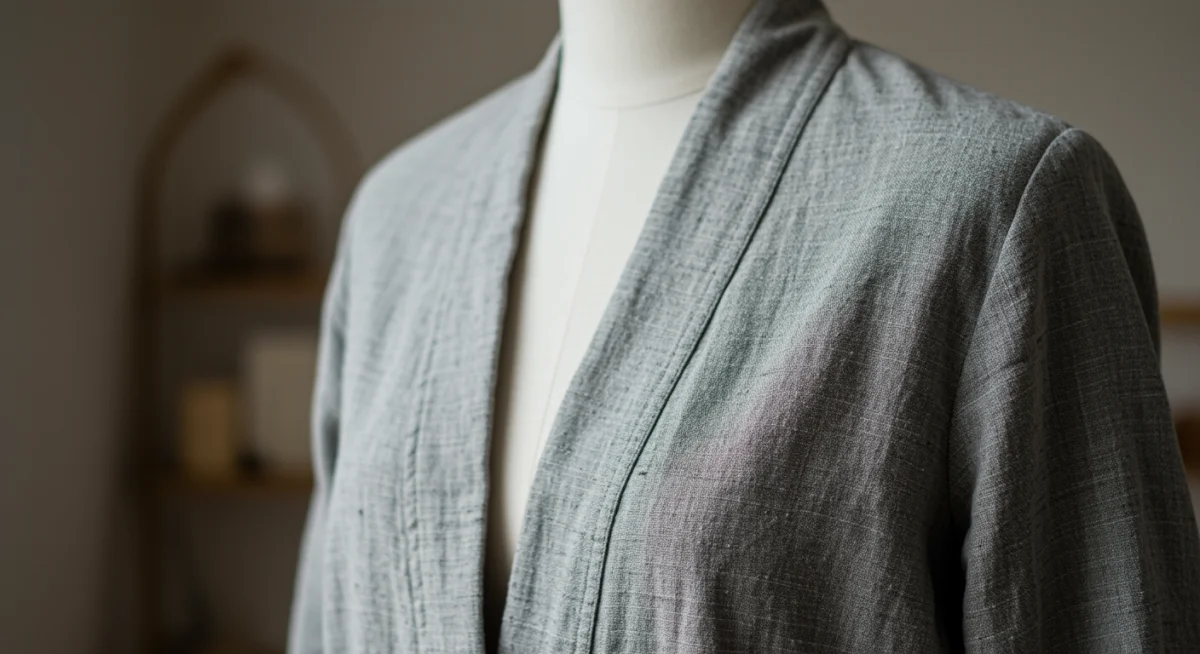
In conclusion, the design principles for 2026’s gender-neutral apparel are centered on thoughtful construction, material innovation, and a deep understanding of diverse consumer needs. These elements combine to create clothing that is both inclusive and stylish.
The Impact on Retail and E-commerce in the U.S.
The rise of gender-neutral apparel is profoundly reshaping how fashion is sold and marketed in the U.S. Retailers, both brick-and-mortar and online, are adapting their strategies to meet the demands of a more inclusive market. This involves rethinking store layouts, marketing campaigns, and even product categorization.
Traditional divisions between ‘men’s’ and ‘women’s’ sections are becoming obsolete for many progressive brands. Instead, we’re seeing unified displays and online filters that prioritize style, fit, and occasion over gender. This creates a more welcoming and less restrictive shopping experience for all consumers.
Shifting Store Layouts and Marketing
Physical stores are experimenting with open-plan layouts where clothing is displayed by style or collection rather than gender. Mannequins are increasingly diverse, representing a spectrum of body types and presentations. Visual merchandising aims to inspire personal expression rather than adherence to gender norms.
E-commerce platforms are also innovating. Websites are implementing advanced filtering options that allow customers to search by aesthetic, fabric, or fit, effectively bypassing traditional gender labels. Product descriptions are becoming more inclusive, focusing on the garment’s features and how it can be worn by anyone.
- Unified Sections: Retailers are merging men’s and women’s departments into single, cohesive spaces.
- Inclusive Marketing Campaigns: Advertising features diverse models showcasing the same garments, emphasizing universality.
- Personalized Shopping Experiences: Online tools offer recommendations based on style preferences, not assumed gender.
- Size Inclusivity: A broader range of sizes is becoming standard, ensuring clothing fits more body types comfortably.
The shift also extends to the language used in marketing. Brands are moving away from gendered terms, opting for descriptions that highlight comfort, versatility, and individual style. This subtle yet powerful change helps to destigmatize certain clothing types and encourages a broader audience to explore new options.
In essence, the retail landscape is evolving to reflect a more fluid and inclusive consumer base, making fashion more accessible and less prescriptive for everyone.
Sustainable Practices and Ethical Production in Gender-Neutral Fashion
The movement towards gender-neutral apparel often intertwines with a broader commitment to sustainability and ethical production. Consumers who seek inclusive clothing are frequently also those who prioritize environmental responsibility and fair labor practices. This convergence is driving significant changes in the fashion industry.
Brands embracing gender-neutral designs are increasingly adopting eco-friendly materials, minimizing waste, and ensuring transparent supply chains. This holistic approach resonates deeply with values-driven consumers who want their purchases to align with their ethical stance.
Eco-Conscious Materials and Manufacturing
The choice of materials is central to sustainable gender-neutral fashion. Organic cotton, recycled polyester, hemp, and innovative bio-based fabrics are becoming commonplace. These materials reduce environmental impact, from cultivation to disposal.
Beyond materials, ethical production practices are paramount. This involves ensuring fair wages, safe working conditions, and minimal environmental footprint throughout the manufacturing process. Brands are increasingly transparent about their supply chains, allowing consumers to make informed choices.
- Circular Design Principles: Emphasizing durability, repairability, and recyclability to extend garment life.
- Reduced Waste: Utilizing techniques like zero-waste pattern cutting and on-demand production to minimize fabric waste.
- Fair Labor Standards: Partnering with factories that uphold ethical labor practices and provide fair compensation.
- Local Production: Some brands opt for local manufacturing to reduce transportation emissions and support regional economies.
The inherent versatility of gender-neutral clothing also contributes to sustainability. Pieces designed to be worn by anyone, across different seasons and occasions, encourage a more minimalist wardrobe. This reduces the need for frequent purchases, combating fast fashion’s wasteful cycle.
Ultimately, the fusion of gender-neutral design with sustainable and ethical practices creates a powerful force for positive change within the fashion industry, offering consumers choices that are good for both people and the planet.
Emerging Brands and Established Players Leading the Charge
The shift towards gender-neutral apparel is being championed by both innovative emerging brands and forward-thinking established players in the U.S. market. This dual approach signifies the mainstreaming of inclusive fashion, moving it beyond a niche concept into a core component of contemporary style.
Emerging brands often have gender-neutrality embedded in their DNA, building their entire ethos around inclusivity. Meanwhile, larger, more traditional fashion houses are adapting their strategies, introducing gender-fluid collections or even entirely re-evaluating their brand identity to cater to this growing demand.
Pioneering New Approaches
Smaller, direct-to-consumer brands are particularly agile in responding to consumer desires for gender-neutral options. They often leverage social media to connect directly with their audience, building communities around shared values of inclusivity and authenticity. These brands frequently offer customizable sizing and styling advice.
On the other hand, established fashion giants are recognizing the commercial and cultural imperative to embrace this trend. They are investing in research and development to create collections that appeal to a broader demographic, often collaborating with designers known for their gender-fluid aesthetics.
- Direct-to-Consumer (DTC) Brands: Many new brands are founded on gender-neutral principles, offering unique designs and fostering strong community ties.
- High Fashion Adaptations: Luxury brands are incorporating gender-fluid elements into their runway shows and ready-to-wear collections.
- Mainstream Retailer Inclusivity: Major retailers are expanding their gender-neutral offerings, often creating dedicated sections or curating existing products differently.
- Collaborations: Partnerships between brands and gender-fluid designers or influencers are becoming common, bringing fresh perspectives to the market.
The competitive landscape is pushing all players to innovate. Brands that fail to acknowledge this shift risk alienating a significant portion of the market, particularly younger consumers who expect fashion to be reflective of modern societal values. The brands leading the charge are not just selling clothes; they are selling a vision of a more inclusive and expressive future.
In summary, the combined efforts of new and established brands are accelerating the adoption of gender-neutral apparel, making it a permanent fixture in the U.S. fashion scene.
The Future Outlook: Beyond 2026 for Gender-Neutral Fashion
Looking beyond 2026, gender-neutral apparel is poised to evolve even further, becoming an intrinsic part of the fashion landscape rather than a distinct trend. The foundational shifts in consumer mindset and design philosophy suggest a future where clothing is inherently designed for human expression, detached from traditional gendered categories.
We can anticipate continued innovation in materials, fit technology, and retail experiences, all geared towards maximizing comfort, versatility, and individual choice. The industry will likely see a deeper integration of digital tools, such as AI-powered sizing and virtual try-ons, to enhance the personalized aspect of gender-neutral shopping.
Technological Integration and Personalization
Advancements in technology will play a significant role in shaping the future of gender-neutral fashion. AI and machine learning could offer highly personalized styling recommendations, not based on gender, but on individual body measurements, style preferences, and even mood.
Furthermore, the growth of augmented reality (AR) and virtual reality (VR) in retail will allow consumers to virtually experience how gender-neutral garments would look and feel on their own bodies, transcending the limitations of physical stores or traditional size charts.
- AI-Powered Customization: Algorithms will offer bespoke fit adjustments and style suggestions for universal garments.
- Digital Fashion and Avatars: Virtual clothing and avatars will lead the way in showcasing truly gender-agnostic styles in digital spaces.
- Adaptive Apparel: Increased focus on designs that cater to diverse abilities, further extending the concept of inclusivity.
- Hyper-Localized Production: On-demand manufacturing could become more prevalent, allowing for bespoke gender-neutral pieces tailored to individual specifications.
The conversation around gender-neutral fashion will also likely broaden to encompass other forms of inclusivity, such as adaptive clothing for people with disabilities, and further explore the intersection of culture and identity in dress. Fashion will increasingly be seen as a tool for empowerment and a reflection of a more equitable society.
In conclusion, the trajectory for gender-neutral fashion is one of continuous growth and integration, promising a future where style is truly limitless and universally accessible.
| Key Aspect | Description |
|---|---|
| Cultural Shift | Growing societal acceptance of gender fluidity drives demand for inclusive apparel beyond binary norms. |
| Design Principles | Focus on versatility, adaptable fits, and universal aesthetics suitable for all body types and expressions. |
| Market Adaptation | Retailers are reconfiguring layouts and marketing to offer unified, non-gendered shopping experiences. |
| Sustainability Link | Strong correlation between gender-neutrality and demand for ethical production and eco-friendly materials. |
Frequently Asked Questions About Gender-Neutral Apparel
Gender-neutral apparel refers to clothing designed and marketed without specific gender associations. It emphasizes versatile styles, adaptable fits, and universal aesthetics that can be comfortably and stylishly worn by anyone, regardless of their gender identity or expression. The focus is on individual choice and comfort.
It promotes inclusivity by breaking down traditional fashion barriers and offering choices that aren’t restricted by gender norms. This allows individuals to express themselves authentically, ensuring everyone feels represented and empowered to wear what they love, free from societal expectations or stereotypes related to gender.
No, gender-neutral clothes are designed to be inclusive of a wide range of body types. Many brands focus on adaptable fits, adjustable features, and versatile silhouettes that flatter diverse shapes. The goal is to move beyond conventional sizing and create garments that offer comfort and style for everyone.
Sustainability is a significant component, as consumers interested in gender-neutral fashion often prioritize ethical and eco-friendly practices. Brands frequently use sustainable materials, focus on durable designs, and ensure transparent supply chains, aligning with a broader conscious consumption movement that values longevity and reduced environmental impact.
In 2026, gender-neutral apparel is widely available across the U.S., from dedicated online boutiques to major retailers. Many brands now offer specific gender-fluid collections, and some have even reorganized their stores to feature unified, non-gendered sections. Look for brands emphasizing inclusivity and versatile designs.
Conclusion
The evolution of gender-neutral apparel in the U.S. by 2026 signifies a pivotal moment in fashion history. It reflects a deeper cultural resonance, where personal identity and authentic self-expression are paramount. This trend is not merely about clothing; it’s a testament to a society increasingly valuing inclusivity, sustainability, and individual freedom. As designers continue to innovate and retailers adapt, gender-neutral fashion will undoubtedly become a fundamental pillar of how we dress, moving beyond trends to establish a new, more expansive definition of style for everyone.