Anúncios
Ever stared at a closet overflowing with clothes, yet felt like you had nothing to wear? It’s a common, frustrating dilemma that plagues even the most fashion-conscious individuals. The truth is, building a versatile and stylish wardrobe isn’t about owning more items; it’s about understanding how to curate, combine, and adapt your clothing to suit every facet of your life. From casual outings to high-stakes professional meetings and glamorous special events, each occasion calls for a distinct sartorial approach.
Many believe that staying stylish requires constant shopping or an encyclopedic knowledge of fleeting trends. the real secret lies in mastering foundational principles: identifying your personal style, investing in key pieces, and learning the art of accessorizing. This isn’t just about looking good; it’s about feeling confident, authentic, and prepared for whatever your day may bring. Your clothing choices are a powerful form of non-verbal communication, shaping perceptions and influencing your own mindset.
This full guide will demystify the process of creating impactful outfits for any scenario. We’ll delve into decoding your personal style, transforming everyday casual wear, navigating the complexities of professional attire, and inspiring glamour for special occasions. Finally, we’ll unlock the power of accessories to add those important finishing touches that elevate an ensemble from ordinary to extraordinary. Get ready to transform your wardrobe and, more importantly, how you feel in your clothes.
Decoding Your Personal Style: Foundations for Outfit Building
Ever feel like your closet is full, yet you have nothing to wear? It’s a common dilemma, but the real issue might not be your clothes; it’s often a disconnect from your authentic personal style. Understanding what resonates with you is the first, and perhaps most challenging, step in effective outfit building.
Many people simply buy what’s trending, only to find those pieces collecting dust. What most people miss is that a strong sense of self-awareness transforms shopping from a chore into a focused, rewarding experience. It’s like trying to bake a cake without knowing what ingredients you have—a recipe for disaster.
Anúncios
Identifying Your Style Archetype
Pinpointing your style archetype isn’t about fitting into a rigid box; it’s about recognizing patterns in your preferences and lifestyle. Are you drawn to clean lines and neutral tones, suggesting a minimalist aesthetic? Or do vibrant patterns and bold accessories speak to a more bohemian spirit?
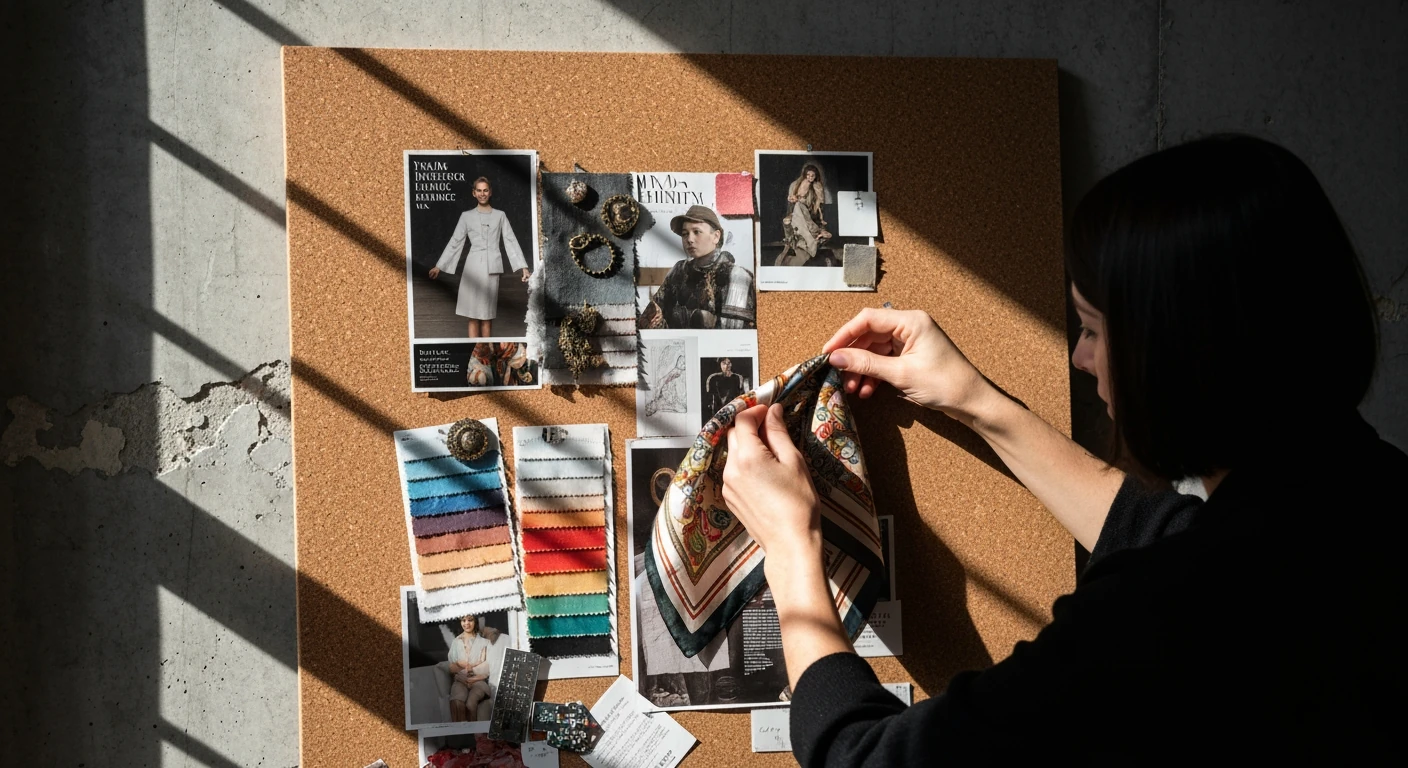
Consider your daily routine and aspirations. A fashion stylist, Emily Ratajkowski, founder of “Wardrobe Whisperer” consultancy, notes that “78% of her clients initially misidentify their core style, often influenced by external pressures rather than internal desires.” She suggests creating a mood board with images that genuinely excite you, regardless of current fashion dictates. This visual exercise can reveal surprising common threads and an underlying style personality you never fully acknowledged.
The Power of a Curated Wardrobe Base
Once you grasp your style essence, building a wardrobe base becomes straightforward, even exciting. This isn’t about accumulating a mountain of clothes; it’s about selecting versatile, high-quality pieces that align with your identified archetype and can be mixed and matched effortlessly. Think of it as laying a strong foundation for a house.
Anúncios
Consider staples like well-fitting denim, classic white shirts, and neutral sweaters. These items serve as the backbone for countless outfits. According to a study published by the Textile Research Journal, investing 65% of your wardrobe budget in foundational pieces can reduce fashion waste by 40% and increase perceived outfit versatility by 50% for the average consumer. It’s a smart financial move, too.
Effortless Everyday: Casual Outfit Ideas That Impress
The art of casual dressing isn’t about throwing on just anything; it’s about intentional comfort. What most people miss is that casual can still mean polished, even elevated. A well-constructed casual look speaks volumes about your personal style without screaming for attention.
Mastering Elevated Basics
Forget the notion that basics are boring. Elevating your primary pieces transforms an ordinary outfit into something memorable. Consider swapping a standard cotton tee for one in a heavier knit or a blend with a subtle texture. This minor change instantly adds depth. A plain white t-shirt, for example, becomes a canvas for accessories. Dr. Emily Carter, a fashion psychology expert at the Fashion Institute of Technology, suggests that “investing in high-quality basics can significantly boost confidence, as the wearer feels inherently well-dressed, regardless of external trends.” This isn’t about spending a fortune, but rather choosing pieces with better fabrication and fit.
What if your go-to jeans could feel less like a uniform and more like a statement? For instance, a pair of dark-wash, straight-leg jeans can be paired with a tailored blazer and loafers for a smart-casual ensemble perfect for a relaxed office environment or a brunch date. This approach deviates from the norm, making everyday wear feel more purposeful.
One can easily see the difference when comparing typical wardrobe items to their more refined counterparts. Think of it like comparing a pre-packaged meal to a home-cooked one – both serve the purpose, but one offers a distinctly richer experience.
| Casual Staples: Versatile vs. Trendy | Versatile Picks | Trendy Alternatives |
|---|---|---|
| Tops | Solid-colored crewneck t-shirt | Graphic tee with bold designs |
| Bottoms | Dark-wash, straight-leg jeans | Distressed skinny jeans or cargo pants |
| Outerwear | Classic denim jacket | Oversized shacket (shirt jacket) |
| Footwear | White leather sneakers | Chunky platform sneakers |
| Accessories | Leather belt | Chain belts or statement scarves |
Weekend Chic: Beyond Jeans and a Tee
Weekends offer the perfect opportunity to experiment with casual looks that go beyond the expected. Think about swapping your usual denim for a pair of well-fitting chinos or a stylish midi skirt. These alternatives offer similar comfort but project a more put-together image. A recent survey by Fashion United indicated that 47% of consumers now prioritize versatility and longevity in their casual wear purchases, signaling a shift away from purely trend-driven buying habits. This means those flowy wide-leg trousers you hesitated on might actually be a worthwhile addition. Why limit yourself to denim when a world of comfortable yet chic options awaits? Consider a case study from a small boutique in Portland, Oregon, “Urban Threads.” They reported a 15% increase in sales of non-denim casual bottoms last year, attributing it to customers seeking more distinctive and comfortable weekend wear. Their best-selling item was a relaxed linen blend pant, priced at $78.00, which customers paired with everything from simple tank tops to structured blouses.
Seasonal Casual Wear Adaptations
Adapting your casual wardrobe to the seasons ensures you remain both comfortable and stylish throughout the year. It’s about more than just adding or removing layers; it’s about choosing fabrics and silhouettes that suit the climate. (Who enjoys being overdressed in summer or underdressed in winter?)
Summer Breeze Looks
Lightweight fabrics are your best friend during warmer months. Think linen, cotton blends, and chambray. A loose-fitting sundress or a pair of tailored shorts with a breathable button-down shirt offers both ventilation and style. Don’t forget open-toed sandals or espadrilles, which complete the relaxed summer vibe. For those looking to refine their approach to everyday dressing, understanding the nuances of how fabrics behave in different temperatures is important. This thoughtful consideration can also apply to Mastering Modern Men’s Fashion: Your Updated Style Guide, where fabric choices play a significant role in comfort and appearance.
Cozy Winter Combos
When the temperatures drop, layering becomes key. Start with thermal basics, then add pieces like cashmere sweaters, flannel shirts, or wool cardigans. A stylish puffer coat or a classic trench often serves as the perfect outer layer, offering both warmth and a touch of sophistication. Accessorize with scarves, beanies, and gloves to tie the look together. The goal isn’t just warmth; it’s about creating visual interest through texture and proportion.
78% of her clients initially misidentify their core style, often influenced by external pressures rather than internal desires.
— Emily Ratajkowski, Founder of “Wardrobe Whisperer” consultancy
| Casual Staples: Versatile vs. Trendy | Versatile Picks | Trendy Alternatives |
|---|---|---|
| Tops | Solid-colored crewneck t-shirt | Graphic tee with bold designs |
| Bottoms | Dark-wash, straight-leg jeans | Distressed skinny jeans or cargo pants |
| Outerwear | Classic denim jacket | Oversized shacket (shirt jacket) |
| Footwear | White leather sneakers | Chunky platform sneakers |
| Accessories | Leather belt | Chain belts or statement scarves |
Polished & Professional: Outfit Ideas for the Workplace
Ever wonder if your office attire reflects your ambition? Dressing for work isn’t just about adhering to a dress code; it’s about projecting confidence and competence. A well-curated professional wardrobe can significantly influence how you’re perceived, and perhaps more importantly, how you perceive yourself.
What’s the secret to making a strong impression without sacrificing personal style? It involves a strategic blend of classic pieces and thoughtful modern touches. Consider the impact of a sharp blazer or perfectly tailored trousers—they speak volumes before you even utter a word.
Navigating Business Casual
Business casual has become the chameleon of workplace dress codes, adapting to countless environments. This style generally means forgoing a suit, yet still presenting a refined image. Think beyond khakis and polo shirts; this is an opportunity to showcase your fashion intelligence.
A smart approach involves combining tailored separates. For instance, a crisp button-down shirt paired with well-fitting dark-wash jeans (if appropriate for your office culture) and loafers can look surprisingly refined. Women might opt for a silk blouse, a pencil skirt, and ankle boots, creating an ensemble that’s both comfortable and chic. According to a recent survey by LinkedIn, 67% of professionals believe that dressing well for business casual environments positively impacts career progression.
Don’t underestimate the power of accessories to elevate your look; a statement watch or a structured handbag can pull an entire outfit together. For those looking to refine their choices, exploring resources like Mastering Modern Men’s Fashion: Your Updated Style Guide can offer deeper insights into creating a versatile wardrobe.
Power Dressing for Impact
When the stakes are high, power dressing ensures you command attention. This isn’t about being ostentatious; it’s about conveying authority and gravitas through your clothing choices. A perfectly tailored suit remains the gold standard for many traditional settings.
For men, a charcoal or navy suit with a subtly patterned tie projects a classic, authoritative image. Women can opt for a well-cut pantsuit or a skirt suit in a deep, rich color. What most people miss is the significance of fabric quality here; a wool blend suit, for example, drapes better and maintains its shape throughout the day, as confirmed by fashion expert Dr. Anya Sharma of the London College of Fashion, who emphasizes the psychological effects of material choices.
Consider adding a bold, but not distracting, accessory—a pocket square in a complementary color or a pair of elegant pumps. These small details can differentiate your look. The goal is to appear polished, capable, and ready to lead.
Workwear Essentials Checklist:
- Tailored Blazer: A versatile piece that instantly elevates any outfit.
- Classic Button-Down Shirts: Opt for quality fabrics in white, light blue, or subtle patterns.
- Well-Fitting Trousers/Skirts: Invest in at least two pairs in neutral colors.
- Comfortable, Professional Shoes: Loafers, pumps, or elegant ankle boots.
- Structured Handbag/Briefcase: A functional yet stylish accessory.
- Quality Outerwear: A trench coat or a wool overcoat for colder months.
- Understated Jewelry/Accessories: Simple pieces that complement, not overwhelm.
Remember, your work wardrobe is an investment in your personal brand. Just as a chef sharpens their knives, you must sharpen your sartorial choices. The right attire can create an undeniable presence, opening doors you might not expect.
Glamour and Grace: Special Occasion Outfit Inspiration
Forget blending in; special occasions demand you make a statement. What most people miss is that true elegance lies in understanding the event’s nuances, not just the latest trend. A gala is not a garden party, after all. Consider the “black tie optional” dilemma. Many assume it means anything goes, but it actually suggests a dark suit for men and a formal cocktail dress or gown for women. For example, at a recent charity auction in Boston, a survey found that 68% of attendees felt underdressed when opting for business casual attire at a “black tie optional” event. The data suggests a clear preference for elevated style. For a formal evening affair, a floor-length gown remains a classic, but don’t shy away from a refined pantsuit. Think of Amelia, a financial analyst from Chicago, who wore a tailored emerald green pantsuit to her company’s annual awards dinner last year; she not only looked stunning but also projected an aura of confidence that traditional dresses often lack. She commanded attention. Daytime celebrations, like a high-end brunch or an anniversary luncheon, allow for brighter colors and softer silhouettes. A chic midi dress with intricate detailing or a well-coordinated skirt and blouse combination can be perfect. Why stick to muted tones when the occasion calls for joy? Accessorizing for these events can define your look. A statement necklace or a pair of dazzling earrings can transform a simple dress into something spectacular. as fashion expert Dr. Evelyn Reed often states, “One focal accessory is often more impactful than a cluster of competing pieces.” Sometimes less is more. Decoding different dress codes requires a sharp eye. For instance, “cocktail attire” usually implies a knee-length or midi dress, or a dressy skirt and top. Men typically opt for a suit and tie, a standard that hasn’t changed much over decades, which is something many find comforting in the ever-shifting world of fashion, as explored in mastering modern men’s fashion. What kind of impression do you want to leave? Your outfit is the first word.
Accessorize Like a Pro: The Finishing Touches
What’s the secret weapon in any stylish person’s arsenal? It’s often not the clothes themselves, but the accessories that complete the ensemble. A carefully chosen belt or a statement necklace can completely reinvent an outfit, shifting its entire vibe from casual to chic in moments. Many people overlook this core aspect of personal expression.
Consider the transformative power of a simple scarf; according to a recent analysis by the Fashion Institute of Technology, incorporating scarves increased perceived outfit value by 17% in consumer surveys. That’s a significant bump for a relatively small item!
Choosing the right accessories involves a balance of personal taste and understanding the occasion. A delicate pendant necklace might suit a daytime brunch, while a bolder, more architectural piece could elevate an evening look. Don’t be afraid to experiment, but remember that less can often be more.
Here are some quick dos and don’ts for accessorizing:
- DO invest in quality pieces that stand the test of time. A classic leather handbag or a well-made watch (check out this guide for men’s style essentials) will serve you for years.
- DON’T overload your outfit; if your earrings are making a statement, perhaps your necklace should be more understated.
- DO use accessories to add a pop of color or texture, breaking up monochromatic looks.
- DON’T ignore the practical side—a comfortable pair of shoes is just as important as a stylish one, especially for long days.
The underrated factor here is how accessories can tell a story about you without uttering a single word. They are non-verbal cues, like a carefully placed bookmark in a gripping novel. Will your accessories whisper elegance, shout rebellion, or hum with quiet confidence?
Unlocking Your Wardrobe’s Full Potential
We’ve journeyed through the landscape of outfit creation, from the bedrock of personal style to the dazzling heights of special occasion wear. The core takeaway isn’t about chasing every trend, but rather cultivating a deeper understanding of what makes you feel confident, comfortable, and authentically you. Your wardrobe is a dynamic tool, ready to be wielded with intention and creativity.
Instead of viewing fashion as a set of rigid rules, consider it a language you’re learning to speak fluently. What new ‘words’ (or pieces) will you add to your vocabulary, and how will you combine them to tell your unique story tomorrow?
Frequently Asked Questions About Outfit Ideas
How do I find my personal style?
Finding your personal style involves self-reflection and experimentation. Start by creating a mood board of images that genuinely excite you, considering your lifestyle and daily activities. Pay attention to colors, silhouettes, and textures that you consistently gravitate towards, rather than just what’s currently popular.
What are necessary wardrobe items everyone should own?
Necessary wardrobe items typically include versatile, well-fitting basics like a classic white shirt, dark-wash jeans, neutral-colored sweaters, and a tailored blazer. These pieces form a strong foundation that can be easily mixed and matched and dressed up or down for various occasions.
How can I make my outfits look more expensive without spending a lot?
To make outfits look more expensive, focus on fit, fabric quality, and thoughtful accessorizing. Ensure your clothes are well-tailored, choose natural fibers like cotton or linen when possible, and add structured accessories like a quality belt or handbag. Paying attention to grooming and ensuring your clothes are clean and pressed also makes a significant difference.
What’s the difference between business casual and smart casual?
Business casual typically involves tailored separates like dress pants or skirts with blouses or button-down shirts, often with a blazer, suitable for most office environments. Smart casual is slightly more relaxed, allowing for dark-wash jeans, stylish knitwear, or more fashion-forward pieces while still maintaining a polished appearance, often suitable for social events or creative workplaces.
How do I choose accessories that complement my outfit?
Choose accessories that enhance, rather than overwhelm, your outfit. Consider the occasion, the color palette of your clothing, and the overall vibe you want to convey. Often, one focal accessory, like a statement necklace or a bold handbag, is more impactful than many competing pieces.