Anúncios
That familiar feeling of staring into a closet packed with clothes, yet feeling like you have nothing to wear, is a universal frustration. It’s a daily paradox that suggests the problem isn’t a lack of options, but a lack of strategy. We’re often led to believe that staying stylish requires a constant influx of new items, chasing fleeting trends that leave us with a wardrobe full of disconnected pieces. But what if the secret to effortless, everyday fashion wasn’t about adding more, but about being smarter with what you already have?
The answer lies in shifting your perspective from consumption to curation. It’s about building a foundational wardrobe of high-quality, versatile staples that reflect your lifestyle and personality. This approach moves beyond the fast-fashion cycle, focusing instead on timeless pieces that can be mixed, matched, and layered in countless ways. By investing in a core collection, you create a reliable canvas that allows you to experiment with trends on your own terms, rather than being dictated by them. This method not only simplifies your morning routine but also cultivates a more sustainable and personal relationship with your clothes.
This guide will walk you through the primary steps to unlock the hidden potential within your closet. We’ll start by identifying the non-negotiable staples that form the bedrock of any great wardrobe and discuss how to invest wisely in quality over quantity. From there, you’ll discover how to inject your unique personality using accessories, color, and texture. We will also explore practical outfit formulas to eliminate decision fatigue and provide hacks for maintaining your garments to ensure they last. By the end, you’ll be equipped to build a wardrobe that works for you, making everyday style feel both achievable and authentic.
The Foundation of Effortless Style: Building Your Core Wardrobe
Great personal style isn’t about having a closet bursting with the latest trends. Instead, it’s built on a solid collection of high-quality, versatile pieces that work for you, not against you. Think of it like a chef’s pantry; with the right core ingredients, you can create countless amazing meals. This collection, often called a capsule wardrobe, is your secret weapon for making getting dressed simple and enjoyable.
It eliminates decision fatigue. It makes packing a breeze. The underrated factor here is the confidence that comes from knowing everything in your closet looks good on you and works together seamlessly. Creating this foundation allows you to experiment with trends without overhauling your entire look.
Anúncios
Identifying Your Style Staples
While your personal staples will reflect your lifestyle and aesthetic, a set of timeless pieces provides a universal starting point. These items are the building blocks for nearly any look, offering endless combinations. What really makes these essentials work is their ability to provide countless outfit ideas with minimal effort. You can mix and match them endlessly.
Here is a foundational checklist to get you started:
- A Classic White T-Shirt: Choose a cut and fabric—like Pima cotton—that feels great on your skin.
- Perfectly-Fitting Jeans: A dark wash, straight-leg or slim-fit pair can be dressed up or down.
- A Tailored Blazer: Instantly adds polish to jeans or structure to a dress.
- A Versatile Dress: The Little Black Dress (LBD) is classic, but a navy or charcoal slip or wrap dress works just as well.
- A Neutral Knit Sweater: A cashmere or merino wool crewneck in grey, navy, or camel is a year-round ally.
- A Timeless Trench Coat or Overcoat: This outerwear piece elevates any outfit, rain or shine.
- Comfortable White Sneakers: A clean, minimalist pair goes with everything from dresses to trousers.
- Smart Leather Loafers or Flats: Perfect for work or weekend errands when you need a step up from sneakers.
- A Structured Handbag: A quality leather or vegan leather tote or crossbody in a neutral color holds its own.
- Simple, Elegant Jewelry: Think a delicate gold chain, simple hoops, or a classic watch.
Quality Over Quantity: Investing Wisely
The philosophy behind a core wardrobe is to buy less, but buy better. It’s a shift away from fast fashion’s constant churn and toward intentional purchasing. The goal is to acquire pieces that will last for years, not just a single season. This approach is key to redefining everyday fashion as something sustainable and personal.
Anúncios
Consider the concept of cost-per-wear. A $200 blazer worn 100 times costs just $2 per wear. A $30 trendy top worn three times costs $10 per wear. The data backs this up; a study from The Business of Fashion suggests that people wear their favorite, higher-quality items up to 85% more often than their fast-fashion purchases. But does paying more always guarantee quality? Not necessarily—which is why understanding fabrics and construction is so important.
This is where you become a smart shopper. You start reading labels, feeling the material, and checking the stitching. It’s less about the price tag and more about the intrinsic value of the garment. This mindset shift helps you build a wardrobe that can effortlessly transition through the seasons and evolve with your personal style. Your closet becomes a curated collection, not a chaotic jumble.
Beyond the Basics: Injecting Personality into Daily Looks
With a solid foundation of wardrobe essentials, the next step is making those pieces uniquely yours. Think of your core clothing like a blank canvas; accessories, color, and patterns are the paints you use to create a personal masterpiece. Adding your personality isn’t about buying a whole new closet, but about the strategic details that transform a generic outfit into a statement of who you are. This is the heart of redefining everyday fashion for modern living.
Accessories are arguably the most powerful tools in your style arsenal. A simple white t-shirt and jeans can be preppy with a pearl necklace, edgy with a chunky silver chain, or bohemian with a colorful scarf. According to a recent survey by the Parsons School of Design, over 70% of stylists agree that a statement bag or a unique belt can completely alter an outfit’s perceived value and intent. But how do you know which piece will work? The underrated factor here is proportion and texture—a wide leather belt cinching a soft, flowy dress creates an interesting contrast that instantly draws the eye.
Color is another immediate way to inject life into your look. Even if your wardrobe is mostly neutral, a single pop of vibrant color can make all the difference. Try a pair of cobalt blue shoes with an all-black outfit or a bright yellow bag with a navy blazer. Playing with color combinations can feel intimidating, but starting with one accent piece is a simple entry point for creating more inventive outfit ideas for every occasion.
Incorporating trends also keeps your daily style feeling fresh. You don’t need to adopt every new look that comes down the runway. Instead, you can subtly nod to what’s current. If oversized blazers are having a moment, as often highlighted by celebrity women shaping fashion, try one with your favorite classic jeans. This approach allows you to participate in trends on your own terms (and frankly, it’s a lot more budget-friendly). It’s about filtering what’s popular through your own personal lens.
Your style becomes a living, breathing part of your identity.
Ultimately, the goal is to build a visual language that speaks for you before you even say a word. It’s a process of trial and error, so don’t be afraid to experiment. That scarf might not work, but that belt just might become your new signature.
Over 70% of stylists agree that a statement bag or a unique belt can completely alter an outfit’s perceived value and intent.
— Parsons School of Design
| Core Item | Look 1: Weekend Errands | Look 2: Casual Work Day | Look 3: Evening Drinks |
|---|---|---|---|
| Dark Wash Jeans | White T-shirt, sneakers, denim jacket. | Silk blouse, blazer, loafers. | Lace camisole, leather jacket, heeled boots. |
| Black Blazer | Over a graphic tee with jeans and sneakers. | With tailored trousers and a button-down shirt. | Draped over a slip dress with heels. |
| White Button-Down | Worn open over a tank top with shorts. | Tucked into a midi skirt with block heels. | Tied at the waist over high-waisted trousers. |
| Midi Skirt (Satin) | With a chunky knit sweater and combat boots. | With a fitted turtleneck and a tailored blazer. | With a camisole, strappy sandals, and a clutch. |
Mastering the Mix: Creative Outfit Formulas for Any Day
Moving beyond individual pieces to build cohesive looks is where personal style comes to life. It’s less about having a closet packed with clothes and more about understanding the architecture of an outfit. Think of it like cooking with staple ingredients; once you master a few base recipes, you can create endless variations. The same principle applies to your wardrobe, turning a few versatile items into a reliable source of everyday fashion confidence.
The core idea is to create go-to combinations that eliminate morning decision fatigue. These aren’t rigid rules but flexible frameworks. A study by the personal styling service Stitch Fix found that clients who used outfit formulas reported a 62% increase in wardrobe satisfaction without necessarily buying new clothes. It’s all about strategy.
The Art of Layering for Impact
Layering is perhaps the most effective tool for adding depth, texture, and practicality to an outfit. It’s the difference between a flat, one-dimensional look and one that feels thoughtfully composed. But effective layering is more than just throwing a jacket over a shirt. It involves playing with proportions, fabrics, and lengths to create visual interest.
Start with a thin base layer, like a fitted turtleneck or a simple cotton tee. From there, add a mid-layer—think a button-down shirt worn open, a cashmere sweater, or a structured vest. The final, outer layer provides the silhouette and weather protection, such as a trench coat, a leather jacket, or a longline cardigan. The trick is to ensure each layer can stand on its own. Could you take off the jacket and still feel great about the sweater-and-shirt combo underneath? That’s the goal. This approach is also perfect for managing temperature changes, a key component of effortless seasonal fashion transitions.
From Day to Night: smooth Transitions
Many days don’t have a hard stop at 5 p.m. An outfit that works for a client meeting should also feel appropriate for dinner with friends. The key to this chameleon-like quality lies in what I call “pivot pieces.” These are items you can swap out in under five minutes to completely change the vibe of your look.
For example, start your day with a silk blouse, tailored trousers, and classic loafers. This is a polished, professional combination. Tucked in your bag, you might have a pair of statement heels and a bold clutch. Simply swapping the shoes and bag—and perhaps adding a more dramatic earring—instantly prepares you for the evening. The underrated factor here is the base outfit’s neutrality. A simple, well-fitting foundation makes these quick changes possible without a complete wardrobe overhaul.
Outfit Formulas for Different Moods
Having a few trusted formulas at your disposal is like having a style playbook. It allows you to express your mood—be it relaxed, professional, or creative—without having to reinvent the wheel each morning. Below are a few blueprints to get you started, along with a table showing just how far a few core pieces can take you.
Casual Chic Blueprint
This formula is the weekend warrior’s best friend. It balances comfort with intentional style, ensuring you look put-together even when running errands. The foundation is a pair of high-quality, well-fitting jeans in a dark or medium wash. Avoid anything overly distressed for maximum versatility.
Combine these with an elevated basic on top, like a striped Breton shirt, a simple cashmere crewneck, or a silk-blend t-shirt. The magic is in the third piece and the accessories. Add a pair of clean, white leather sneakers for a modern feel. Top it off with a classic trench coat or a sharp-shouldered blazer to instantly structure the look. A leather crossbody bag and simple gold jewelry complete the ensemble. It’s simple, it’s repeatable, and it always works.
Smart-Casual Ensemble
The smart-casual dress code can be frustratingly vague, but this formula provides clarity. It’s perfect for creative workplaces, casual client lunches, or any situation where you want to look polished but not corporate. The anchor for this look is a pair of wide-leg trousers or a pleated midi skirt in a neutral color like black, navy, or beige.
Pair this with a fitted top to balance the volume on the bottom—a simple bodysuit or a fine-knit sweater works well. For footwear, opt for a pointed-toe flat, a block heel, or a sleek ankle boot. The final touch is a tailored blazer or a cropped jacket. This combination projects competence and style, forming the basis for many inventive outfit ideas for every occasion. You can easily inject personality with a printed blouse or a colorful accessory.
| Core Item | Look 1: Weekend Errands | Look 2: Casual Work Day | Look 3: Evening Drinks |
|---|---|---|---|
| Dark Wash Jeans | White T-shirt, sneakers, denim jacket. | Silk blouse, blazer, loafers. | Lace camisole, leather jacket, heeled boots. |
| Black Blazer | Over a graphic tee with jeans and sneakers. | With tailored trousers and a button-down shirt. | Draped over a slip dress with heels. |
| White Button-Down | Worn open over a tank top with shorts. | Tucked into a midi skirt with block heels. | Tied at the waist over high-waisted trousers. |
| Midi Skirt (Satin) | With a chunky knit sweater and combat boots. | With a fitted turtleneck and a tailored blazer. | With a camisole, strappy sandals, and a clutch. |
These formulas aren’t meant to be restrictive. They are springboards for creativity, helping you see the hidden potential sitting right in your closet and inspiring new ways to approach your everyday fashion for modern living. The next step is to consider how your silhouette communicates your personal brand.
Practical Hacks for Effortless Maintenance and Longevity
Putting together a great outfit is one thing, but keeping those pieces looking sharp for years is another challenge entirely. The secret to great style isn’t just about what you buy; it’s about how you care for what you already own. This focus on clothing care is a cornerstone of sustainable fashion and the key to redefining everyday fashion as something lasting, not disposable.
You can dramatically extend the life of your favorite items with just a few small changes. It’s a simple shift in mindset.
Extending the Life of Your Garments
Proper garment care feels like a chore, but it’s more like a low-effort investment with a high return. The data backs this up. According to the UK-based Waste & Resources Action Programme (WRAP), extending the active life of a piece of clothing by just nine extra months can reduce its carbon, water, and waste footprints by 20-30%. But where do you even begin? It starts with rethinking your laundry habits.
Your washing machine and dryer can be harsh on fabrics, especially natural fibers like cotton and wool. Over-washing fades colors and breaks down threads prematurely, turning a favorite sweater into a shadow of its former self. Think of it like washing a car with sandpaper; you wouldn’t do it, yet we often treat our clothes with similar roughness. Adopting gentler methods preserves the integrity and feel of your garments for much longer.
Streamlining Your Closet for Daily Ease
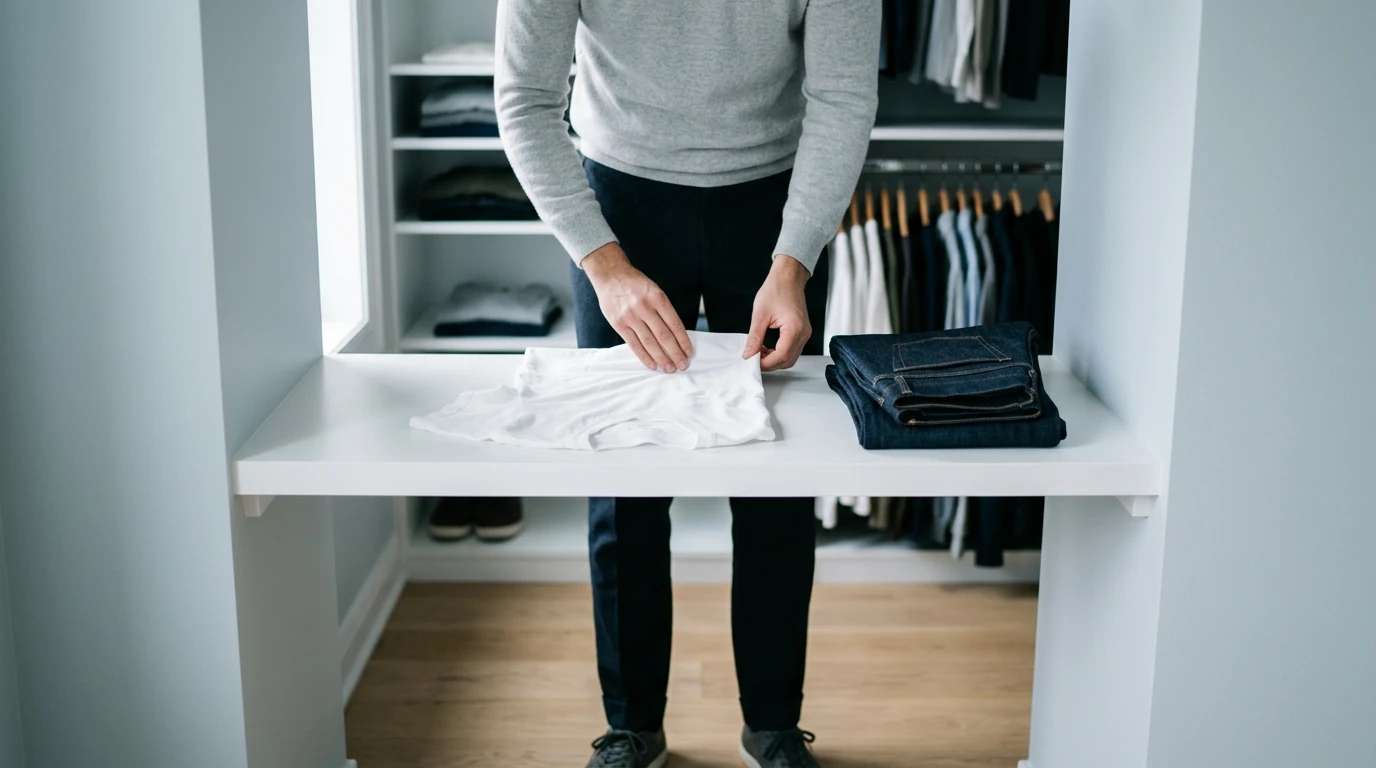
A well-maintained wardrobe is only useful if you can actually see what’s in it. Effective wardrobe organization is less about having a massive walk-in closet and more about strategic curation. What most people miss is how a cluttered space creates decision fatigue, making you feel like you have nothing to wear despite having a closet full of clothes. The goal is to make getting dressed as easy as grabbing ingredients from a well-organized pantry.
Start by creating a system where every item has a designated home and is easily visible. This process of decluttering and organizing is required for mastering seasonal transitions, as it forces you to evaluate what you wear. A tidy closet doesn’t just save you time in the morning; it reignites creativity, making it easier to see new combinations and start crafting new outfit ideas from the pieces you already love.
- Wash Less, and in Cold Water: Not every item needs a wash after one wear. Jeans and sweaters can often go several wears between washes. When you do wash, use cold water to prevent shrinking and fading — which also happens to be much kinder to your electricity bill.
- Learn Basic Mending: A lost button or a small seam rip shouldn’t spell the end for a garment. Learning a few simple stitches can save dozens of items from the donation pile.
- Avoid the Dryer When Possible: High heat is a primary culprit in fabric degradation. Air-dry your clothes on a rack or a line whenever you can. Your clothes will thank you.
- Use Quality Hangers: Flimsy wire hangers can stretch and distort the shoulders of your tops and jackets. Invest in sturdy wood or velvet-flocked hangers to maintain the shape of your garments.
- Fold, Don’t Hang, Sweaters: Gravity is the enemy of knitwear. Hanging sweaters will cause them to stretch out and lose their shape over time. Always fold them and store them on a shelf or in a drawer.
- Master the Art of Steaming: A steamer is gentler on fabric than a hot iron and is perfect for quickly removing wrinkles from delicate materials like silk or linen.
By treating your clothes with intention and organizing your space for clarity, you create a more functional and inspiring relationship with your wardrobe. This isn’t just about maintenance; it’s about building a collection of clothes that serves you every single day.
Evolving Your Everyday Style: Staying Fresh Without Overspending
Keeping your look current doesn’t mean you have to chase every fleeting trend. The pressure to constantly buy is real, especially with the influence of fast fashion and the speed at which celebrities drive new looks into the mainstream. A report from the Ellen MacArthur Foundation noted that clothing production roughly doubled in a recent 15-year period, while the time we use those clothes has decreased significantly. The key is to be selective and strategic.
Think of new trends as spices for your favorite meal. You don’t need a whole new recipe; just a dash of something different can change the entire flavor. Instead of buying a head-to-toe trendy look, try incorporating a popular color with a scarf, a new silhouette with a single top, or a fresh accessory. Fully understanding how to navigate current fashion trends allows you to pick what actually works for you, rather than feeling overwhelmed by choice.
This is where smart shopping becomes your superpower.
Exploring thrift stores, consignment shops, and end-of-season sales can yield amazing finds for a fraction of their original price—and honestly, the thrill of finding a hidden gem is part of the fun. This approach directly counters the disposable nature of fast fashion. Investing in a classic, well-made blazer you found on sale will serve you far better than three cheap tops that fall apart after a few washes. It’s a complete shift in mindset.
Periodically re-evaluating your style is also primary. What felt like “you” a few years ago might not anymore, and that’s perfectly okay. The underrated factor here is giving yourself permission to change. Are your clothes still aligned with your lifestyle, career, and how you want to present yourself to the world? A wardrobe audit isn’t about tossing everything out; it’s about redefining your everyday fashion to match who you are right now. This self-awareness is the foundation for a personal style, inspiring you to find more inventive outfit ideas with what you already own and love.
This constant dialogue with your closet turns dressing from a chore into a form of self-expression that grows right along with you.
Your Style as an Evolving Conversation
Viewing your wardrobe as a finished project is a trap; true personal style is a living, evolving conversation you have with yourself. The formulas and foundations discussed here are not rigid rules but a starting point—a language to help you articulate who you are today. As you grow and change, so too will your style. The goal isn’t to arrive at a perfect, static wardrobe, but to enjoy the process of discovery and self-expression along the way.
So, as you stand before your closet tomorrow, what story do you want to tell? Perhaps it’s time to retire a piece that no longer feels like you, or maybe you’ll finally wear that bold accessory that’s been waiting for its moment. The most stylish thing you can own is the confidence to experiment, edit, and express yourself, one outfit at a time.
Frequently Asked Questions
What are the absolute must-have items for an everyday fashion capsule wardrobe?
A strong capsule wardrobe is built on versatile, high-quality pieces. Key items include a classic white t-shirt, perfectly-fitting dark wash jeans, a tailored blazer, a neutral knit sweater (cashmere or merino wool), and a timeless trench coat. For footwear, a pair of clean white sneakers and smart leather loafers will cover most occasions.
How can I make my casual outfits look more put-together?
The secret is often in the details and a ‘third piece.’ Elevate jeans and a t-shirt by adding a structured blazer, a quality belt, or a stylish trench coat. Pay attention to footwear—swapping running shoes for clean leather sneakers or loafers instantly adds polish. Finally, a structured handbag provides a technical finishing touch.
What are some easy ways to incorporate current trends into my daily wardrobe?
You don’t need a complete overhaul to feel current. The easiest way is through accessories; try a trendy handbag shape, a popular style of jewelry, or a seasonal color. You can also incorporate one trendy garment, like a pair of wide-leg jeans or an oversized blazer, and pair it with the timeless staples you already own for a balanced look.
How do I choose colors and patterns that suit my personal style?
Start by identifying the colors you’re naturally drawn to and feel most confident wearing—check your existing wardrobe for clues. Build a base of versatile neutrals like black, navy, grey, and camel, which pair with everything. Then, introduce one or two accent colors or a simple pattern like stripes to add personality without overwhelming your look.
Are there any apps or tools that can help me plan my everyday outfits?
Yes, several digital wardrobe apps can be incredibly helpful. Apps like Stylebook or Cladwell allow you to upload photos of your clothes to create a digital closet. You can then use these tools to plan outfits in advance, track what you wear, and get more creative with the items you already own, which helps minimize decision fatigue.