Anúncios
Bella Hadid archival fashion impact on vintage shopping has increased demand for 1990s–2000s pieces, driving price rises and requiring buyers and sellers to focus on labels, hardware, provenance, authentication, and proper preservation to accurately value and trade archival garments.
Bella Hadid archival fashion impact on vintage shopping has turned thrift aisles into treasure hunts. Curious how her archival looks nudge collector tastes and seller choices? Here we unpack quick, practical examples and tips to help you spot and value the pieces that matter.
How Bella’s archival influence reshapes vintage demand
Bella Hadid archival fashion impact on vintage shopping shows how one influencer can change what buyers hunt for. Small shifts in style can lift demand for whole eras.
When a celebrity wears a rare piece, shoppers notice and markets move quickly.
Anúncios
Why her looks matter
Bella’s public outfits act as a visual cue. Fans and sellers copy details like cut, fabric, and label. That attention makes certain items more desirable overnight.
Designers from the 1990s and early 2000s often come back into focus after a high-profile appearance.
Signs of rising demand
Watch for quick price jumps and more search queries for specific terms tied to her style.
Anúncios
- Increased listings of slip dresses, low-rise jeans, and vintage blazers
- More tags referencing designers, years, or show seasons
- Sellers highlighting provenance or celebrity resemblance
- Shorter listing times and faster resale cycles
These indicators mean buyers now value authenticity and story as much as condition. A stitched label or era-specific seam can tip a piece into the archival category.
Sellers often mention era markers, like shoulder pads or cut lines, to catch attention.
Practical moves for buyers and sellers
Shoppers should learn to spot true archival features. Check label fonts, stitching, and fabric weight. Photos that show tags and seams help verify age.
- Buyers: ask for close-up photos of labels and seams before bidding
- Sellers: include detailed descriptions and provenance when possible
- Both: use trusted platforms with clear return policies
- Collectors: prioritize condition and authenticity over trend-driven hype
Small improvements in listings — better photos, clear dates, honest condition notes — lead to higher trust and better prices. For buyers, that means smarter purchases and fewer surprises.
Social posts and shopping guides also shape demand. When influencers show how to style a piece, casual shoppers feel confident trying it. That widens the market beyond collectors.
Local shops and online resellers can tap into this by curating edits that echo her aesthetic, without copying directly. Curated collections make discovery easier for shoppers who want the look but not the hunt.
Overall, the Bella Hadid archival fashion impact on vintage shopping has pushed the market toward storytelling, detail, and faster trends. Both buyers and sellers who adapt gain the most.
Identifying archival pieces: labels, cuts and era markers
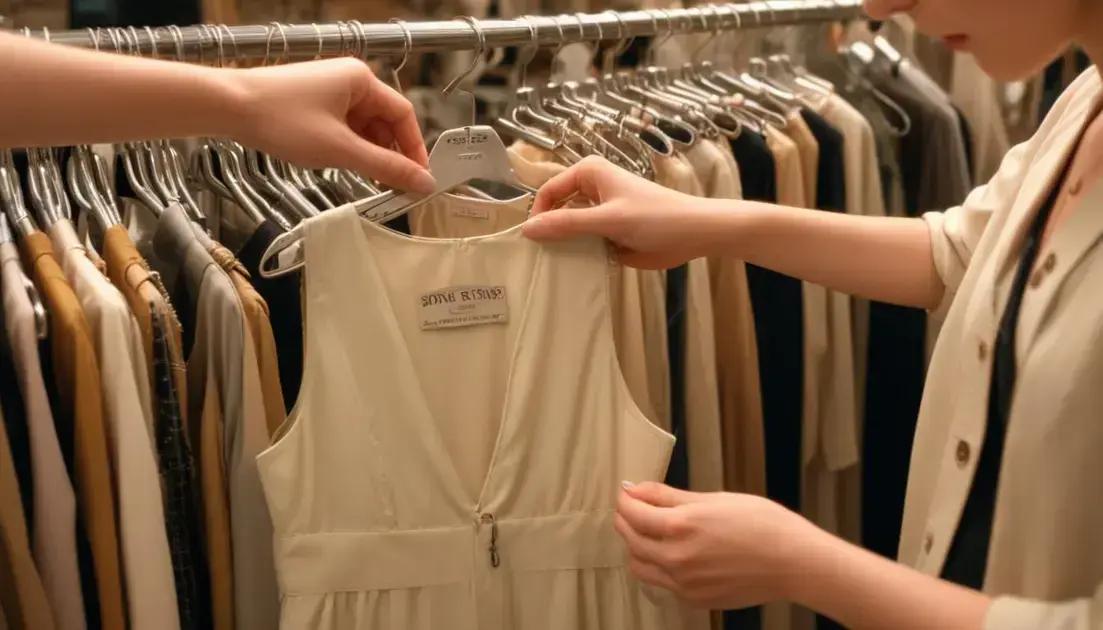
Bella Hadid archival fashion impact on vintage shopping pushes buyers to learn how to spot real archival garments. Knowing labels, cuts, and era markers saves time and money.
These features reveal age, origin, and true value without guesswork.
Label clues
Labels often carry the fastest signals of age. Look for woven tags, old logo styles, and care instructions that match past standards.
- Woven vs. printed tags: woven tags usually indicate older, higher-quality production
- Country names and care codes: obsolete country names or outdated symbols can date a piece
- Logo details: compare font and mark to archived brand images
- Store or handwritten tags: original boutique tags add provenance and value
Ask for clear photos of the label and any serial numbers. A good close-up can confirm a garment’s era.
Common cuts and silhouette signals
Silhouette is a fast way to place a piece in time. Low-rise waists, bias-cut slips, and boxy blazers point to late 1990s and early 2000s trends.
Note shoulder shapes, waist placement, and skirt lengths. Take simple measurements and compare them to era references to avoid misdating a garment.
Seam lines and tailoring details like princess seams or strong shoulder pads also help narrow down the decade.
Era markers to watch
Small hardware and construction choices can be even more telling than style. Zippers, buttons, linings, and stitching methods often change over time.
- Zipper types: metal tooth zippers, especially Talon, are common in older pieces
- Buttons and fasteners: metal or carved-shell buttons and unique shanks suggest vintage origin
- Linings and fabrics: acetate linings and heavy satins were more common in past decades
- Stitching methods: single-needle hems or hand finishes point to higher-quality older garments
Inspect hardware marks and any maker stamps. These tiny clues build a reliable timeline for the item.
Wear patterns and patina give context. Even neat repairs can confirm long-term use and authenticity when they match the garment’s age.
When buying, request multiple detail shots: labels, seams, zippers, buttons, and an overall view. Clear images reduce surprises and build trust between buyer and seller.
These checks help you navigate the Bella Hadid archival fashion impact on vintage shopping trend and make smarter, more confident purchases.
Where to find high-value vintage and negotiate prices
Bella Hadid archival fashion impact on vintage shopping has made collectors hunt for high-value pieces in new places. Knowing where to look and how to negotiate saves money and finds rarer items.
Start with places that verify age and provenance before you bid or buy.
Top physical spots to search
Local vintage boutiques and curated resale shops often hold the best archival finds. These stores vet pieces and can show provenance.
- Estate sales and private auctions: great for untouched pieces with history
- High-end consignment shops: vetted items with clear condition notes
- Vintage fairs and markets: chance to compare several dealers at once
- Specialist boutiques: curated collections that reflect current trends
Visit stores in person when possible. You can check fabric, seams, and labels up close. Bring a magnifier or use your phone camera for detail shots.
Best online sources and how to use them
Online marketplaces widen access to archival garments, but require careful vetting. Look for sellers with strong ratings and clear return policies.
- Reserve sites: TheRealReal, Vestiaire for authenticated high-value pieces
- Peer marketplaces: Depop, eBay, Etsy for hidden gems if you verify details
- Auction houses: Sotheby’s or specialist fashion auctions for proven archival items
- Instagram and small dealer sites: follow trusted curators and archivists
Use search filters and saved searches to track new listings. Reverse-image search can reveal if a piece is repeatedly resold or misrepresented.
Check shipping costs and fees before committing. High-value items often carry extra insurance and shipping charges that affect final price.
Negotiation moves that work
Research comparable sales first. Knowing recent sale prices gives you leverage and a target offer range.
- Ask for provenance and close-up photos before making an offer
- Point out minor flaws to negotiate lower if they affect wearability
- Bundle multiple items to secure a discount from a seller
- Offer quick payment or cash for local buys to get a better deal
Be polite and factual when you negotiate. Sellers often respond to respect and clear reasons for your offer. If a seller mentions provenance or repairs, use that info to shape your bid.
For auctions, set a strict maximum and stick to it. Emotional bidding can push you above market value for high-profile pieces tied to celebrity trends.
Use platform protections: request returns or certificates of authenticity when available. Authenticity checks reduce risk and often justify higher offers for verified archival items.
Combine in-person scouting with online alerts to find the best deals. The mix helps you spot real archival pieces and avoid copies priced as originals.
With these steps, you can navigate the market the Bella Hadid archival fashion impact on vintage shopping created and secure valuable vintage without overpaying.
Resale, care and authenticity: pricing and preservation tips
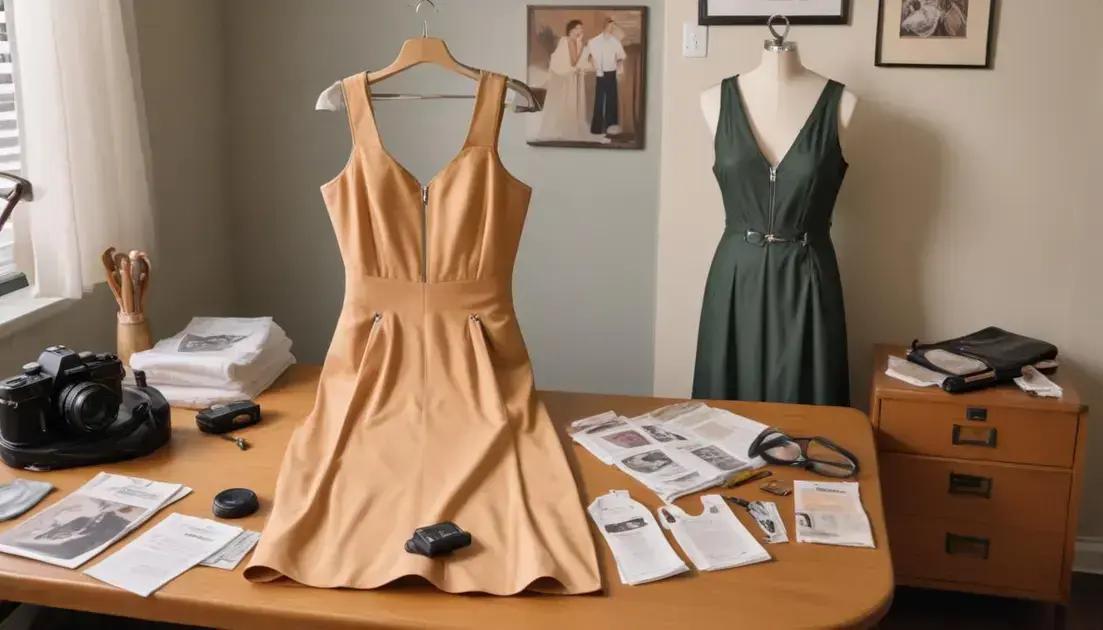
Bella Hadid archival fashion impact on vintage shopping has raised prices for rare finds and made care more important. Knowing how to price, preserve, and confirm authenticity keeps value intact.
Simple steps help sellers get fair pay and buyers avoid fakes.
Pricing for resale
Start with comparable sales to set a realistic price. Check recent auction results and marketplace sold listings.
- Condition grade: mint, good, fair — each level changes value
- Provenance: celebrity wear or boutique tags can add a premium
- Rarity and demand: limited runs and trending looks sell higher
- Restoration costs: note repairs when pricing down or up
Be honest in listings. Clear photos and exact measurements justify higher prices and reduce returns.
Authenticity checks buyers trust
Verify labels, hardware, and stitching. Small maker marks and serials often confirm origin.
Ask sellers for detailed photos of tags, seams, and zippers. If available, request receipts or certificates.
Third-party authentication services add confidence for expensive pieces. Use them for high-ticket archival items tied to celebrities.
Care and preservation best practices
Proper storage prevents damage and keeps value. Use acid-free tissue, padded hangers, and breathable garment bags.
- Avoid plastic covers for long-term storage; they trap moisture
- Store in a cool, dry place away from direct light
- Use moth deterrents that do not touch the fabric
- For delicate fabrics, consult a textile conservator before cleaning
Light, humidity, and pests cause long-term harm. Simple checks each season stop small issues from becoming costly repairs.
When cleaning, prefer gentle hand wash or trusted dry cleaners experienced with vintage garments. Note any alterations in the item description to keep trust high.
Document everything: take high-quality photos, record measurements, and keep provenance notes. That file increases resale value and speeds up sales.
With fair pricing, verified authenticity, and careful preservation, both buyers and sellers benefit from the Bella Hadid archival fashion impact on vintage shopping trend.
The Bella Hadid archival fashion impact on vintage shopping has changed how buyers and sellers act. Shoppers learn to spot labels, cuts, and era markers. Sellers price honestly, show provenance, and protect garments. Small habits—clear photos, smart negotiation, and proper storage—help everyone buy and sell with more confidence.
FAQ – Bella Hadid archival fashion impact on vintage shopping
How can I spot a true archival piece?
Check woven labels, hardware like Talon zippers, stitching methods, and fabric weight. Ask for close-up photos of tags and seams.
Where are the best places to find high-value vintage?
Try estate sales, high-end consignment shops, curated vintage boutiques, reputable resale sites (TheRealReal, Vestiaire) and auction houses.
How do I avoid buying fakes?
Request provenance, receipts, and detailed images. Use third-party authentication for expensive items and compare labels to brand archives.
What are the best ways to store and preserve vintage clothing?
Use acid-free tissue, padded hangers, breathable garment bags, and store in a cool, dry place. Avoid plastic covers and consult a conservator for delicate fabrics.