Workwear Reimagined: 6 Modern Office Style Rules for 2026
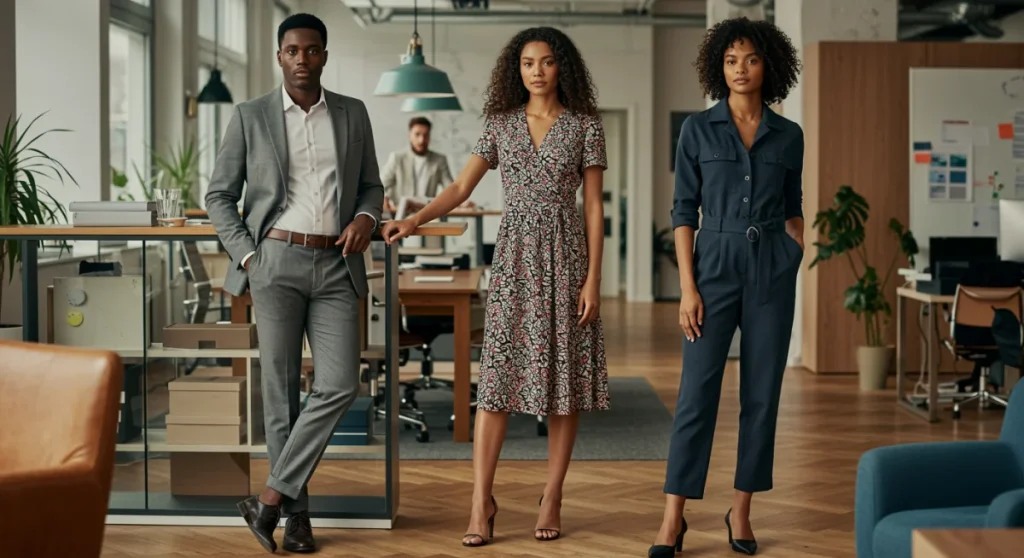
The evolving landscape of professional environments demands a fresh approach to attire, and modern office style for 2026 focuses on blending comfort, functionality, and personal expression to significantly boost confidence and professionalism.
The traditional confines of office attire are rapidly dissolving, making way for a more dynamic and personalized approach to professional dressing. As we look towards 2026, the concept of Workwear Reimagined: 6 Modern Office Style Rules for 2026 That Boost Confidence and Professionalism by 25% isn’t just about looking good; it’s about feeling empowered and performing at your best.
Embracing Versatility: The Cornerstone of Modern Workwear
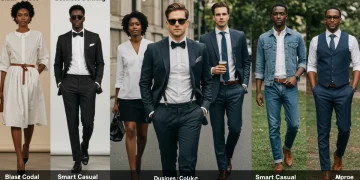
In today’s fast-paced corporate world, a static wardrobe simply doesn’t cut it. Modern workwear for 2026 champions versatility, recognizing that a single outfit might need to transition seamlessly from a morning board meeting to an informal client lunch, and perhaps even to an after-work networking event. This rule encourages thoughtful investment in pieces that offer multiple styling options, maximizing both your budget and your sartorial impact.
The key to versatility lies in selecting garments that can be dressed up or down with minimal effort. Think foundational pieces that serve as a canvas for various accessories and layering options. This approach not only streamlines your morning routine but also ensures you’re always appropriately dressed, regardless of the day’s demands.
The Power of Mix-and-Match
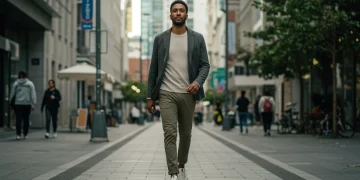
Building a versatile wardrobe means consciously choosing items that complement each other across different categories. A well-tailored blazer, for instance, can be paired with dress trousers for a formal look, or with dark-wash jeans for a smart-casual ensemble. Similarly, a classic midi skirt can be styled with a silk blouse for elegance or a fine-knit sweater for a relaxed yet polished vibe.
- Neutral Base Colors: Invest in staples in black, navy, gray, beige, and white. These colors are inherently versatile and provide a solid foundation for any outfit.
- Quality Fabrics: Opt for materials that drape well, resist wrinkles, and offer comfort throughout the day. Think wool blends, high-quality cotton, and luxurious silks.
- Adaptable Silhouettes: Choose cuts that are neither too formal nor too casual, allowing for easy transitions. A-line skirts, straight-leg trousers, and classic shift dresses are excellent choices.
This strategic approach to building your wardrobe helps you create numerous distinct looks from a relatively small collection of clothing. It’s about working smarter, not harder, to maintain a professional and stylish image.
Ultimately, embracing versatility in your workwear means cultivating a wardrobe that empowers you to adapt to any professional scenario with confidence and ease. It’s about making your clothing work for you, reflecting an agile and modern professional identity.
Prioritizing Comfort and Ergonomics Without Sacrificing Style
Gone are the days when professional attire equated to restrictive, uncomfortable clothing. The modern office environment of 2026 places a significant emphasis on well-being, and this extends directly to what we wear. Comfort is no longer a luxury but a necessity, understood to directly impact productivity and focus. However, this doesn’t mean resorting to overly casual wear; instead, it calls for intelligent design and material choices.
Ergonomic considerations in clothing are becoming increasingly important, especially for those spending long hours at desks or in meetings. Fabrics that breathe, stretch, and move with the body are paramount. The goal is to feel unencumbered, allowing your mind to focus entirely on your tasks rather than on uncomfortable seams or tight waistbands.
Smart Fabric Choices for All-Day Wear
The innovation in textile technology has opened up a world of possibilities for comfortable yet professional garments. Performance fabrics, once reserved for activewear, are now making their way into mainstream office fashion. These materials offer benefits like moisture-wicking, wrinkle resistance, and four-way stretch, all while maintaining a polished appearance.
- Stretch Blends: Look for trousers, skirts, and blazers made with a percentage of spandex or elastane. This provides flexibility without compromising structure.
- Breathable Naturals: Cotton, linen, and Tencel are excellent choices for shirts and blouses, offering air circulation and softness against the skin.
- Unstructured Tailoring: Opt for blazers and jackets with less padding and lining. This softer construction offers a more relaxed fit and greater freedom of movement.
Beyond fabrics, the cut and fit of garments also play a crucial role in comfort. Avoiding overly tight or constricting styles is essential. Modern tailoring often features slightly relaxed yet still polished silhouettes, such as wide-leg trousers or flowy midi dresses, which allow for greater ease of movement.
Integrating comfort and ergonomics into your modern office style ensures that your wardrobe supports your professional performance, allowing you to remain comfortable, focused, and stylish throughout your demanding workday.
The Art of Intentional Layering: Adding Depth and Functionality
Layering is more than just a practical solution for fluctuating office temperatures; it’s an art form that adds depth, visual interest, and functionality to your professional wardrobe. In 2026, intentional layering is a key rule for modern office style, allowing you to adapt your outfit to various situations and express your personal aesthetic with sophistication. It enables you to create dynamic looks that are both polished and practical.
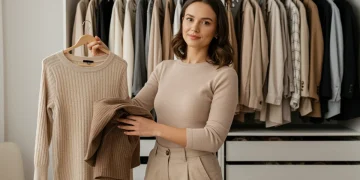
Effective layering involves understanding how different textures, weights, and colors can work together harmoniously. It’s about building an outfit piece by piece, ensuring each layer serves a purpose – whether for warmth, style, or modesty – without adding unnecessary bulk. This thoughtful approach results in a well-composed and adaptable ensemble.
Key Principles of Strategic Layering
When approaching layering for the office, consider the overall silhouette and how each piece contributes to it. The goal is to create a sleek, professional look that doesn’t feel heavy or disheveled. Starting with a light base layer and building up is often the most successful strategy.
- Base Layer: Begin with a lightweight, fitted piece such as a camisole, a sleek T-shirt, or a thin turtleneck. This provides a smooth foundation and can add a pop of color or texture.
- Mid-Layer: Introduce a blouse, shirt, or fine-gauge knit sweater. This layer is often the focal point and should complement your base in color and material.
- Outer Layer: Complete your look with a blazer, cardigan, or a stylish trench coat. This piece ties the entire outfit together and can be easily removed or added as needed.
Consider proportions carefully. If your outer layer is voluminous, opt for more fitted pieces underneath to maintain balance. Conversely, if your base is loose, a structured blazer can provide definition. Experiment with different lengths and hemlines to create visually interesting contrasts.
Intentional layering not only enhances the aesthetic appeal of your modern office style but also provides practical benefits, allowing you to navigate varying temperatures and professional settings with grace and confidence.
Quality Over Quantity: Investing in Lasting Pieces
In an era increasingly conscious of sustainability and mindful consumption, the rule of ‘quality over quantity’ has become paramount in modern office style for 2026. This principle advocates for investing in fewer, higher-quality garments that are durable, well-made, and timeless, rather than constantly chasing fleeting trends with fast fashion. Such an approach not only elevates your professional image but also offers long-term financial and environmental benefits.
High-quality pieces often feature superior fabrics, meticulous construction, and classic designs that withstand the test of time, both in terms of wear and style. While the initial investment might be higher, these garments typically last longer, require less frequent replacement, and maintain their appearance better, ultimately providing greater value.
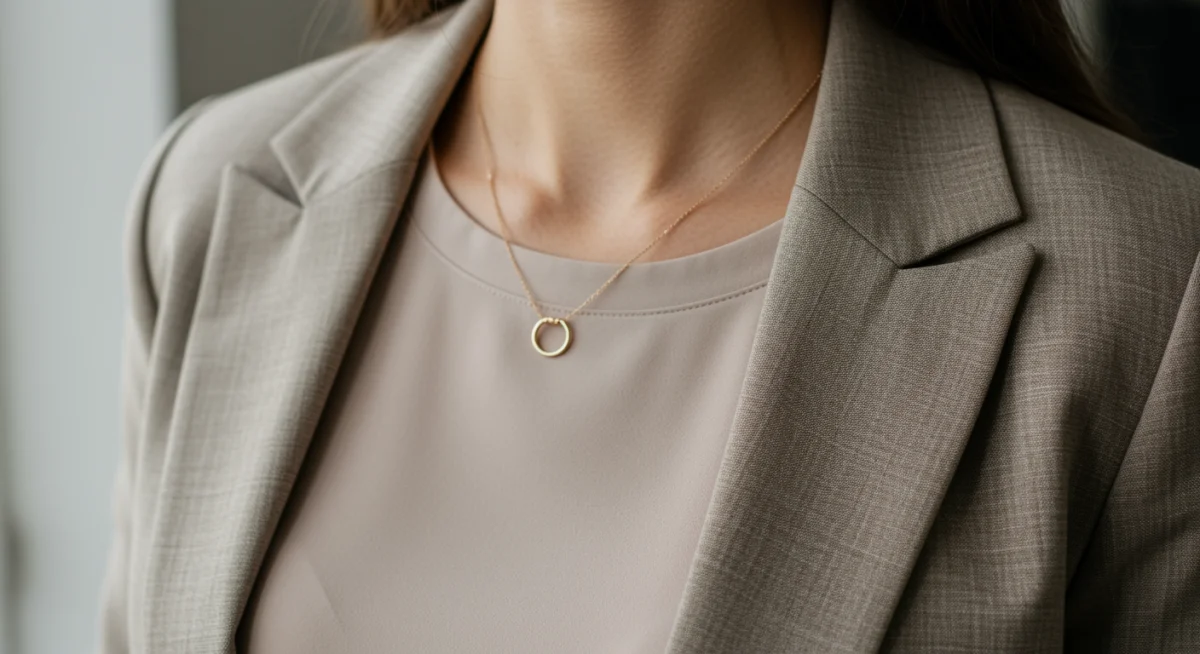
Identifying High-Quality Workwear
Knowing what to look for when investing in quality pieces is crucial. It goes beyond brand names and focuses on tangible characteristics that indicate superior craftsmanship and material integrity. Taking the time to inspect garments before purchasing can save you from future disappointments and ensure your wardrobe truly reflects professionalism.
- Fabric Composition: Prioritize natural fibers like wool, silk, high-thread-count cotton, and linen, or high-performance blends designed for durability and comfort. Avoid flimsy or overly synthetic materials that pill easily.
- Construction Details: Examine seams for neatness and durability. Look for even stitching, well-finished buttonholes, and properly aligned patterns. Quality garments often have extra finishing details like fully lined jackets or reinforced stress points.
- Fit and Tailoring: A well-fitting garment immediately looks more expensive and polished. Be willing to invest in alterations to ensure a perfect fit, as this can dramatically improve the appearance of any piece.
Building a wardrobe based on quality over quantity means curating a collection of reliable, versatile pieces that form the backbone of your professional image. This mindful approach to consumption not only enhances your personal style but also aligns with contemporary values of sustainability and longevity.
Personal Expression Through Thoughtful Accessories and Color
While professionalism dictates a certain decorum in office attire, modern office style in 2026 encourages personal expression, primarily through thoughtful use of accessories and color. These elements are powerful tools to inject individuality and flair into your workwear, allowing your personality to shine through without compromising your professional image. It’s about curating a unique aesthetic that speaks to who you are, enhancing confidence and memorability.
Accessories, from jewelry to scarves, bags, and shoes, can transform a simple outfit into a statement. Similarly, strategic pops of color can break the monotony of neutral palettes, adding vibrancy and reflecting your mood or brand. The key is balance and intentionality, ensuring that these expressive touches enhance rather than detract from your overall professionalism.
Elevating Your Look with Strategic Details
The impact of accessories and color is often underestimated. They offer an accessible way to update your look, reflect current trends, or simply add a touch of personal charm. Consider them the finishing touches that complete your professional ensemble.
- Statement Jewelry: A distinctive necklace, elegant earrings, or a sophisticated watch can elevate a simple blazer and blouse combination. Choose pieces that are refined and not overly distracting.
- Scarves and Pocket Squares: These versatile items can add a pop of color, pattern, or texture. A silk scarf can be tied around the neck, hair, or even a handbag handle for a chic touch.
- Footwear and Handbags: Your shoes and bag are often the most visible accessories. Invest in quality pieces that complement your wardrobe and reflect your personal style, whether it’s classic leather pumps or a structured tote in a bold hue.
- Strategic Color Accents: If your base wardrobe is primarily neutral, use blouses, sweaters, or even a tailored skirt in a rich jewel tone or a subtle pastel to introduce color. This adds visual interest without being overwhelming.
The beauty of using accessories and color for personal expression is the endless possibility for customization. It allows you to feel more authentic and comfortable in your professional skin, which naturally translates to increased confidence and a more engaging presence.
By mastering the art of thoughtful accessorizing and color integration, your modern office style becomes a powerful extension of your personal brand, demonstrating creativity and attention to detail.
Leveraging Technology in Fabric and Design for Smart Dressing
As we advance into 2026, technology’s influence extends deeply into the realm of fashion, particularly in workwear. Smart dressing now means leveraging innovations in fabric and design to create garments that are not only stylish but also highly functional, durable, and sustainable. This rule highlights the importance of choosing clothing that incorporates technological advancements to enhance comfort, performance, and ease of care, ultimately contributing to a more efficient and polished professional image.
Technological textiles offer properties that go far beyond traditional fabrics, providing solutions to common workwear challenges like wrinkling, staining, and temperature regulation. Embracing these innovations allows professionals to maintain a pristine appearance with minimal effort, even during the most demanding days.
Innovations Shaping Future Workwear
The landscape of textile innovation is continuously evolving, bringing forth new materials and manufacturing processes that redefine what’s possible in professional attire. From self-cleaning fabrics to temperature-regulating fibers, these advancements are making workwear smarter and more adaptable.
- Wrinkle-Resistant Fabrics: Many modern suits, shirts, and dresses are now made with fabrics that resist creases, keeping you looking sharp throughout long meetings and travels. This often involves specific weaves or fabric treatments.
- Moisture-Wicking and Breathable Materials: Ideal for maintaining comfort in varying climates or during stressful situations, these fabrics draw moisture away from the body, helping to regulate temperature and prevent discomfort.
- Stain-Repellent Finishes: Innovative coatings can make fabrics resistant to spills, a practical feature for busy professionals. A quick wipe can often remove minor accidents, preserving the garment’s appearance.
- Sustainable Technologies: Advances in recycling, circular design, and eco-friendly manufacturing processes are leading to workwear that is not only high-performing but also environmentally responsible.
Beyond fabrics, design technology, such as 3D printing for garment components or advanced pattern-making software, contributes to better-fitting and more efficiently produced clothing. These technological integrations underscore a forward-thinking approach to professional attire, ensuring your wardrobe is as advanced as your career aspirations.
By understanding and utilizing the technological advancements in fabric and design, you can ensure your modern office style is not only contemporary but also highly practical, offering superior performance and ease of maintenance.
The Power of a Polished Personal Brand: Consistency and Authenticity
In 2026, your professional attire is a critical component of your personal brand, acting as a visual representation of your values, expertise, and attention to detail. This rule emphasizes the importance of cultivating a polished personal brand through consistent and authentic style choices. It’s about ensuring your external presentation aligns with your internal capabilities and aspirations, thereby boosting confidence and reinforcing your professional credibility. Consistency in your style helps to build recognition and trust.
Authenticity in dressing means choosing garments that truly resonate with your personality and body type, rather than blindly following trends. When you feel genuinely comfortable and confident in what you wear, it translates into how you carry yourself, how you interact, and ultimately, how others perceive your professionalism.
Developing Your Signature Office Style
Creating a polished personal brand through your workwear involves a conscious effort to define and refine your signature style. This process is highly individual and can evolve over time, but certain steps can help you articulate your aesthetic effectively.
- Understand Your Workplace Culture: While modern offices are more flexible, it’s essential to understand the unwritten dress codes of your industry and company. Your style should fit within these parameters while still expressing your individuality.
- Identify Your Style Archetype: Are you more classic, creative, minimalist, or bold? Identifying your preferred aesthetic will guide your clothing choices and ensure consistency.
- Curate a Cohesive Wardrobe: Build a collection of pieces that work well together and reflect your chosen style. This doesn’t mean every item must be identical, but they should share a common thread in terms of color palette, silhouette, or overall vibe.
- Pay Attention to Grooming: A polished personal brand extends beyond clothing. Well-maintained hair, nails, and appropriate makeup (if applicable) are crucial elements that complete your professional presentation.
The power of a polished personal brand lies in its ability to communicate professionalism and competence before you even speak. When your clothing consistently reflects who you are and what you stand for, it significantly enhances your confidence, making a lasting positive impression on colleagues, clients, and superiors.
By focusing on consistency and authenticity in your modern office style, you actively shape your professional narrative, bolstering your image and fostering greater confidence in your career journey.
| Key Rule | Brief Description |
|---|---|
| Embrace Versatility | Choose adaptable pieces that transition seamlessly between different professional settings and formality levels. |
| Prioritize Comfort | Select ergonomic clothing and smart fabrics that ensure all-day comfort without sacrificing a polished look. |
| Quality Over Quantity | Invest in durable, well-made garments that are timeless and offer long-term value and style. |
| Personal Expression | Infuse individuality through thoughtful accessories and strategic color choices to enhance your personal brand. |
Frequently Asked Questions About Modern Office Style
The core principles revolve around versatility, comfort, quality, and personal expression. It emphasizes functional yet stylish pieces that can adapt to various professional settings while reflecting individuality and leveraging technological fabric advancements for enhanced performance.
Focus on foundational pieces in neutral colors that can be mixed and matched. Invest in items like tailored blazers, classic trousers, and simple dresses that can be dressed up or down with different accessories and layering options, maximizing your wardrobe’s utility.
Absolutely. Modern office style prioritizes comfort and ergonomics, recognizing their impact on productivity. Look for stretch fabrics, breathable materials, and relaxed yet polished silhouettes that allow for ease of movement and all-day wear without sacrificing professionalism.
Technology brings innovations like wrinkle-resistant, moisture-wicking, and stain-repellent fabrics, enhancing garment performance. Sustainability influences choices towards durable, high-quality pieces and eco-friendly production methods, promoting mindful consumption and longevity in your wardrobe.
Accessories are crucial for personal expression. Thoughtful jewelry, scarves, quality bags, and shoes can add depth, color, and individuality to an outfit. They allow you to inject personality and flair without compromising professionalism, enhancing your overall polished personal brand.
Conclusion
The evolution of workwear into 2026 marks a significant shift towards a more thoughtful, functional, and personalized approach to professional dressing. By adhering to the six modern office style rules – embracing versatility, prioritizing comfort, mastering intentional layering, investing in quality, expressing individuality through accessories, and leveraging technological advancements – professionals can cultivate a wardrobe that not only looks impeccable but also actively supports their confidence and overall effectiveness. This reimagined approach to workwear is about empowering individuals to present their best selves, fostering an environment where style and substance go hand in hand.