2026 Sustainable Fashion Guide: Eco-Friendly Style on a Budget
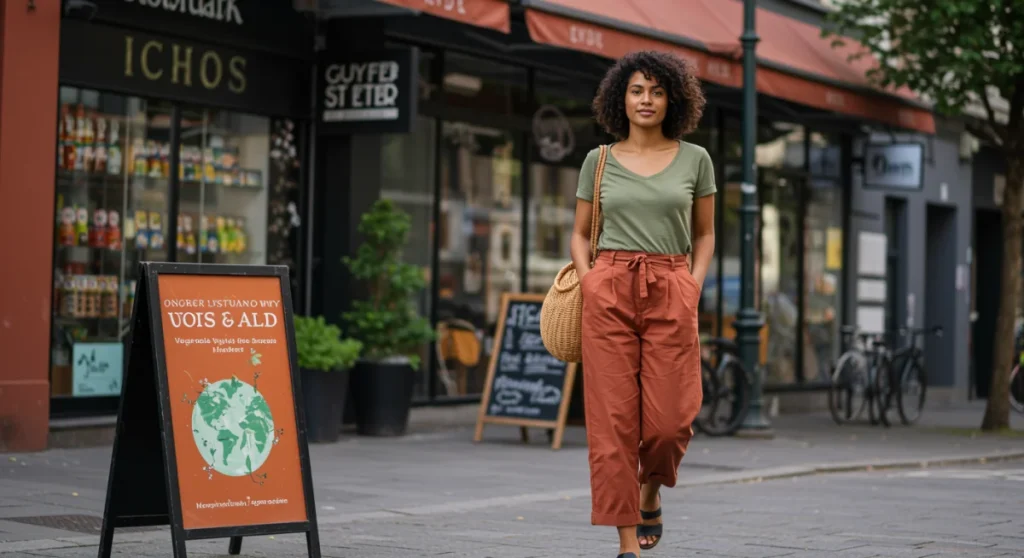
This essential 2026 guide to sustainable fashion offers seven practical eco-friendly style swaps, empowering consumers to build an ethical wardrobe and reduce their clothing budget by 15% through conscious choices and innovative approaches.
Welcome to 2026, where conscious consumerism isn’t just a trend, but a fundamental pillar of modern living. This guide will explore the 2026 guide to sustainable fashion: 7 eco-friendly style swaps for your wardrobe with a 15% budget reduction, offering practical insights and actionable steps to transform your style ethically and economically. It’s about making smart choices that benefit both your wallet and the planet.
Understanding the Sustainable Fashion Landscape in 2026
The sustainable fashion movement has evolved significantly by 2026, moving beyond niche concerns to become a mainstream expectation. Consumers are increasingly demanding transparency, ethical production, and environmental responsibility from brands. This shift isn’t just about avoiding fast fashion; it’s about embracing a holistic approach to clothing that considers its entire lifecycle, from raw material to disposal.
In this new landscape, technology plays a crucial role. Innovations in material science have led to widespread availability of truly sustainable fabrics, such as bio-engineered silks, mushroom-based leathers, and advanced recycled synthetics that don’t compromise on performance or aesthetics. Furthermore, blockchain technology is being used to track supply chains, providing unparalleled transparency and ensuring claims of sustainability are verifiable. This era marks a turning point where eco-conscious choices are both accessible and stylish.
The Rise of Circularity and Longevity
Central to 2026 sustainable fashion is the concept of circularity, aiming to keep resources in use for as long as possible. This involves designing clothes for durability, facilitating repairs, and creating systems for recycling and upcycling garments at the end of their life. Longevity is prized, challenging the traditional cycle of constant consumption.
- Durability: Focusing on high-quality construction and robust materials that withstand time and wear.
- Repairability: Brands now offer repair services or provide guides and kits for consumers to mend their own clothes.
- Recycling Programs: Widespread initiatives for textile collection and processing into new fibers.
- Upcycling: Creative transformation of old garments into new, unique pieces, reducing waste.
The goal is to minimize waste and pollution while maximizing the value of every garment. This approach not only benefits the environment but also encourages a deeper, more personal connection with our clothing, fostering appreciation for craftsmanship and design. Understanding these foundational shifts is key to navigating your sustainable style journey effectively in 2026.
Swap 1: Embracing Secondhand and Vintage Finds
One of the most impactful and budget-friendly sustainable fashion swaps for 2026 is diving into the world of secondhand and vintage clothing. This isn’t just about finding a good deal; it’s about extending the life cycle of existing garments, drastically reducing the demand for new production, and minimizing the environmental footprint associated with manufacturing new textiles. By choosing pre-loved items, you’re actively participating in the circular economy and preventing clothes from ending up in landfills.
The stigma once associated with used clothing has largely disappeared, replaced by a vibrant culture that celebrates individuality, unique finds, and conscious consumption. Online marketplaces, local consignment shops, and curated vintage boutiques are thriving, offering an unparalleled selection of styles, brands, and eras. You can discover high-quality pieces, often at a fraction of their original price, allowing you to build a diverse and distinctive wardrobe without breaking the bank.
Online Platforms and Curated Collections
Digital platforms have revolutionized access to secondhand fashion, making it easier than ever to discover unique pieces from anywhere in the world. Websites and apps dedicated to resale offer a vast inventory, often with detailed descriptions and authentication services. This global marketplace allows for a wider variety of styles and sizes, catering to every taste.
- ThredUp & Poshmark: Popular platforms for everyday secondhand clothing, offering a wide range of brands.
- Vestiaire Collective & The RealReal: Specializing in pre-owned luxury and designer items, often authenticated.
- Etsy Vintage: A treasure trove for unique, genuinely vintage pieces from independent sellers.
- Local Online Groups: Community-based platforms for swapping, selling, and buying within your immediate area.
Beyond the cost savings, exploring secondhand and vintage fashion offers the thrill of the hunt and the satisfaction of owning something truly unique. It encourages creativity in styling and reduces the likelihood of encountering the same outfit on multiple people. This swap alone can significantly contribute to your 15% budget reduction goal while making a profound positive environmental impact.
Swap 2: Investing in High-Quality, Durable Basics
While the allure of trendy, inexpensive clothing can be strong, a cornerstone of sustainable fashion in 2026 is shifting your investment towards high-quality, durable basics. This approach might seem counterintuitive for budget reduction at first glance, but it provides substantial long-term savings. Fast fashion items often degrade quickly, requiring frequent replacements, which ultimately costs more over time. Conversely, well-made garments last for years, reducing your overall purchasing frequency and the need for constant wardrobe updates.
Think of your basics as the foundation of your wardrobe: versatile pieces like plain t-shirts, classic jeans, tailored trousers, and simple knitwear. When these items are crafted from superior materials and with robust construction, they withstand countless washes and wears, maintaining their shape and appearance. This longevity translates directly into fewer purchases and a more stable, reliable wardrobe that effortlessly integrates with new additions or seasonal accessories.
Identifying Quality Materials and Construction
Knowing what to look for is crucial when investing in durable basics. Pay attention to fabric composition, opting for natural fibers like organic cotton, linen, hemp, or ethically sourced wool, which are often more resilient and biodegradable. When it comes to synthetic materials, look for recycled options from reputable brands. Examine the garment’s construction: strong seams, even stitching, and durable hardware are indicators of quality that will stand the test of time.
- Fabric Composition: Prioritize organic cotton, linen, hemp, Tencel (lyocell), and recycled materials.
- Stitching: Look for tight, even stitches, especially at seams and hems, indicating careful craftsmanship.
- Hardware: Zippers, buttons, and clasps should feel sturdy and securely attached.
- Brand Reputation: Research brands known for their commitment to quality and ethical production practices.
By making a conscious decision to invest in fewer, better items, you not only reduce your environmental impact but also streamline your dressing routine. A wardrobe built on durable basics provides a canvas for personal expression, allowing you to focus on styling rather than constantly replacing worn-out garments. This strategic shift is a powerful way to achieve both sustainability and significant budget savings.
Swap 3: Repairing and Upcycling Your Existing Wardrobe
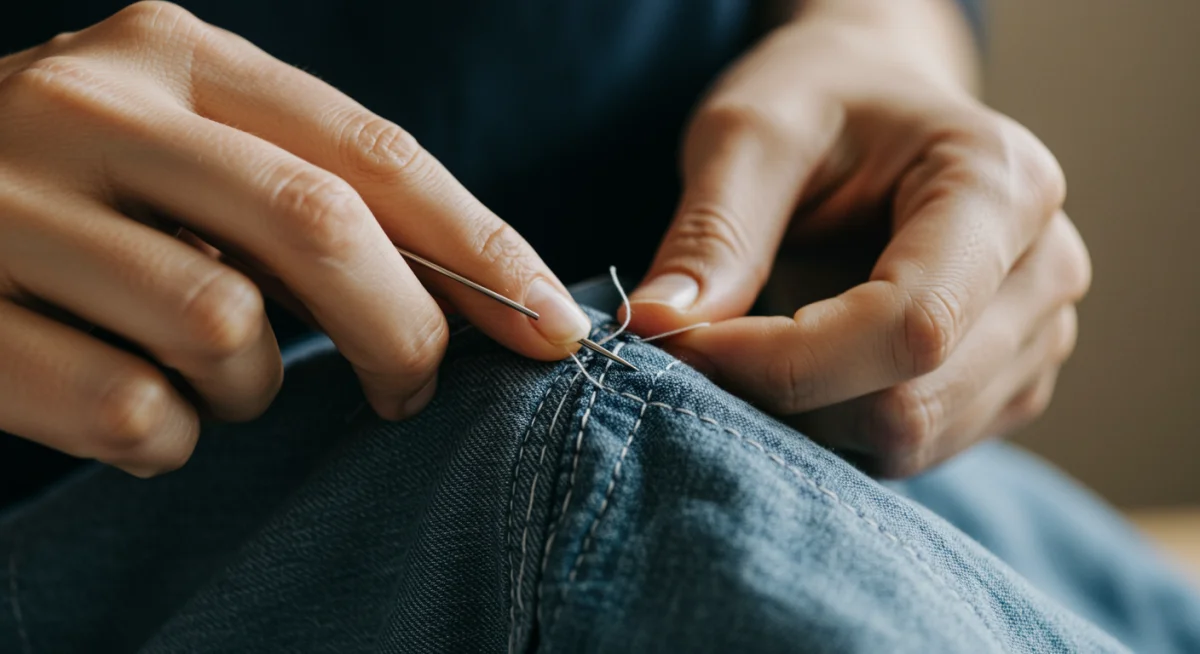
Before considering a new purchase, look inward at your current wardrobe and discover the immense potential in repairing and upcycling existing garments. This sustainable practice, gaining significant traction by 2026, is a powerful way to extend the lifespan of your clothes, reduce waste, and save money. Instead of discarding an item due to a minor tear, a missing button, or an outdated style, consider how you can give it a new lease of life. This approach taps into creativity and empowers you to become a more hands-on participant in your fashion choices.
Mending clothes was once a common skill, and it’s making a strong comeback as part of the slow fashion movement. Simple repairs like sewing on buttons, patching holes, or fixing seams can be learned quickly with online tutorials. Beyond basic mending, upcycling involves transforming an old garment into something new and different. An old pair of jeans can become shorts or a tote bag, a large t-shirt can be refashioned into a crop top, or a dress can be dyed a new color. The possibilities are limited only by your imagination.
Creative Mending and Transformation Techniques
Don’t just hide repairs; celebrate them! Visible mending, a Japanese-inspired technique, turns patches and stitches into decorative elements, adding character and a unique story to your clothes. This trend transforms imperfections into features, making each mended item truly one-of-a-kind. For more ambitious projects, consider taking a local workshop or exploring online communities dedicated to garment transformation.
- Visible Mending: Use contrasting threads or patches to make repairs a design statement.
- Dyeing: Refresh faded garments or completely change their color using natural dyes.
- Alterations: Adjust the fit or style of clothes to better suit your preferences or current trends.
- Deconstruction & Reconstruction: Take apart old garments and reassemble them into entirely new designs.
By making repair and upcycling a regular part of your wardrobe maintenance, you not only save money on new purchases but also cultivate a more sustainable and personal relationship with your clothing. Each mended or transformed item tells a story, reflecting your commitment to conscious consumption and creative expression. This swap is a powerful step towards a 15% budget reduction and a truly eco-friendly wardrobe.
Swap 4: Prioritizing Ethical and Transparent Brands
In 2026, making a conscious effort to prioritize ethical and transparent brands is a non-negotiable aspect of sustainable fashion. This swap involves moving away from brands with opaque supply chains and questionable labor practices towards those that openly share their manufacturing processes, uphold fair wages, and ensure safe working conditions. While items from these brands might have a slightly higher upfront cost, their longevity, quality, and positive societal impact often make them a more valuable investment over time, aligning perfectly with your budget reduction goals by minimizing future replacements.
Consumers are more informed than ever, thanks to accessible information and independent rating systems that evaluate brands on their environmental and social performance. Look for certifications and clear statements on a brand’s website regarding their commitment to workers’ rights, sustainable material sourcing, and waste reduction. Supporting these companies sends a strong message to the industry, encouraging more brands to adopt responsible practices.
Key Indicators of Ethical Brand Practices
Navigating the claims of sustainability can be complex, but several key indicators can help you identify truly ethical and transparent brands. Beyond marketing jargon, look for verifiable evidence of their commitments. This includes specific certifications, detailed reports, and clear communication about their suppliers and factories. Ethical brands are proud to share their journey and are often transparent about their challenges as well as their successes.
- Certifications: Look for GOTS (Global Organic Textile Standard), Fair Trade Certified, B Corp, and OEKO-TEX.
- Supply Chain Transparency: Brands that openly disclose their factory locations and material sources.
- Fair Labor Practices: Commitment to living wages, safe working conditions, and no child labor.
- Environmental Impact Reports: Publicly available data on water usage, carbon emissions, and waste management.
By consciously choosing to support brands that align with your values, you contribute to a more just and sustainable fashion industry. This swap is about making informed purchasing decisions that reflect your commitment to ethical consumption, ultimately leading to a wardrobe you can wear with pride and a budget that benefits from fewer, more thoughtful acquisitions.
Swap 5: Adopting a Capsule Wardrobe Philosophy
The capsule wardrobe concept, long championed by minimalists, has become a mainstream sustainable fashion strategy by 2026, offering an elegant solution for both style and budget reduction. This swap involves curating a limited collection of versatile, interchangeable clothing pieces that can be mixed and matched to create numerous outfits. The philosophy emphasizes quality over quantity, focusing on timeless pieces that reflect your personal style rather than chasing fleeting trends. By intentionally limiting your wardrobe, you reduce impulse purchases and maximize the utility of every item you own.
Building a capsule wardrobe encourages thoughtful selection. Each piece must earn its place, chosen for its versatility, comfort, and ability to complement other items. This process naturally leads to investing in better-quality garments (as discussed in Swap 2) that will last longer and serve multiple purposes. The result is a highly functional, cohesive wardrobe that eliminates decision fatigue and ensures you always have something stylish to wear, all while significantly cutting down on clothing expenditure.
Steps to Building Your Effective Capsule Wardrobe
Creating a capsule wardrobe doesn’t mean sacrificing style; it means refining it. Start by assessing your current wardrobe, identifying pieces you love, wear often, and that suit your lifestyle. Then, consider your color palette, choosing a few core colors that work well together, complemented by a couple of accent colors. The key is to select items that can transition easily between different occasions and seasons with minimal effort.
- Declutter Your Closet: Remove items that don’t fit, are damaged beyond repair, or haven’t been worn in a year.
- Define Your Style & Needs: Understand your personal aesthetic and the practical requirements of your daily life.
- Choose a Core Color Palette: Select versatile neutrals (black, white, gray, navy, beige) and 1-2 accent colors.
- Invest in Versatile Staples: Focus on high-quality tops, bottoms, outerwear, and shoes that mix and match easily.
Implementing a capsule wardrobe not only simplifies your life but also provides significant financial benefits, contributing directly to your 15% budget reduction goal. By consciously curating your clothing collection, you develop a more intentional approach to fashion, appreciating each piece for its function and form, and ultimately fostering a more sustainable lifestyle.
Swap 6: Exploring Clothing Rental and Swapping Services
For those who love variety but are committed to sustainable fashion and budget reduction, exploring clothing rental and swapping services is an increasingly popular and viable option in 2026. This innovative swap allows you to access a diverse range of garments, from everyday wear to special occasion outfits, without the commitment or cost of ownership. It’s a perfect solution for experimenting with new styles, wearing designer pieces for events, or simply refreshing your look without contributing to textile waste or overspending.
Clothing rental platforms operate on a subscription model or per-item basis, providing access to a rotating wardrobe. This means you can wear a garment for a specific period and then return it, allowing someone else to enjoy it. Clothing swaps, on the other hand, are community-driven events or online platforms where individuals exchange their unwanted but still wearable clothes with others. Both methods effectively extend the life of garments and promote a more circular fashion economy, directly supporting your goal of a 15% budget reduction.
Benefits of Rental and Swapping for Your Wardrobe
Beyond the obvious financial savings, engaging with rental and swapping services offers several advantages. It provides an opportunity to try out trends without committing to a purchase, reducing the risk of buyer’s remorse and unworn items. It also helps declutter your personal wardrobe, as you’re less likely to accumulate items you’ll only wear once or twice. Furthermore, it fosters a sense of community and shared resources, which is a core tenet of sustainable living.
- Cost-Effective Access: Enjoy premium or trendy clothing at a fraction of the retail price.
- Reduced Waste: Keeps garments in circulation longer, minimizing landfill contribution.
- Wardrobe Variety: Constantly refresh your style without purchasing new items.
- Experimentation: Try new looks and brands without long-term commitment.
Integrating clothing rental and swapping into your fashion routine is a smart, forward-thinking move for 2026. It allows for dynamic style expression while adhering to strict sustainability principles and achieving significant savings. This swap is ideal for anyone looking to balance their love for fashion with their commitment to a greener planet and a leaner budget.
Swap 7: Prioritizing Natural and Innovative Eco-Fabrics
The final crucial swap for a sustainable wardrobe in 2026 involves a conscious shift towards prioritizing natural and innovative eco-fabrics. The materials our clothes are made from have a profound impact on the environment, from cultivation and production to disposal. By choosing fabrics that are responsibly sourced, renewable, biodegradable, or made from recycled content, you significantly reduce your ecological footprint and support a greener textile industry. This choice also often leads to more durable and comfortable garments, aligning with your long-term budget reduction goals by minimizing the need for replacements.
Gone are the days when eco-fabrics meant rough, unstylish options. By 2026, material science has advanced to offer a wide array of high-performance, aesthetically pleasing sustainable textiles. These include not only classic natural fibers like organic cotton and linen but also cutting-edge innovations such as Tencel (lyocell), derived from sustainably harvested wood pulp, and Pinatex, a leather alternative made from pineapple leaf fibers. Understanding these options empowers you to make informed decisions that benefit both your style and the planet.
Key Eco-Friendly Fabric Choices for 2026
When shopping for new items (after exhausting other sustainable swaps), make it a priority to check fabric labels. Look for certifications that guarantee sustainable sourcing and ethical production. Each fabric has its unique properties and environmental benefits, so choosing based on both performance and sustainability is key. The industry continues to innovate, so staying informed about new material developments is also beneficial.
- Organic Cotton: Grown without harmful pesticides or synthetic fertilizers, using less water than conventional cotton.
- Linen & Hemp: Highly durable, require minimal water and pesticides, and are fully biodegradable.
- Tencel (Lyocell): Made from sustainably harvested eucalyptus, using a closed-loop production process that recycles solvents.
- Recycled Materials: Polyester and nylon made from post-consumer waste like plastic bottles and fishing nets.
- Innovative Bio-Fabrics: Materials like Pinatex (pineapple leather), mushroom leather, and algae-based textiles.
By making a conscious effort to select garments made from these natural and innovative eco-fabrics, you actively support a more responsible textile industry. This swap ensures that the very foundation of your wardrobe is sustainable, contributing to a healthier planet and a more mindful approach to fashion, all while helping you stay within your 15% budget reduction target.
| Sustainable Swap | Budget & Eco Benefit |
|---|---|
| Secondhand & Vintage | Significant savings, reduces new production demand. |
| Durable Basics | Long-term savings, fewer replacements, less waste. |
| Repair & Upcycle | Extends garment life, zero cost for ‘new’ items. |
| Eco-Fabrics | Supports responsible industry, higher quality, lasts longer. |
Frequently Asked Questions About Sustainable Fashion in 2026
The primary goal is to minimize environmental impact and promote social equity throughout the entire clothing lifecycle. This includes reducing waste, conserving resources, ensuring fair labor practices, and fostering a circular economy where garments are designed for longevity and recyclability.
Begin by exploring secondhand options, utilizing clothing swaps, and focusing on repairing what you already own. These methods are highly cost-effective and immediately reduce your reliance on new production. Gradually, invest in durable basics made from eco-friendly materials.
Yes, generally eco-friendly fabrics like organic cotton, Tencel, and recycled synthetics have a significantly lower environmental footprint. They often require less water, fewer pesticides, and produce less pollution compared to conventional alternatives. Certifications help verify these claims.
Technology is crucial, enabling innovations in material science (e.g., bio-engineered fabrics), supply chain transparency through blockchain, and advanced recycling processes. It helps consumers make informed choices and allows brands to implement more sustainable and ethical practices.
Absolutely. A capsule wardrobe encourages intentional purchasing of versatile, high-quality items, reducing impulse buys and the need for frequent replacements. By maximizing the use of fewer pieces, you naturally spend less on clothing over time and prevent unworn items from accumulating.
Conclusion
Embracing sustainable fashion in 2026 is far more than a passing trend; it’s a strategic and ethical choice that benefits both the planet and your personal finances. By integrating these seven eco-friendly style swaps into your wardrobe — from embracing secondhand treasures to prioritizing ethical brands and repairing your garments — you can significantly reduce your environmental impact while achieving a remarkable 15% budget reduction. This guide demonstrates that stylish, responsible living is not only achievable but also deeply rewarding, fostering a more mindful and impactful relationship with your clothing choices. The future of fashion is sustainable, accessible, and within your reach.